
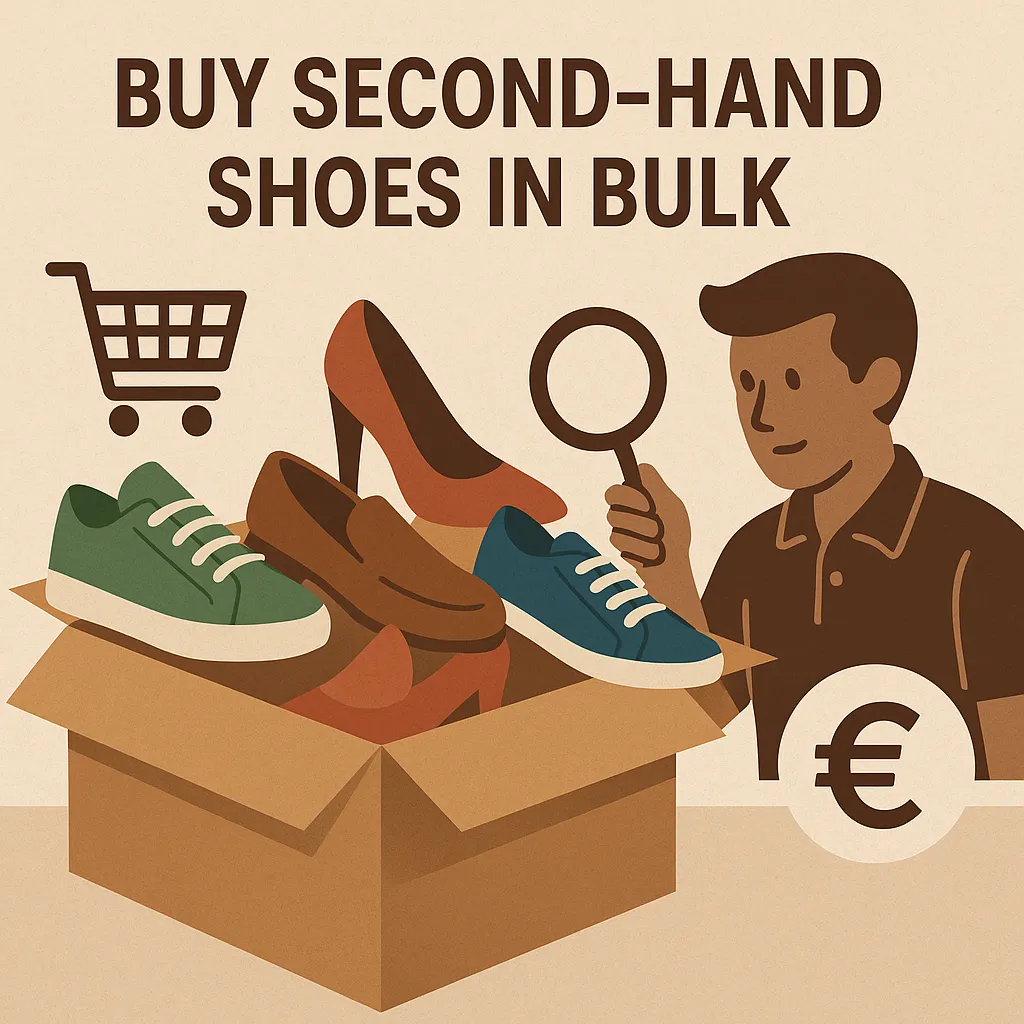
Buy Second Hand Shoes in Bulk for Your Retail Business
For retailers looking to reduce costs while offering unique products, the option to buy second hand shoes in bulk presents an appealing opportunity. This approach not only helps in sourcing quality footwear at lower prices but also aligns with sustainable practices, appealing to eco-conscious consumers. The demand for second hand shoes has surged in recent years, driven by a growing awareness of environmental issues and the desire for unique, vintage styles. By tapping into this market, retailers can enhance their product offerings while minimizing their ecological footprint. In this article, we will delve into the best strategies for sourcing second hand shoes in bulk, the advantages of doing so, and tips to ensure a successful acquisition process.
The Benefits of Buying Second Hand Shoes in Bulk
Buying second hand shoes in bulk comes with numerous benefits that can significantly impact a retailer's bottom line. First and foremost, the cost savings are substantial. Bulk purchasing often allows retailers to negotiate better prices, thus maximizing profit margins. Additionally, these shoes appeal to a wide range of consumers, from budget-conscious buyers to those seeking unique fashion statements. This diversity in appeal not only broadens the customer base but also enhances the store's reputation as a go-to source for affordable and stylish footwear. Furthermore, the eco-friendly nature of second hand shopping attracts a growing segment of environmentally-conscious consumers, allowing retailers to position themselves as sustainability advocates. The ability to offer one-of-a-kind items also helps differentiate retailers from larger, mass-market competitors, creating a niche market that can be highly lucrative.
How to Source Second Hand Shoes in Bulk
When it comes to sourcing second hand shoes in bulk, retailers have several avenues to explore. One effective method is to establish relationships with thrift stores and consignment shops that may be willing to sell their excess inventory in larger quantities. Online platforms such as eBay and specialized wholesale websites also provide access to bulk second hand footwear. Additionally, attending liquidation sales or auctions can yield substantial finds, as retailers can acquire a large volume of inventory at significantly reduced prices. Moreover, networking within the industry can open doors to exclusive deals and partnerships that are not readily advertised. Retailers should also stay updated on seasonal trends, as this knowledge can guide purchasing decisions, ensuring they acquire styles that will be in demand when they hit the sales floor.
Quality Control and Inspection
Quality control is paramount when buying second hand shoes in bulk. Retailers must develop a thorough inspection process to ensure that the footwear meets their quality standards before being sold to customers. This involves checking for any signs of wear, damage, or defects that could affect the product's usability or appeal. Implementing a standardized checklist can streamline this process, allowing staff to efficiently assess each pair of shoes. It is also advisable to clean and refurbish shoes where necessary to enhance their presentation and value. By prioritizing quality, retailers not only reduce the risk of customer returns but also bolster their brand's reputation for selling reliable and stylish footwear. The effort invested in ensuring quality will ultimately translate to customer satisfaction and repeat business.
Marketing Strategies for Second Hand Shoes
Once the second hand shoes are acquired and quality-checked, effective marketing strategies are essential to attract customers. Utilizing social media platforms can significantly enhance visibility; showcasing unique pieces through engaging posts and stories can create buzz around the store. Collaborations with influencers or local fashion bloggers can also help widen exposure and tap into different customer demographics. Additionally, in-store promotions and themed events can drive foot traffic and create a lively shopping atmosphere, encouraging customers to explore the second hand offerings. Retailers should also leverage email marketing campaigns to notify subscribers about new arrivals and special promotions, incentivizing them to visit the store. An authentic narrative about the sustainability and uniqueness of second hand shoes can resonate with consumers, further encouraging them to make a purchase.
Customer Education and Engagement
Educating customers about the benefits of buying second hand shoes is another vital aspect of the marketing strategy. Informational signage in-store, alongside blog posts on the retailer's website, can provide insights into the environmental advantages of choosing second hand over new products. Hosting workshops or discussions surrounding sustainable fashion can also engage customers, fostering a community around eco-friendly practices. By making the shopping experience informative and interactive, retailers can cultivate customer loyalty and encourage word-of-mouth referrals. Engaging customers in this way not only enhances their shopping experience but also positions the retailer as a thought leader in the sustainable fashion movement, further solidifying their brand identity.
Conclusion
In conclusion, the opportunity to buy second hand shoes in bulk offers retail businesses a strategic advantage in today's marketplace. By focusing on sourcing quality footwear, implementing effective marketing strategies, and educating customers on the benefits of sustainability, retailers can successfully tap into this growing market. The unique nature of second hand shoes not only enriches product offerings but also aligns with the values of an increasing number of consumers who prioritize environmental conscientiousness. Embracing this trend can drive sales and create lasting customer relationships, ultimately contributing to the success and longevity of the business. For more insights and tips on second hand retailing, feel free to explore our blog or contact us for assistance.
FAQ
Where can I buy second hand shoes in bulk?
Buying second hand shoes in bulk can be done through various channels such as thrift stores, consignment shops, and online wholesale platforms. Establishing relationships with local thrift stores for bulk purchases can lead to exclusive deals. Additionally, auctions and liquidation sales often present opportunities to acquire large quantities of footwear at discounted prices. Online sources such as eBay and specialized wholesale websites also provide access to bulk second hand shoes. Networking within the fashion and retail industry can uncover additional sourcing opportunities, enhancing your inventory while minimizing costs.
What are the advantages of buying second hand shoes?
The advantages of buying second hand shoes are numerous. Firstly, it significantly reduces costs, allowing retailers to negotiate better prices when purchasing in bulk. Secondly, it appeals to a wide consumer base, from those looking for budget-friendly options to fashion enthusiasts seeking unique styles. Additionally, purchasing second hand footwear aligns with sustainable practices, attracting environmentally-conscious customers. This not only enhances a retailer's reputation but also creates a niche market that can be highly profitable. Overall, the benefits extend beyond financial savings, promoting a sustainable retail approach that resonates with modern consumers.
How can I ensure quality when purchasing second hand shoes?
To ensure quality when purchasing second hand shoes, retailers should implement a comprehensive inspection process. This includes checking for signs of wear, damage, and defects that could impact the usability or appeal of the shoes. Developing a standardized checklist can streamline this process, making it easier for staff to assess each item effectively. Cleaning and refurbishing shoes where necessary can enhance their presentation and value. By prioritizing quality control, retailers can reduce the risk of customer returns and strengthen their brand’s reputation for selling reliable, stylish footwear.
What marketing strategies work best for second hand shoes?
Effective marketing strategies for second hand shoes include utilizing social media to showcase unique pieces and engage with potential customers. Collaborating with influencers or fashion bloggers can amplify visibility and attract diverse demographics. In-store promotions and themed events can create an inviting shopping atmosphere, encouraging exploration of second hand offerings. Email marketing campaigns can keep subscribers informed about new arrivals and special offers. Additionally, sharing the narrative of sustainability and uniqueness of second hand shoes resonates with consumers, enhancing their shopping experience and driving sales.
How can I educate customers about the benefits of second hand shoes?
Educating customers about the benefits of second hand shoes can be achieved through various means. Informational signage in-store, alongside blog posts on the retailer's website, can highlight the environmental advantages of choosing second hand over new products. Hosting workshops or discussions focused on sustainable fashion engages customers and fosters a community centered around eco-friendly practices. By making the shopping experience informative and interactive, retailers can cultivate customer loyalty and encourage word-of-mouth referrals, reinforcing their commitment to sustainability and enhancing their brand identity.