Discover Italy’s Secondhand Fashion Scene: A Hidden Gem
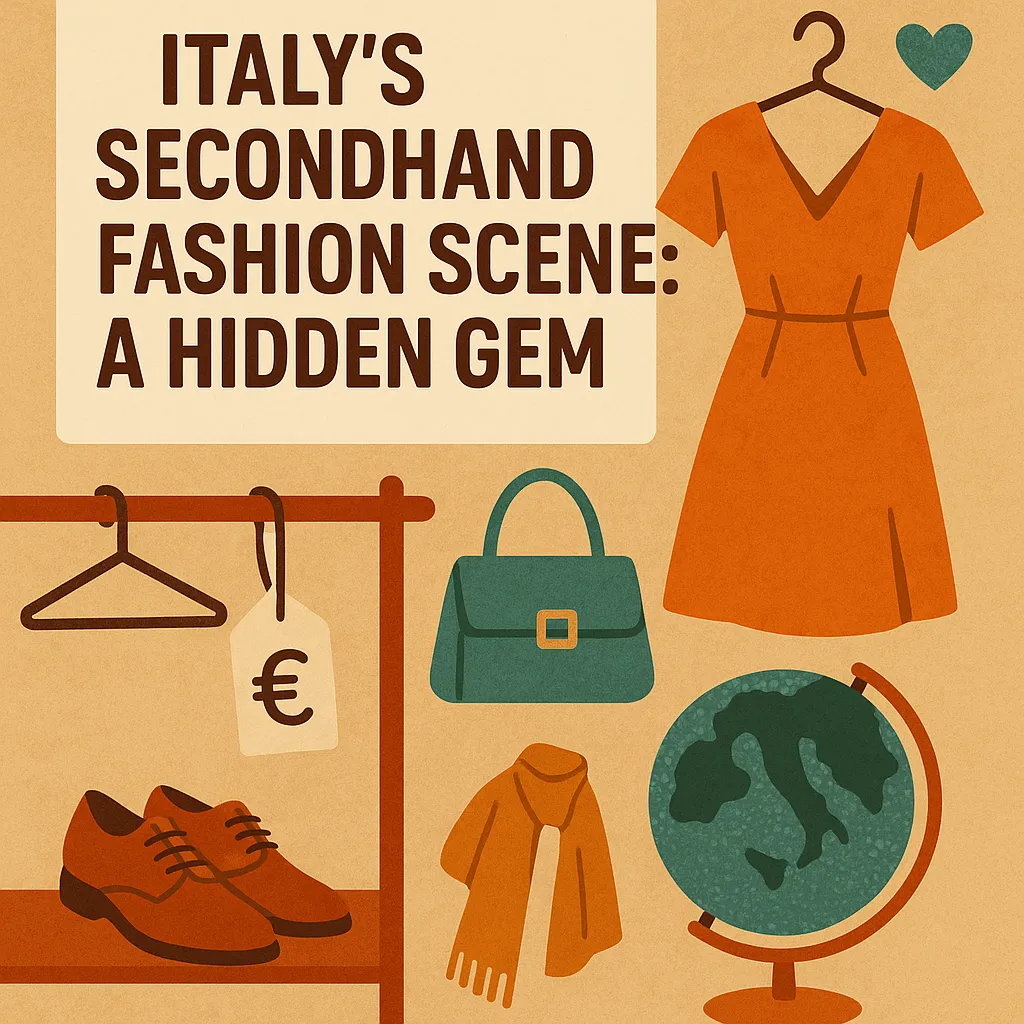
Italy’s secondhand fashion scene: a hidden gem that is gaining traction among fashion enthusiasts and eco-conscious consumers alike. The allure of vintage clothing, unique pieces that tell stories, and the thrill of the hunt make secondhand shopping an experience like no other. As sustainability becomes a core value for many, shoppers are increasingly turning to thrift stores, consignment shops, and online platforms to find one-of-a-kind pieces that are both stylish and environmentally friendly. Italy, with its rich history in fashion design and craftsmanship, provides a unique backdrop for this burgeoning trend. In cities like Milan, Florence, and Rome, secondhand shops are not just stores—they are destinations, each filled with treasures waiting to be discovered. Shoppers can find everything from high-end designer items to quirky, retro clothing, all while supporting a more sustainable fashion economy.
Why Secondhand Fashion is Thriving in Italy
The rise of Italy’s secondhand fashion scene can be attributed to various cultural and economic factors. Italians have a deep-rooted appreciation for style, and secondhand shops offer a chance to access luxury brands at a fraction of their original prices. The economic climate has made consumers more price-conscious, encouraging them to explore thrift stores as a viable alternative to fast fashion retailers. Furthermore, the growing awareness of environmental issues has shifted consumer focus towards sustainability. Many are recognizing the detrimental impact of fast fashion on our planet, leading them to embrace secondhand shopping as a more ethical choice. Additionally, the Italian government has begun promoting sustainable practices, making it easier for secondhand businesses to thrive. This combination of fashion consciousness and a commitment to sustainability has solidified the place of secondhand fashion in Italy's retail landscape, making it a fascinating trend to observe.
Exploring Major Cities: Milan, Florence, and Rome
Each major city in Italy has its own unique spin on the secondhand fashion scene, contributing to a rich tapestry of options for shoppers. Milan, known as the fashion capital, hosts an array of high-end consignment boutiques where luxury items are sold at discounted prices. Here, shoppers can find everything from iconic Gucci handbags to vintage Valentino dresses, allowing them to indulge in high fashion without the hefty price tag. Florence, with its artisanal heritage, offers a more eclectic mix of vintage shops, where treasures from bygone eras come alive. Shoppers can unearth unique leather jackets, handmade jewelry, and retro clothing that reflect the city’s artistic flair. Meanwhile, Rome provides a different experience altogether, with its bustling flea markets and thrift stores that showcase a combination of chic and quirky styles. Each city not only offers unique shopping experiences but also reflects the local culture and history, making each visit an adventure in style.
The Benefits of Shopping Secondhand
Shopping secondhand carries numerous benefits beyond just saving money. One of the most significant advantages is sustainability. By purchasing pre-owned items, consumers actively participate in reducing waste, minimizing the demand for new products, and supporting a circular economy. This practice extends the life cycle of clothing, which is crucial in combating the environmental impact of fashion. Additionally, secondhand shopping promotes individuality. In a world dominated by fast fashion, where trends come and go at lightning speed, finding unique pieces allows shoppers to express their personal style and stand out from the crowd. Furthermore, many secondhand stores curate their collections with care, often inspecting and restoring items to ensure quality. This means that shoppers can discover well-made, long-lasting pieces that are often better constructed than their fast fashion counterparts. Lastly, shopping secondhand can foster a sense of community, as many stores are locally owned and operated, creating a connection between consumers and their neighborhoods.
How to Navigate Italy’s Secondhand Market
Navigating Italy’s secondhand market can be an enriching experience if approached with the right mindset and strategy. First, it’s essential to research local shops before setting out on your shopping adventure. Websites and social media platforms are excellent resources for finding popular thrift stores and hidden gems. Many stores have online presences that showcase their inventory, making it easier to find what you’re looking for. When visiting physical stores, take your time to browse; the thrill of discovery often lies in the unexpected finds. Be open-minded about what you might uncover; a piece that doesn’t initially catch your eye may turn out to be a statement item once styled correctly. Additionally, don't hesitate to ask shop owners or staff for recommendations; they often have valuable insights into their offerings and can guide you to the best pieces. Finally, consider timing your visits around seasonal sales or special events, which can lead to incredible bargains on unique items.
Online Platforms and Their Rising Popularity
With the advent of technology, online platforms have played a significant role in the growth of Italy’s secondhand fashion scene. Websites specializing in vintage and secondhand clothing, such as Depop and Vestiaire Collective, have gained immense popularity, allowing users to buy and sell items from the comfort of their homes. This convenience has attracted a younger demographic eager to embrace sustainable fashion without sacrificing style. These platforms often feature user-friendly interfaces, making browsing and purchasing easy and enjoyable. Additionally, social media platforms like Instagram have become vital for promoting secondhand fashion, with influencers showcasing their thrifted finds and inspiring their followers to shop sustainably. Online shopping also broadens the selection available to consumers, as they can access items from all over Italy, and even beyond, expanding their options significantly. The fusion of technology and fashion has opened up new avenues for secondhand shopping, making it more accessible and appealing to a wider audience.
Challenges Facing the Secondhand Market
Despite its many benefits, Italy’s secondhand fashion scene faces several challenges that can hinder its growth. One significant issue is the perception surrounding secondhand items—some consumers still associate them with inferior quality or stigma. Overcoming this mindset requires increased awareness and education about the benefits of secondhand shopping, emphasizing the unique qualities and stories behind each piece. Additionally, competition from fast fashion retailers poses a challenge, as they often offer new items at low prices, making it difficult for secondhand stores to compete. Adapting to this competition involves curating collections that appeal to consumers’ desires for exclusivity and quality. Moreover, the ongoing impact of the COVID-19 pandemic has changed shopping habits, with many opting for online purchases over in-store experiences. While this shift has benefited some online secondhand platforms, brick-and-mortar stores must adapt to these changes to remain relevant. Addressing these challenges will be crucial for the continued success of Italy’s secondhand fashion scene.
The Future of Secondhand Fashion in Italy
The future of secondhand fashion in Italy looks promising, with a growing commitment to sustainability and a shift in consumer attitudes. As more people become aware of the environmental impact of fast fashion, the demand for secondhand items is expected to rise. The Italian fashion industry is also beginning to embrace this shift, with some designers incorporating vintage elements into their collections or collaborating with secondhand retailers. This fusion of new and old not only preserves the artistry of fashion but also showcases a commitment to sustainability. Furthermore, educational initiatives aimed at raising awareness about sustainable practices will likely encourage a new generation of consumers to explore secondhand shopping. As cities continue to adapt to this trend, the secondhand market will expand, opening new opportunities for entrepreneurs and local businesses. Ultimately, Italy's secondhand fashion scene is set to flourish, cementing its status as a hidden gem within the global fashion landscape.
FAQ
What is Italy’s Secondhand Fashion Scene: A Hidden Gem?
Italy’s secondhand fashion scene: a hidden gem that offers shoppers unique and sustainable fashion choices. This thriving market, fueled by a rich cultural appreciation for style and sustainability, has become a popular alternative to fast fashion. Consumers can explore thrift stores, consignment shops, and online platforms like Depop and Vestiaire Collective, where they can find everything from high-end designer pieces to quirky retro items. The experience of secondhand shopping not only allows for individual expression through fashion but also supports a more sustainable economy, making it an appealing choice for conscious consumers.
What are the benefits of shopping secondhand in Italy?
Shopping secondhand in Italy offers numerous benefits, including sustainability, affordability, and uniqueness. By purchasing pre-owned items, consumers contribute to reducing waste and promoting a circular economy, making a positive impact on the environment. Moreover, secondhand shopping allows individuals to find unique pieces that reflect their personal style, standing out from the mainstream fast fashion crowd. Many secondhand stores also curate their collections, ensuring that shoppers discover high-quality items that are often better made than newer, cheaper alternatives. Overall, it’s a win-win for both the consumer and the environment.
How can I find the best secondhand shops in Italy?
To find the best secondhand shops in Italy, start by researching local thrift stores and consignment boutiques in the cities you plan to visit. Utilize social media platforms and websites that specialize in vintage clothing to discover popular locations and hidden gems. Online reviews and recommendations from locals can also guide you to the best spots. When exploring physical stores, take your time to browse and engage with shop owners, who can provide valuable insights into their offerings and highlight unique pieces worth checking out. Patience and an open mind are key to uncovering fantastic finds.
Are there online platforms for secondhand shopping in Italy?
Yes, several online platforms cater to secondhand shopping in Italy, making it easier for consumers to find unique items from the comfort of their homes. Websites like Depop and Vestiaire Collective have gained popularity for their user-friendly interfaces and diverse selections of vintage and secondhand clothing. Social media platforms such as Instagram also play a significant role in promoting secondhand fashion, with influencers showcasing their thrifted finds and encouraging sustainable shopping. These online avenues have expanded access to secondhand items, allowing consumers to explore a broader range of options across Italy and beyond.
What challenges does the secondhand market face in Italy?
The secondhand market in Italy faces several challenges, including consumer perceptions and competition from fast fashion retailers. Some individuals still associate secondhand items with poor quality or stigma, making it essential to raise awareness about the benefits and unique qualities of these pieces. Additionally, fast fashion brands often present a challenge due to their low prices and constant turnover of new items, making it difficult for secondhand stores to compete. The COVID-19 pandemic has also altered shopping habits, with many consumers opting for online purchases, which poses challenges for brick-and-mortar stores. Addressing these issues is crucial for the growth of Italy's secondhand fashion scene.
What does the future hold for secondhand fashion in Italy?
The future of secondhand fashion in Italy looks bright, as consumer interest in sustainability continues to grow. Increased awareness of the environmental impact of fast fashion is leading more shoppers to seek out secondhand options, which will likely drive demand in the coming years. The fashion industry is also beginning to embrace this shift, with designers incorporating vintage elements into their collections and collaborating with secondhand retailers. Educational initiatives aimed at promoting sustainable practices will encourage a new generation of consumers to explore this market, ultimately solidifying Italy's secondhand fashion scene as an essential part of the global fashion landscape.