Discover Second Hand Clothes Wholesale Europe
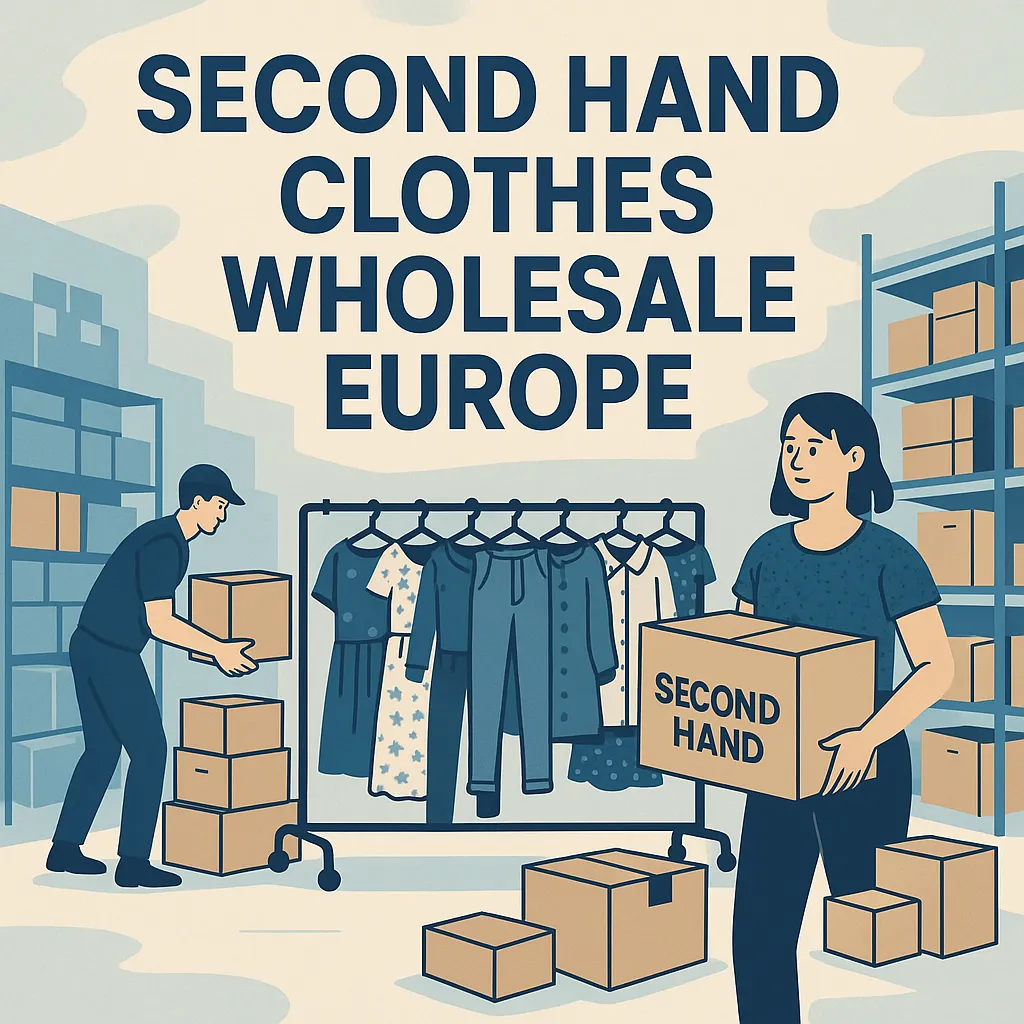
Second hand clothes wholesale Europe offers a unique opportunity for businesses and individuals looking to access a vast array of quality garments at affordable prices. The growing trend towards sustainability and ethical fashion has made the second-hand clothing market increasingly popular. By choosing wholesale, you can stock your store with a rich selection of stylish apparel while also supporting eco-friendly practices. This market not only promotes circular fashion but also allows consumers to enjoy premium products at a fraction of the retail cost. From vintage treasures to contemporary styles, second-hand clothes wholesale in Europe provides an unparalleled shopping experience that combines quality, affordability, and sustainability.
Understanding the Second Hand Clothing Market
The second-hand clothing market in Europe has evolved significantly over the past few decades. With increased awareness about the environmental impact of fast fashion, consumers are more inclined to seek sustainable alternatives. This shift has led to a surge in demand for second-hand clothes, prompting businesses to explore wholesale options. By tapping into the wholesale market, retailers can meet consumer demands while also contributing to a more sustainable fashion ecosystem. Many wholesalers specialize in sourcing high-quality second-hand garments, ensuring that retailers can stock their shelves with items that appeal to environmentally conscious shoppers. The market is diverse, catering to various styles, sizes, and demographics, making it an attractive option for anyone looking to enter the fashion industry.
The Benefits of Buying Second Hand Clothes Wholesale
Purchasing second-hand clothes wholesale comes with numerous advantages that can significantly impact your business's bottom line. First and foremost, the cost savings are substantial. Wholesale prices for second-hand garments are often considerably lower than new clothing, enabling retailers to enjoy higher profit margins. Additionally, by offering unique pieces that cannot be found in mainstream stores, businesses can differentiate themselves in a crowded marketplace. Moreover, many consumers today are willing to pay a premium for sustainable products, which means that retailers can charge competitive prices without alienating their customer base. This unique blend of affordability and exclusivity can lead to increased customer loyalty, as shoppers appreciate the effort to provide them with sustainable options while supporting their local economy.
Where to Source Second Hand Clothes Wholesale in Europe
Finding reliable sources for second-hand clothes wholesale in Europe can be daunting, especially for newcomers in the industry. However, there are several reputable wholesalers and distributors known for their quality and variety. Many of these companies have established robust supply chains that allow them to curate collections tailored to the tastes of modern consumers. Attending trade shows or fashion expos can also provide valuable networking opportunities, connecting retailers with wholesalers looking to expand their reach. Online platforms dedicated to second-hand goods are another excellent resource, offering an array of options from various suppliers across Europe. By doing thorough research and building relationships with trusted wholesalers, retailers can ensure a steady supply of quality second-hand clothing that meets market demand.
Marketing Your Second Hand Clothing Business
Once you have sourced your second-hand clothes wholesale in Europe, the next step is to effectively market your business. Establishing a strong online presence is crucial in today's digital age. Utilizing social media platforms, such as Instagram and Facebook, can help you reach a broader audience and showcase your unique inventory. Creating engaging content that highlights the stories behind each garment can resonate with consumers and foster a deeper connection to your brand. Additionally, consider collaborating with influencers or sustainability advocates to amplify your message. Offline marketing strategies, such as participating in local markets or pop-up shops, can also provide visibility and attract potential customers. By combining online and offline marketing efforts, you can create a comprehensive strategy that drives sales and builds brand awareness.
Challenges in the Second Hand Clothing Sector
While the second-hand clothing market presents numerous opportunities, it is not without its challenges. One of the primary concerns is the inconsistency in quality and sizing, which can vary significantly from one batch to another. Retailers must be diligent in assessing the condition of garments before making purchases to ensure that they are providing high-quality items to their customers. Furthermore, the perception of second-hand clothing can still be a hurdle for some consumers, who may associate it with lower status or poorer quality. Educating your audience on the benefits of second-hand fashion and promoting the sustainability aspect can help shift these perceptions. Additionally, competition is fierce within the second-hand market, with many retailers vying for the same consumer base. Establishing a unique selling proposition and focusing on niche markets can help differentiate your business from competitors.
Regulations and Standards in Europe
In Europe, the second-hand clothing industry is subject to various regulations and standards aimed at ensuring quality and consumer safety. Retailers must be aware of these regulations, which can vary by country, to avoid legal complications. Compliance with labeling requirements, for instance, is essential, as consumers should be informed about the nature of the products they are purchasing. Additionally, adhering to sustainability standards can enhance your brand's credibility and appeal to eco-conscious consumers. Many wholesalers also comply with specific regulations, ensuring that their products meet safety and quality benchmarks. By aligning your business practices with these regulations, you can build trust with your customers and position your brand as a responsible player in the second-hand clothing market.
Building Relationships with Suppliers
Establishing strong relationships with suppliers is vital in the second-hand clothing wholesale business. Reliable suppliers can provide a consistent stream of quality products, ensuring that your inventory remains fresh and appealing to customers. Maintaining open lines of communication with your suppliers allows you to express your needs and preferences, which can lead to better deals and exclusive offerings. Networking within industry circles can also help you discover new suppliers and expand your options. Additionally, participating in industry events or joining trade associations can enhance your credibility and create opportunities for collaboration. Building a reputation as a trustworthy partner can foster loyalty among suppliers and create a mutually beneficial relationship that supports your business's growth.
Future Trends in Second Hand Clothing
The future of the second-hand clothing market looks promising, with several trends emerging that are likely to shape the industry. As awareness of environmental issues grows, more consumers are prioritizing sustainability in their purchasing decisions. This shift is expected to drive further demand for second-hand garments, making it an attractive option for both retailers and consumers. Technological innovations, such as online resale platforms and mobile apps, are also transforming how second-hand clothing is bought and sold, making it more accessible than ever. Additionally, the rise of upcycling and customization is encouraging consumers to see second-hand clothing as a canvas for creativity, rather than simply a cost-saving measure. Retailers who adapt to these trends and embrace innovation will position themselves favorably in a rapidly evolving market.
Tips for Success in the Wholesale Market
To thrive in the second-hand clothes wholesale Europe market, businesses must adopt effective strategies that resonate with consumers while ensuring profitability. First and foremost, developing a strong brand identity is essential. Your brand should convey your values, whether it's sustainability, affordability, or unique style. Additionally, implementing a robust inventory management system can help you track sales trends and customer preferences, allowing you to make data-driven decisions. Emphasizing customer service can also set your business apart. Providing personalized shopping experiences and responding promptly to customer inquiries can build loyalty and encourage repeat purchases. Finally, staying informed about market trends and consumer behavior can help you adapt your business model to meet evolving demands, ensuring long-term success in the competitive wholesale landscape.
Utilizing Online Platforms for Sales
Leveraging online platforms for sales is crucial in today's retail environment. Establishing an e-commerce website can help you reach a broader audience and facilitate convenient purchasing options for consumers. Additionally, utilizing online marketplaces dedicated to second-hand goods can provide exposure to new customers. Building a user-friendly website with high-quality images and detailed product descriptions can enhance the shopping experience and encourage conversions. Implementing SEO strategies, such as optimizing your site for keywords related to second-hand clothes wholesale Europe, can improve your visibility on search engines, driving organic traffic to your site. Social media platforms also serve as powerful marketing tools, allowing you to showcase your inventory and engage with your audience in real-time. By embracing online sales channels, you can significantly expand your reach and boost your sales potential.
Creating Community Engagement
Engaging with your community can play a pivotal role in the success of your second-hand clothing business. Hosting events, such as clothing swaps or workshops on sustainable fashion, can foster a sense of community and promote your brand values. Collaborating with local influencers or organizations can also help amplify your message and attract new customers. Additionally, encouraging customer feedback and reviews can provide valuable insights into your offerings while building trust with potential buyers. By creating an inclusive and interactive community around your brand, you can cultivate loyalty and establish a strong presence in the second-hand clothing market. The relationships you build with your customers and community can lead to word-of-mouth referrals, driving growth and enhancing your brand's reputation.
Evaluating Your Performance
Regularly evaluating your business performance is essential to ensure that you are meeting your goals and adapting to market changes. Key performance indicators (KPIs), such as sales growth, customer retention rates, and inventory turnover, can provide insights into your operations and identify areas for improvement. Analyzing customer feedback and sales data can also reveal trends and preferences that can inform your purchasing decisions. Being proactive in monitoring your performance allows you to pivot your strategy as needed, ensuring that you remain competitive in the ever-evolving second-hand clothing market. By committing to continuous improvement and adapting your approach based on data-driven insights, you can enhance your business's resilience and long-term success.
FAQ
What is second hand clothes wholesale Europe?
Second hand clothes wholesale Europe refers to the bulk purchase of used clothing from various European suppliers, allowing retailers to stock their stores with affordable, quality garments. This market has seen significant growth due to rising consumer awareness about sustainability and ethical fashion. Many wholesalers source second-hand clothing from charitable organizations, overstocks, and unsold inventory, ensuring a diverse selection of styles and sizes. By tapping into this market, businesses can offer unique, eco-friendly options at competitive prices, catering to a growing demographic of environmentally conscious consumers.
Why should I consider second hand clothes for my business?
Choosing second-hand clothes for your business offers several compelling advantages. First, it allows you to tap into the growing market of eco-conscious consumers who prioritize sustainability. Second-hand garments are often available at lower prices than new clothing, enabling you to achieve higher profit margins. Additionally, the uniqueness and character of vintage and second-hand pieces can set your inventory apart from competitors, attracting customers seeking distinctive styles. Lastly, engaging in the second-hand market contributes to reducing waste and promoting a circular economy, aligning your business with ethical practices that resonate with today's consumers.
How do I find reliable suppliers for second hand clothes?
Finding reliable suppliers for second-hand clothes involves thorough research and networking. Begin by exploring online platforms and directories that specialize in second-hand garments. Attending trade shows or industry expos can also connect you with reputable wholesalers and distributors. Building relationships with existing retailers in the second-hand market can provide valuable recommendations for trustworthy suppliers. Additionally, consider reaching out to local charities or organizations that may offer bulk purchasing options for their donations. Establishing strong connections with suppliers will ensure a consistent flow of quality products for your business.
What should I look for when purchasing wholesale second-hand clothes?
When purchasing wholesale second-hand clothes, several factors are crucial to consider. First, assess the quality of the garments, checking for signs of wear and tear, stains, or damage. It’s essential to ensure that the items are in sellable condition and meet your customers' expectations. Additionally, consider the variety and style of clothing available; a diverse inventory can attract a broader customer base. Pay attention to sizing and trends, as these factors can impact sales. Lastly, evaluate the supplier's reputation and reliability to ensure a smooth purchasing process and consistent product quality.
Can I sell second-hand clothes online?
Yes, selling second-hand clothes online is a viable and increasingly popular option. Establishing an e-commerce platform allows you to reach a broader audience and cater to customers who prefer shopping from home. Utilize social media and online marketplaces to showcase your inventory and engage with potential buyers. High-quality images and detailed product descriptions are essential for attracting customers and encouraging purchases. Additionally, implementing effective SEO strategies can improve your visibility on search engines, driving organic traffic to your online store. By embracing online sales, you can significantly expand your reach and grow your customer base.
What are the trends in the second-hand clothing market?
The second-hand clothing market is evolving rapidly, with several trends shaping its future. One notable trend is the increasing consumer preference for sustainable and ethical fashion choices. Many shoppers are seeking unique, vintage pieces that allow them to express their individuality while supporting eco-friendly practices. The rise of online resale platforms and mobile apps is also transforming how second-hand clothing is bought and sold, making it more accessible. Additionally, upcycling and customization are gaining popularity, encouraging consumers to see second-hand clothing as a canvas for creativity. These trends highlight the growing importance of sustainability and individuality in shaping consumer behavior within the second-hand market.