
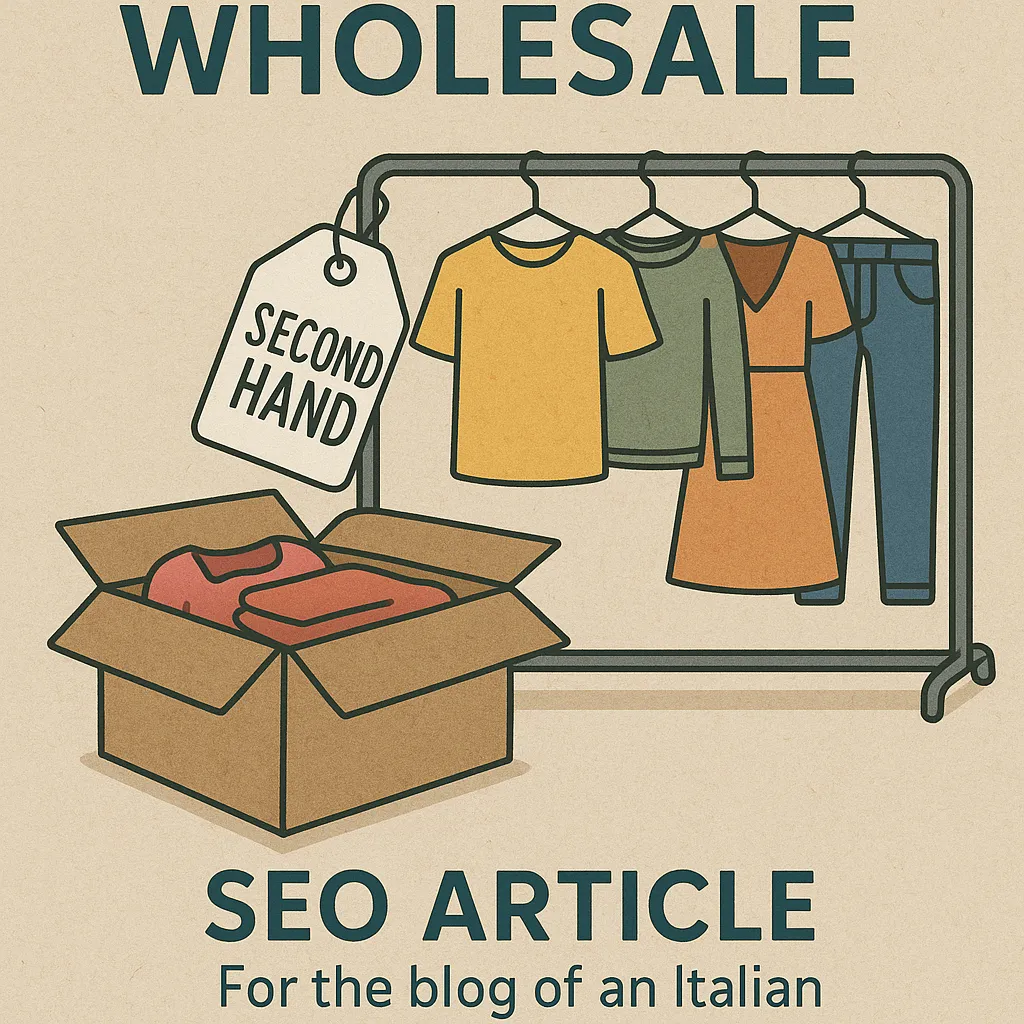
Discover the Benefits of Second Hand Wholesale
The world of second hand wholesale is an exciting and profitable realm that offers a myriad of opportunities for savvy entrepreneurs and bargain hunters alike. Engaging in this market enables business owners to purchase high-quality, gently used items at significantly reduced prices, which can then be resold at competitive rates. The allure of second hand wholesale lies not only in the potential for high profit margins but also in the sustainability aspect, as it promotes recycling and reduces waste. By tapping into this market, you can cater to eco-conscious consumers while establishing a thriving business model that capitalizes on the growing demand for affordable yet stylish options. This article delves into the essential strategies, benefits, and considerations for those looking to enter the realm of second hand wholesale.
The Growing Market for Second Hand Wholesale
As the global economy continues to evolve, the second hand wholesale market has seen a significant surge in popularity. This trend can be attributed to several factors, including the rising awareness of sustainability and the increasing cost of living, which drives consumers to seek more affordable alternatives. Retailers and resellers are capitalizing on this shift by sourcing second hand goods from various channels such as thrift stores, online marketplaces, and direct donations. By understanding market dynamics, resellers can strategically position themselves to meet consumer demand while also contributing to a more sustainable economy. The second hand wholesale sector is not just a passing trend; it is becoming a staple in retail, providing a lucrative avenue for profit while promoting responsible consumption.
Identifying Profitable Niches
To succeed in the second hand wholesale market, it is crucial to identify and focus on profitable niches. This requires thorough market research to understand consumer preferences and demand trends. Some popular niches include vintage clothing, refurbished electronics, and collectible items. By honing in on specific categories, resellers can establish themselves as experts, thereby attracting a loyal customer base. Moreover, niche markets often present less competition, allowing smaller businesses to thrive. Utilizing social media platforms and online marketplaces can also help in reaching targeted audiences effectively. Engaging with potential customers through informative content and compelling visuals can enhance brand recognition and drive sales.
Building Relationships with Suppliers
Establishing strong relationships with suppliers is essential for anyone entering the second hand wholesale market. Reliable suppliers can provide consistent access to quality inventory, which is crucial for maintaining a steady flow of goods for resale. Building rapport with thrift stores, wholesalers, and even individuals looking to declutter can open up numerous sourcing opportunities. Networking within the industry can also lead to valuable partnerships that enhance inventory acquisition. Furthermore, cultivating long-term relationships may lead to better pricing deals and priority access to desirable items. Creating a positive and professional rapport can differentiate your business and set the foundation for long-term success in the competitive landscape of second hand wholesale.
Marketing Strategies for Second Hand Wholesale
Effective marketing strategies are vital for any business, and the second hand wholesale industry is no exception. Harnessing the power of digital marketing can significantly enhance visibility and attract potential buyers. Social media platforms such as Instagram and Facebook are excellent channels for showcasing unique finds and creating an engaging brand presence. Using high-quality images and compelling narratives can capture the interest of consumers and encourage them to explore your offerings. Additionally, search engine optimization (SEO) techniques can help drive organic traffic to your website, ensuring that your second hand wholesale store reaches a broader audience. Incorporating keywords relevant to your niche, such as "affordable vintage clothing" or "refurbished electronics," can improve rankings on search engines.
Creating an Engaging Online Presence
Establishing an engaging online presence is vital for attracting customers in the second hand wholesale business. A well-designed website that reflects your brand's identity and values can set the tone for customer interactions. Including detailed product descriptions, high-resolution images, and customer reviews can enhance trust and encourage potential buyers to make purchases. Additionally, integrating a blog section where you share insights, tips, and trends related to second hand wholesale can position you as an authority in the industry, driving traffic and engagement. Regularly updating your content not only keeps your audience informed but also improves your site's SEO performance, making it easier for customers to discover your business.
Leveraging Customer Relationships
Building strong relationships with customers is essential for long-term success in the second hand wholesale market. Providing excellent customer service can lead to repeat business and positive word-of-mouth referrals. Engaging with customers through personalized emails, social media interactions, and loyalty programs can enhance their shopping experience and foster a sense of community. Listening to customer feedback and continuously improving your offerings based on their preferences can lead to higher satisfaction rates. Additionally, encouraging customers to share their purchases on social media can create organic marketing opportunities, further expanding your reach and visibility within the market.
Challenges and Considerations in Second Hand Wholesale
While the second hand wholesale market presents numerous opportunities, it is not without its challenges. One of the primary concerns is the inconsistency in inventory quality and availability, which can impact sales performance and customer satisfaction. Resellers must be diligent in sourcing reliable suppliers to ensure a steady flow of quality goods. Additionally, pricing strategies must be carefully considered to balance affordability for consumers while maintaining profit margins. Understanding market trends and consumer behavior is crucial for adapting to changes and staying competitive. Moreover, legal considerations such as copyright laws and resale rights should be taken into account to avoid potential issues. By being proactive and informed, resellers can navigate these challenges effectively.
Understanding Legalities and Regulations
Entering the second hand wholesale market requires a clear understanding of the legalities and regulations that govern the resale of goods. This includes familiarizing oneself with copyright laws, trademark regulations, and any state-specific rules that may apply. Additionally, resellers must ensure that they are compliant with consumer protection laws, which are designed to safeguard buyers against fraudulent practices. It is advisable to consult with legal professionals specializing in retail and e-commerce to establish a solid foundation for your business. Being aware of these legal requirements not only protects your business but also builds trust with customers, ensuring a reputable standing in the market.
FAQ
What is second hand wholesale and how does it work?
Second hand wholesale refers to the practice of purchasing used items in bulk from suppliers, such as thrift stores or liquidation sales, to resell them at a profit. This business model allows retailers to acquire high-quality products at significantly lower prices compared to new items. Resellers can then market these goods to consumers seeking affordable alternatives. The process typically involves sourcing, inspecting, and pricing the items before listing them for sale through various channels, including online marketplaces and physical stores. By tapping into this growing market, businesses can cater to a diverse range of customers while promoting sustainability through the resale of pre-owned products.
How can I find reliable suppliers for second hand wholesale?
Finding reliable suppliers for second hand wholesale requires research and networking within the industry. Start by visiting local thrift stores, liquidation sales, and estate sales to establish connections. Additionally, online platforms such as Alibaba or specialized wholesale directories can provide access to a wide range of suppliers. Engaging with community forums or attending trade shows can also yield valuable contacts and insights. Building relationships with suppliers is crucial; maintaining open communication can lead to better pricing and priority access to desirable inventory. By diversifying your sourcing channels, you can ensure a steady flow of quality goods for resale.
What are the benefits of selling second hand items?
Selling second hand items offers numerous benefits, including cost savings, sustainability, and a unique product offering. Consumers are increasingly drawn to affordable alternatives, making second hand goods an attractive option for budget-conscious shoppers. Additionally, promoting the sustainability aspect of second hand items can resonate with eco-conscious consumers who prioritize environmentally friendly choices. Resellers can differentiate themselves by offering unique and vintage products that are not available in conventional retail settings. This creates a niche market where sellers can thrive while contributing to a circular economy by reducing waste and promoting the reuse of goods.
What challenges do second hand wholesale businesses face?
Second hand wholesale businesses encounter several challenges, including inventory inconsistency, pricing strategies, and legal considerations. Sourcing quality items can be unpredictable, leading to fluctuations in stock availability and quality. Establishing competitive pricing while ensuring profitability can be difficult, especially in a market filled with various options. Additionally, understanding and complying with legal regulations surrounding the resale of goods is crucial to avoid potential issues. Being proactive about these challenges by implementing solid sourcing strategies, developing clear pricing guidelines, and staying informed about legal requirements can help mitigate risks and enhance business stability.
How do I effectively market my second hand wholesale products?
Effectively marketing second hand wholesale products involves utilizing digital marketing strategies and engaging content to reach potential customers. Social media platforms such as Instagram and Facebook are ideal for showcasing unique finds and building a brand identity. Creating high-quality visuals and compelling narratives can attract attention and drive engagement. Additionally, employing SEO techniques on your website, including relevant keywords, can improve search engine visibility. Establishing a blog that shares insights and trends related to second hand goods can position your brand as an authority in the industry, further enhancing your marketing efforts. Engaging with customers through personalized interactions can also foster loyalty and encourage repeat business.