Efficient Methods for Used Clothes Sorting
Used clothes sorting is a crucial process that contributes significantly to sustainable fashion practices and responsible consumption. By organizing secondhand clothing effectively, we can ensure that garments are reused, recycled, or disposed of in an environmentally friendly manner. The sorting process involves categorizing clothes based on various factors such as fabric type, condition, and marketability. This not only maximizes the value of each item but also minimizes waste. In a world increasingly aware of environmental issues, understanding how to sort used clothes efficiently is essential for consumers and businesses alike. This article will delve into various sorting techniques, the benefits of proper sorting, and the impact it has on the secondhand clothing market.
Understanding the Clothes Sorting Process
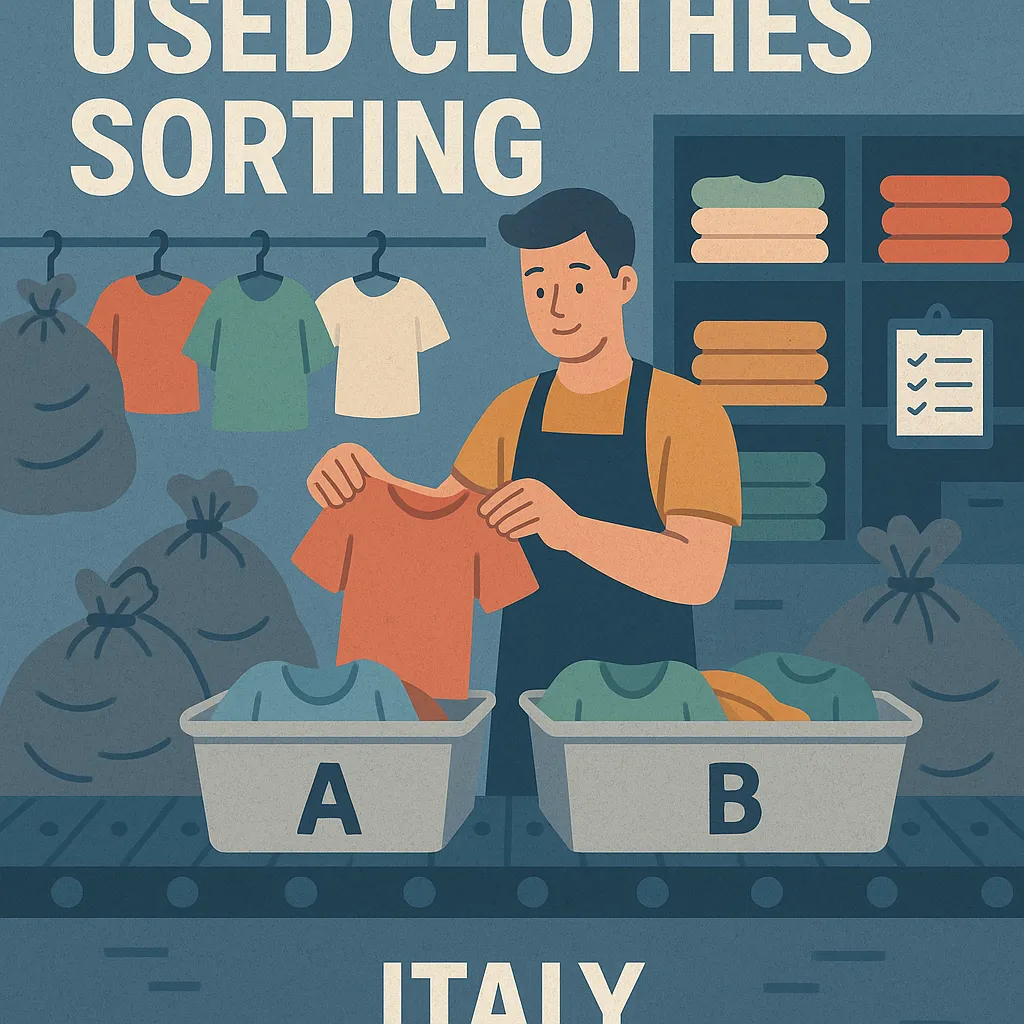
The process of used clothes sorting begins with the collection of garments from various sources such as donations, thrift stores, or recycling points. Once collected, the clothes undergo a thorough inspection to determine their condition. This inspection is vital as it helps identify which items can be resold, which should be recycled, and which are beyond repair. Factors like stains, tears, and overall wear and tear play a significant role in this assessment. After the initial inspection, clothes are sorted into categories such as 'resale', 'repair', 'recycle', and 'waste'. Resale items are typically those in good condition that can be sold directly to consumers, while repairable items might need minor adjustments before they can be sold. Recycling involves breaking down the fabric to create new materials, whereas waste refers to items that cannot be salvaged. Understanding this process helps in promoting responsible consumption and encourages individuals to consider the lifecycle of their clothing.
Benefits of Used Clothes Sorting
Proper sorting of used clothes offers numerous benefits that extend to individuals, businesses, and the environment. Firstly, it aids in maximizing the financial returns from secondhand goods. By effectively categorizing clothes, retailers can ensure that quality items are available for resale, thus attracting more customers. Secondly, sorting helps reduce the amount of textile waste that ends up in landfills. The fashion industry is notorious for its waste, and by promoting the recycling and repurposing of clothing, we can significantly lessen our environmental footprint. Furthermore, sorting encourages a more sustainable approach to fashion consumption. As consumers become more aware of the impact of fast fashion, they are increasingly looking for alternatives that align with their values. Lastly, the sorting process can create job opportunities in local communities, particularly in areas focused on textile recycling and resale, thereby contributing to economic growth and community development.
Techniques for Efficient Sorting
To achieve optimal results in used clothes sorting, various techniques can be employed. One effective method is the 'triage' style sorting, where items are quickly evaluated and categorized into clear groups. This technique allows for rapid processing of large volumes of clothing, which is essential for businesses handling high turnover rates. Another technique is utilizing technology, such as mobile apps or software that can assist in tracking inventory and sorting items based on specific criteria. Additionally, training personnel in proper sorting techniques can enhance efficiency, ensuring that workers are knowledgeable about what constitutes a resellable item versus a recyclable one. Implementing a quality control process is also crucial; this involves regular checks and assessments of sorted items to ensure consistency in quality and category placement. Overall, adopting these techniques can streamline the sorting process, making it more effective and impactful.
Addressing Challenges in Clothes Sorting
Despite its benefits, used clothes sorting comes with its own set of challenges that need to be addressed to improve efficiency. One major challenge is the sheer volume of clothing that needs to be sorted. With the increasing popularity of thrift shopping and the growing awareness of sustainable fashion, the influx of donated items can overwhelm sorting facilities. To combat this, implementing structured sorting systems and utilizing additional manpower during peak times can help manage the workload. Another challenge is the variability in the quality of donated garments. Not all items are suitable for resale or recycling, and sorting through low-quality or heavily damaged clothing can be time-consuming. To address this, establishing clear guidelines for acceptable conditions and educating donors on what constitutes a valuable donation can significantly streamline the process. Additionally, market fluctuations can impact the resale value of sorted items, making it essential for businesses to stay informed about current trends and demands in the secondhand market.
Innovative Solutions for Sorting
Innovative solutions are emerging to enhance the used clothes sorting process, making it more efficient and effective. For instance, some companies are exploring the use of artificial intelligence (AI) to automate parts of the sorting process. AI can analyze images of clothing and categorize items based on fabric type, color, and condition, significantly speeding up the sorting process. Moreover, advancements in textile recycling technology are leading to more sustainable solutions for items deemed unsellable. This includes chemical recycling methods that break down fibers to create new fabrics, reducing waste and promoting a circular economy. Furthermore, collaboration among various stakeholders in the fashion industry, including retailers, recyclers, and non-profits, can foster innovation in sorting practices. By sharing resources and knowledge, the industry can develop better sorting methods and create a more sustainable future for fashion.
Conclusion
In conclusion, used clothes sorting is an essential practice that promotes sustainability in the fashion industry. By understanding the sorting process, recognizing its benefits, and addressing the challenges faced, both consumers and businesses can contribute to a more responsible approach to clothing consumption. Utilizing effective sorting techniques and embracing innovative solutions can further enhance the efficiency of this process. As the demand for sustainable fashion continues to grow, it is crucial for everyone involved in the clothing lifecycle to prioritize sorting and reusing. Together, we can make a significant impact on reducing textile waste and fostering a more sustainable future. If you’re interested in learning more about sustainable practices in fashion, feel free to explore our blog or contact us for more information.
FAQ
What is used clothes sorting and why is it important?
Used clothes sorting is the process of categorizing secondhand garments based on their condition, fabric type, and marketability. This practice is crucial for promoting sustainable fashion and responsible consumption, as it ensures that clothes are reused, recycled, or disposed of properly. Effective sorting maximizes the value of each item while minimizing waste, making it an essential practice for both consumers and businesses in the fashion industry.
How can I get involved in used clothes sorting?
Getting involved in used clothes sorting can be done in various ways. You can volunteer at local charities or thrift stores that accept clothing donations, helping to sort items for resale or recycling. Additionally, hosting clothing swaps or donation drives in your community can raise awareness about the importance of sorting and reusing garments. Educating others about sustainable fashion practices is also a valuable contribution.
What challenges are faced during the sorting process?
Challenges in the sorting process include managing the high volume of clothing donations, variability in garment quality, and market fluctuations that affect resale values. These challenges can overwhelm sorting facilities and complicate the assessment of items. Addressing these challenges involves implementing efficient sorting systems, training personnel, and establishing clear guidelines for acceptable donations.
What are the environmental benefits of proper clothes sorting?
Proper clothes sorting significantly reduces textile waste, which is a major environmental concern. By ensuring that garments are reused, recycled, or disposed of responsibly, sorting helps to minimize landfill contributions. This practice encourages a circular economy, reduces the demand for new clothing production, and conserves resources. Ultimately, proper sorting contributes to a more sustainable fashion industry and a healthier planet.
Can technology improve the clothes sorting process?
Yes, technology can greatly improve the clothes sorting process. Innovations such as artificial intelligence can automate parts of the sorting process, analyzing clothing images to categorize items more efficiently. Additionally, advancements in textile recycling technology can help manage items deemed unsellable, converting them into new materials and reducing waste. Collaborations among industry stakeholders can also lead to technological innovations that enhance sorting practices.
How does clothes sorting affect the secondhand market?
Clothes sorting directly affects the secondhand market by ensuring that quality items are available for resale. Proper sorting maximizes the value of garments and attracts consumers looking for sustainable fashion options. Additionally, sorting promotes responsible consumption, encouraging individuals to consider the lifecycle of their clothing choices. By enhancing the quality and availability of sorted items, the secondhand market can thrive, benefiting both consumers and the environment.