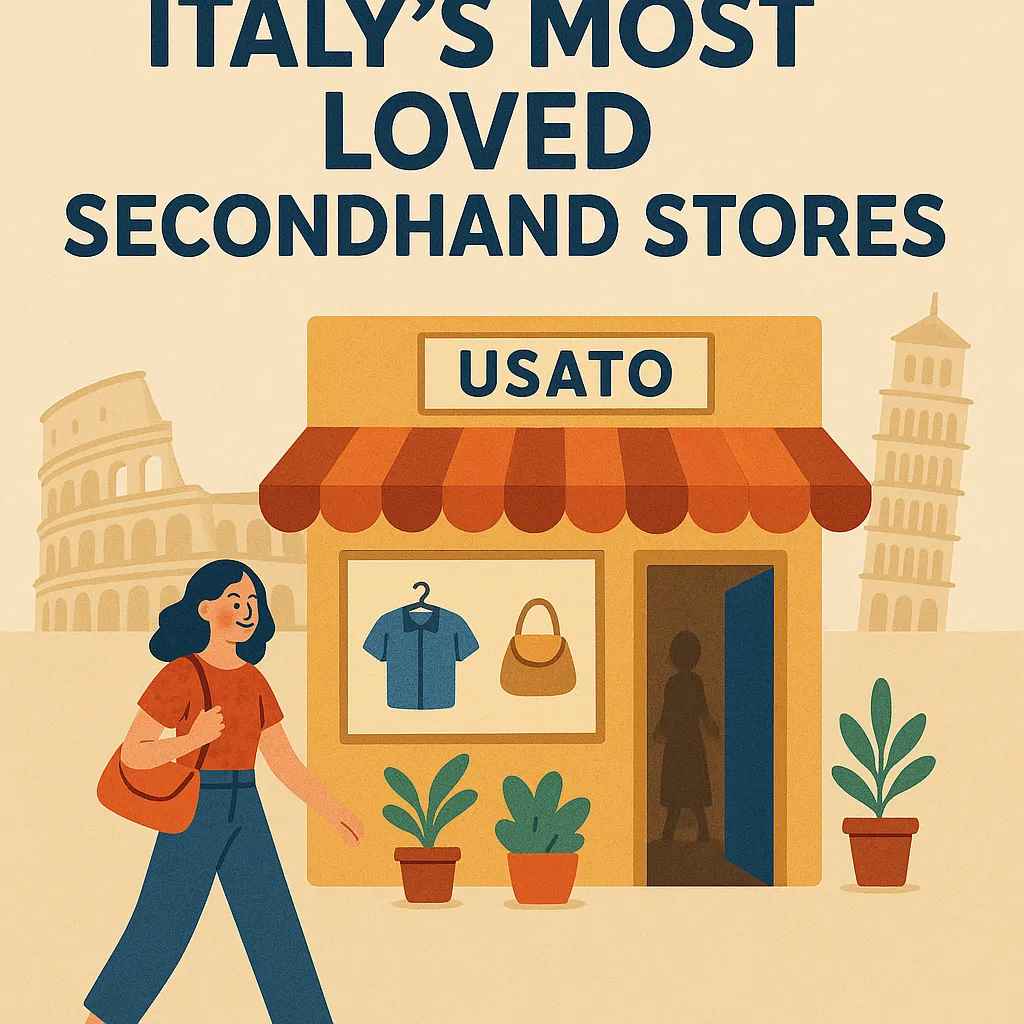
Exploring Italy’s Most Loved Secondhand Stores
Exploring Italy’s most loved secondhand stores reveals a treasure trove of unique finds that embody the rich culture and history of this beautiful country. From vintage fashion to rare books, these shops offer more than just items; they provide a glimpse into the past and a sustainable way of shopping. As you wander through the narrow streets of cities like Florence, Milan, and Rome, you’ll encounter charming boutiques filled with eclectic goods waiting to be discovered. Each store has its own personality, reflecting the local culture and the stories behind the items on display. Whether you are a passionate collector or simply curious about secondhand shopping, Italy’s secondhand stores promise an unforgettable experience.
1. The Allure of Vintage Fashion in Florence
Florence, the cradle of the Renaissance, is not just famous for its art and architecture; it also boasts some of the most captivating secondhand stores in Italy. The allure of vintage fashion here is undeniable, with boutiques like "Pitti Vintage" and "Vintage Selection" offering curated collections that showcase the best of Italian design from decades past. Shoppers can find everything from elegant dresses to handmade accessories that tell a story of their own. The experience of sifting through racks of clothing is akin to treasure hunting, where every piece has the potential to become a cherished addition to your wardrobe. These stores also emphasize sustainability, promoting a shopping culture that values the art of recycling fashion. In a world increasingly focused on fast fashion, these secondhand shops stand out as beacons of style and sustainability, drawing both locals and tourists alike.
1.1 Unique Home Decor Finds
Beyond fashion, Florence's secondhand stores are treasure troves for unique home decor. Stores like "Mercato delle Pulci" offer an array of vintage furniture, ceramics, and artwork that can transform any living space. Each item has its own character, providing a narrative that new items simply cannot replicate. Shoppers can find stunning chandeliers, quirky lamps, and beautifully crafted wooden pieces that add a sense of warmth and history to a home. Many of these stores not only sell items but also host workshops, allowing visitors to learn about restoration and the art of upcycling. By choosing secondhand decor, you’re not only finding unique pieces but also contributing to a more sustainable lifestyle. The charm of these stores is that, while you may come for the decor, you often leave with a story—a conversation starter that enriches your living space and your life.
1.2 The Thrill of the Hunt
What truly sets Florence’s secondhand stores apart is the thrill of the hunt. Unlike shopping in conventional retail settings, here every visit can lead to a delightful surprise. The inventory is ever-changing, with new items arriving regularly, making each trip a unique adventure. Shoppers are often encouraged to explore and dig through boxes and racks, fostering a sense of discovery and excitement. This unpredictability creates a connection between the shopper and the store, as each item found holds the promise of a new beginning. For those who appreciate the stories behind objects, the thrill of finding a forgotten gem is unparalleled. Whether it's a vintage purse or a classic vinyl record, the joy of uncovering something special is what makes secondhand shopping in Florence an experience to treasure.
2. Milan's Eclectic Secondhand Scene
Milan, known as the fashion capital of the world, offers a secondhand shopping experience that complements its reputation. The city is home to a mix of high-end vintage shops and quirky thrift stores, making it a paradise for fashion enthusiasts. Stores like "Cavalli e Nastri" and "Bivio" curate collections that feature designer pieces alongside affordable finds, allowing shoppers to experience luxury at a fraction of the price. This blend of high and low creates an exciting shopping environment where anyone can find something that fits their style. Milanese secondhand shops also embrace a philosophy of sustainability, encouraging shoppers to opt for pre-loved items instead of contributing to the waste of fast fashion. The city’s vibrant secondhand scene is a testament to the idea that fashion can be both stylish and conscious, appealing to a wide range of consumers who value both aesthetics and ethics.
2.1 A Sustainable Fashion Future
Milan’s secondhand stores are not just places to shop; they are part of a larger movement towards sustainable fashion. With increasing awareness of the environmental impact of clothing production, many Milanese boutiques are leading the charge in promoting eco-friendly practices. By purchasing secondhand, shoppers reduce their carbon footprint and support a circular economy. Special events like "Milano Vintage Week" celebrate this culture, featuring local designers and artists who emphasize creativity and sustainability. These events not only spotlight secondhand fashion but also educate consumers on the importance of mindful shopping. As Milan continues to evolve, its secondhand stores remain at the forefront of the fashion industry, proving that style and sustainability can go hand in hand.
2.2 The Joy of Personal Style
In Milan, secondhand shopping offers a unique opportunity to express personal style. With a diverse selection of items ranging from retro to contemporary, shoppers can curate wardrobes that reflect their individuality. Unlike mainstream retail chains, these stores encourage creativity and experimentation, allowing customers to mix and match pieces to create one-of-a-kind outfits. The thrill of finding the perfect vintage jacket or a unique pair of shoes can inspire confidence and self-expression. Furthermore, many secondhand shops offer styling advice, helping customers learn how to incorporate vintage pieces into their daily wear. This personalized approach enhances the shopping experience, making it not just about the clothes but about discovering and celebrating one’s own identity through fashion.
3. Rome's Hidden Gems
Rome, with its rich history and vibrant culture, is home to numerous hidden gems in the secondhand shopping scene. Stores like "Porta Portese" and "Mercato di Campagna Amica" offer a blend of antiques, collectibles, and vintage clothing that reflect the city's eclectic spirit. Exploring these markets is an adventure in itself, as you’ll encounter everything from vintage postcards to rare vinyl records. The charm of shopping in Rome lies in the stories behind each item, with many pieces steeped in history. This adds a layer of depth to the shopping experience, inviting customers to connect with the past while making sustainable choices for the present. Each purchase not only supports local businesses but also contributes to preserving the unique culture of Rome.
3.1 The Art of Bargaining
One of the most exciting aspects of shopping in Rome's secondhand markets is the art of bargaining. Unlike fixed-price boutiques, many vendors at markets like "Porta Portese" are open to negotiation, making it possible for shoppers to score incredible deals. This interactive experience fosters a sense of community and connection between buyers and sellers, enriching the overall shopping atmosphere. The thrill of haggling can be daunting for some but is often rewarded with not only a better price but also a memorable interaction. The vendors often have stories to share about the items they sell, providing valuable insights into their origins and significance. This personal touch adds to the allure of secondhand shopping in Rome, creating lasting memories alongside unique purchases.
3.2 Embracing the Vintage Lifestyle
Embracing the vintage lifestyle in Rome goes beyond clothing; it encompasses a philosophy of appreciating quality and history. Many secondhand stores promote this lifestyle by curating selections that highlight craftsmanship and timeless design. This focus encourages shoppers to invest in pieces that will last rather than fleeting trends. By choosing vintage, consumers support sustainable practices and contribute to a more circular fashion economy. The experience of finding a vintage piece that resonates personally can be incredibly rewarding, fostering a deeper appreciation for the artistry involved in clothing production. Rome’s secondhand stores provide the perfect backdrop for this lifestyle, allowing shoppers to form connections with their purchases and the stories they tell.
FAQ
What is the experience of Exploring Italy’s Most Loved Secondhand Stores?
The experience of exploring Italy’s most loved secondhand stores is nothing short of enchanting. Each store offers a unique blend of history, culture, and sustainability, creating an atmosphere rich with discovery. Shoppers can navigate through vintage fashion, home decor, and eclectic collectibles, each item telling its own story. The thrill of the hunt is palpable, as visitors sift through carefully curated selections, often unearthing hidden gems that hold significant personal or cultural value. This type of shopping not only supports local businesses but also embraces a lifestyle that values sustainability and creativity, making each purchase meaningful. In cities like Florence, Milan, and Rome, the journey through these stores becomes an unforgettable adventure, enriching both the shopping experience and the soul.
What types of items can I find in secondhand stores in Italy?
In Italy's secondhand stores, you can find a diverse array of items that reflect the country's rich cultural heritage. Vintage clothing is a major attraction, with unique pieces ranging from high-end designer brands to quirky streetwear. Additionally, many stores offer antiques and collectibles, including furniture, ceramics, and artwork, allowing shoppers to bring a piece of Italian history into their homes. Books, vinyl records, and accessories also populate the shelves, catering to various tastes and interests. Each store has its own character, meaning that no two shopping experiences are alike, and the thrill of discovery is what makes exploring these stores so exciting. Whether you're a fashion enthusiast or a collector, Italy's secondhand shops have something special to offer.
How do I find the best secondhand stores in Italy?
Finding the best secondhand stores in Italy can be an adventure in itself. Start by researching online to discover popular shops in cities like Florence, Milan, and Rome, where you can read reviews and check social media for insights. Local blogs and travel websites often provide curated lists of must-visit secondhand boutiques. Additionally, don’t hesitate to ask locals for recommendations, as they can point you to hidden gems that might not be widely known. Exploring different neighborhoods on foot can also lead to unexpected finds, as many of Italy's best secondhand stores are tucked away in charming streets and alleys. Embrace the spirit of adventure, and allow yourself to wander—sometimes the best discoveries come when you least expect them.
Are secondhand stores in Italy expensive?
The pricing at secondhand stores in Italy can vary significantly depending on the type of items, the store's location, and the overall condition of the goods. Generally, you can find affordable options that cater to every budget, especially in thrift shops and flea markets. In contrast, high-end vintage boutiques may carry designer pieces that are more expensive but still offer significant savings compared to new retail prices. The beauty of secondhand shopping lies in the ability to find unique items at various price points, allowing you to negotiate and explore according to your budget. By shopping secondhand, you not only save money but also contribute to sustainable practices, making it a win-win situation.
Can I negotiate prices in secondhand stores in Italy?
Yes, negotiating prices in secondhand stores in Italy is often a common practice, especially in flea markets and local boutiques. Many vendors expect some level of haggling, and it can be a fun part of the shopping experience. When you find an item you love, don’t be afraid to ask for a better price, but approach the conversation with respect and friendliness. Building rapport with the seller can enhance your chances of getting a good deal. The process of bargaining can also lead to interesting conversations about the items and their history, enriching your overall experience. Remember, the goal is to walk away with a treasure while ensuring the seller feels satisfied with the sale too.