
In the competitive landscape of retail, discovering where to buy second hand clothes in bulk is crucial for businesses looking to source sustainable and profit-generating inventory. Italy Secondhand offers a distinct B2B wholesale option for retailers, resellers, and exporters across Europe. With our in-house sorting and quality control, trade buyers can confidently select branded clothing bales that meet their specific needs and preferences. This article will guide you through key aspects of purchasing second-hand clothing in bulk, including supplier selection and logistical considerations.
Table of Contents
- Understanding the Demand for Second Hand Clothing
- Why Europe is a Top Sourcing Hub
- Key Factors in Choosing Suppliers
- Leveraging Digital Platforms for Sourcing
- Sustainable Practices in Second Hand Trade
- Assessing Risks in Second Hand Clothing Imports
Key Takeaways
| Aspect | Details |
|---|---|
| Minimum Order Quantity (MOQ) | Typically ranges from 100-500 kg, depending on the supplier. |
| Quality Grading | Suppliers provide detailed classifications for condition: A, B, and C grades. |
| Logistics | Be aware of shipping and handling timelines to ensure timely delivery. |
| Documentation | Ensure proper invoices and customs documents are provided for export. |
Understanding the Demand for Second Hand Clothing
Consumer attitudes are shifting towards sustainability, driving the demand for second-hand clothing. Research shows that motivations for purchasing second-hand products vary widely, ranging from economic benefits to environmental concerns. According to a study on barriers in second-hand purchasing, understanding these motivations can help trade buyers tailor their inventory effectively.
Why Europe is a Top Sourcing Hub
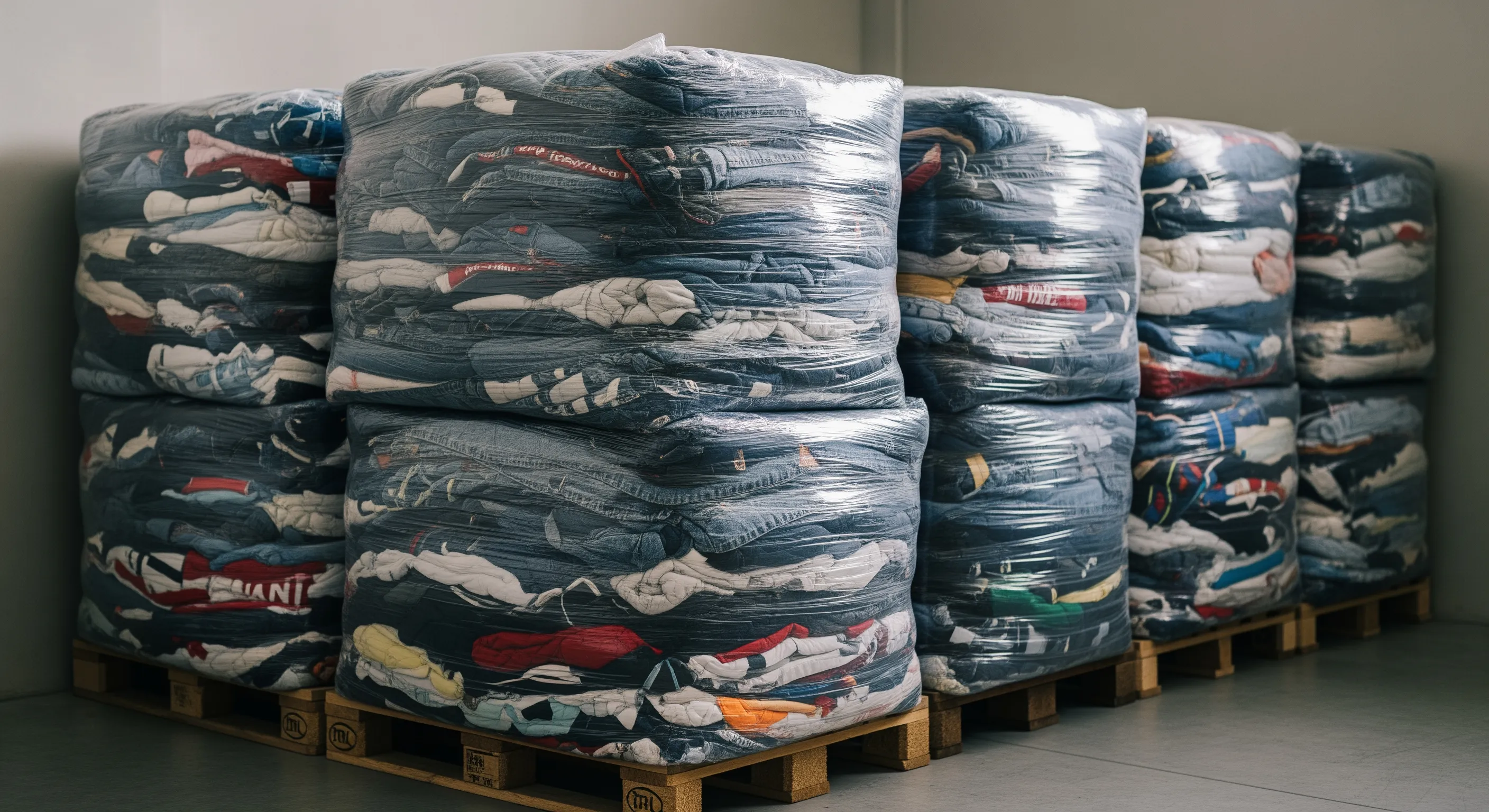
Europe has become a significant player in the second-hand clothing market due to its robust supply chains and established regulations. The European market boasts an array of suppliers providing high-quality, branded clothing bales. In fact, studies indicate that European consumers are increasingly open to thrift shopping, thereby expanding the market's potential significantly.
The logistics of importing second-hand clothes from Europe are also favorable due to the region's advanced infrastructure.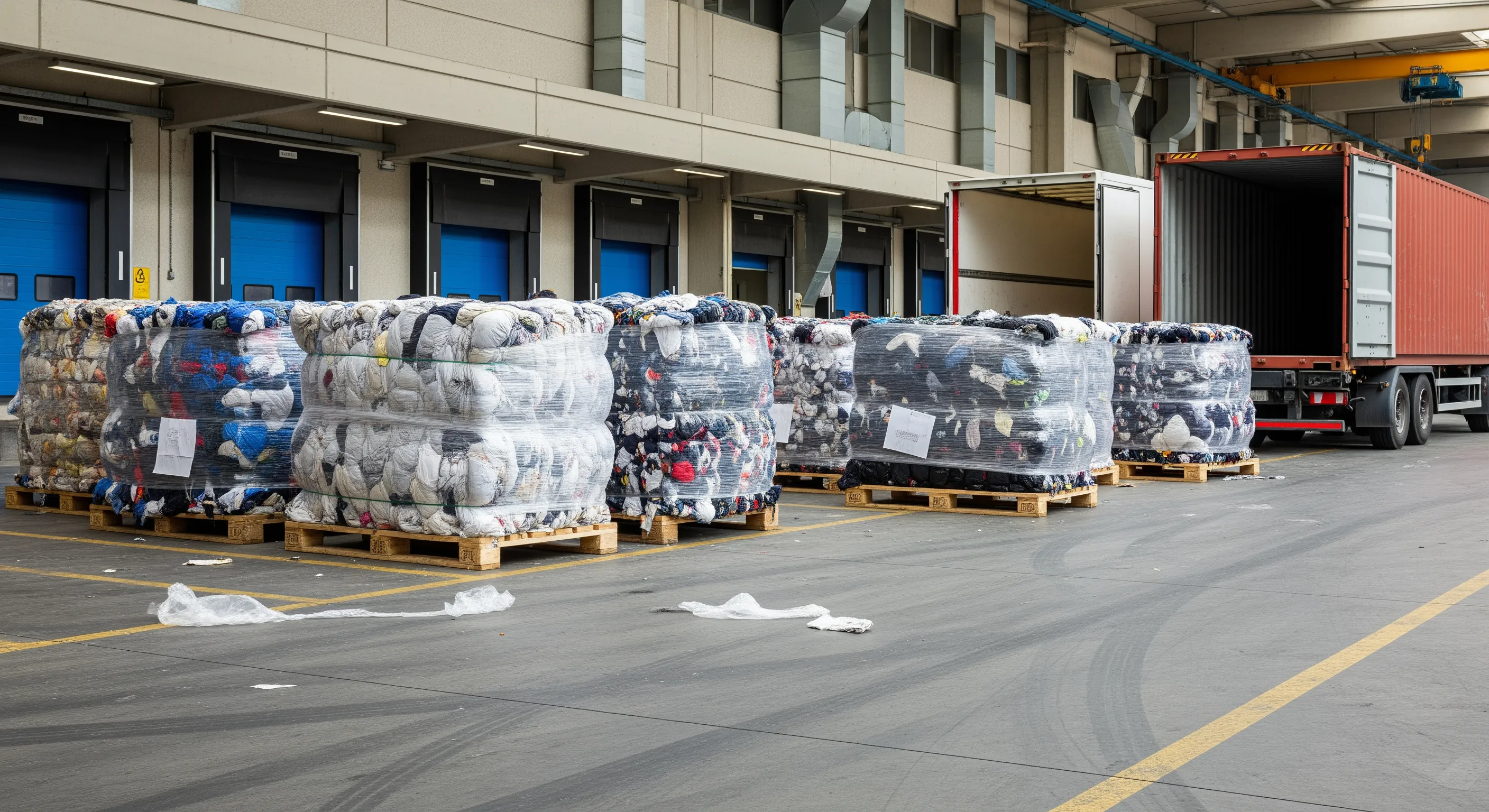
Key Factors in Choosing Suppliers
When sourcing wholesale second hand clothes, selecting a reliable supplier is paramount. Key factors include assessing their reputation, transparency in grading, and the ability to provide export logistics. A well-regarded supplier will supply the necessary digital platforms for ordering and communication, ensuring a smoother purchasing process.
Trade buyers should look for suppliers who provide clear documentation, which is essential for effective customs clearance and shipping. If the supplier has a visitable facility, it further enhances trust in their operations.
Pro tip: Always verify the supplier’s logistics capabilities, especially for exporting second-hand clothing across borders.
Leveraging Digital Platforms for Sourcing
With the rise of digital platforms, sourcing second hand clothing has become more streamlined. These platforms allow trade buyers to browse inventory, place orders, and manage logistics efficiently. Using digital channels can provide quicker access to diverse suppliers and competitive pricing.
EU trade data indicates that the retail sector is experiencing a notable shift towards e-commerce, including the second-hand market.
Sustainable Practices in Second Hand Trade
Sustainability is at the forefront of the second-hand clothing trade. Importing such goods can yield significant benefits, not only for trade buyers but also for the environment. Implementing practices that prioritize recycling and reusing textiles helps mitigate waste, and studies show that 38% of citizens in France now purchase second-hand items regularly, according to a recent report.
Moreover, the direct link between sustainability initiatives and market growth is clear, making it essential for businesses to adopt eco-friendly practices.
Pro tip: Engage with suppliers who emphasize sustainable sourcing and can provide transparency in their practices.
Assessing Risks in Second Hand Clothing Imports
Although the second-hand clothing market offers numerous opportunities, it is crucial to assess associated risks. Factors such as product quality, compliance with safety regulations, and potential logistics issues must be examined. Comprehensive checks on suppliers’ documentation processes can reduce complications.
Developing strong relationships with suppliers can also help in risk mitigation by ensuring a more reliable and transparent supply chain.
Pro tip: Always perform due diligence when evaluating potential suppliers to minimize risks.
Unlock Reliable EU Stock and Faster Reorders with Italy Branded Wholesale Supply
For trade buyers who need consistent branded mixes, transparent grading, and export-ready paperwork, explore Italy Secondhand at italysecondhand.com. If you want a quick recommendation based on volumes, target category, and delivery country, contact the team here: Contact Us.
Frequently Asked Questions
What types of clothing are available in second-hand bulk lots?
Available clothing can vary from branded items to vintage pieces, including seasonal wear.
How do I ensure quality when purchasing second-hand clothes?
Select suppliers who provide grading systems and ensure quality control.
Can I visit the supplier’s facility?
Many reputable suppliers allow visits to assess the quality of their clothing and operations.
What paperwork do I need for importing second-hand clothing?
Proper invoices and customs documentation are necessary for compliance with import regulations.