
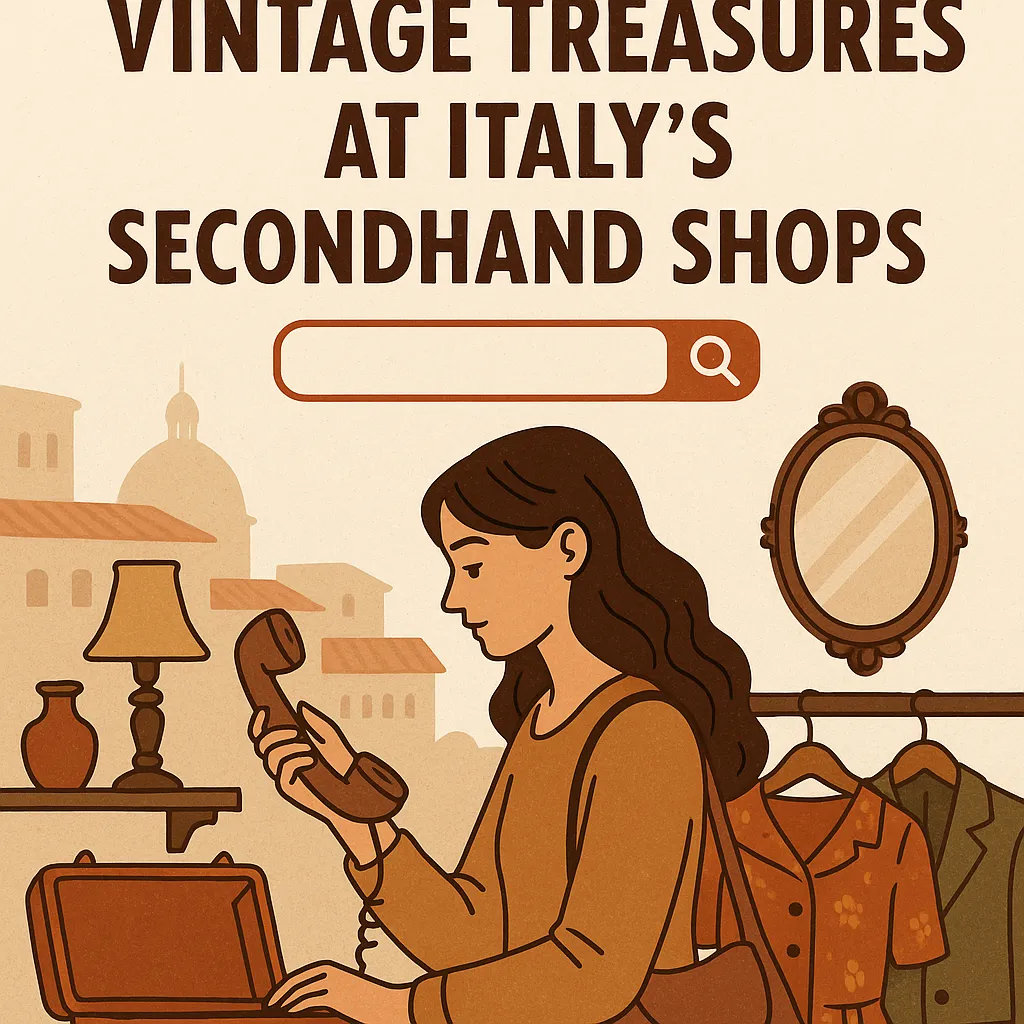
How to Find Vintage Treasures at Italy’s Secondhand Shops
Learning how to find vintage treasures at Italy’s secondhand shops can be an exhilarating adventure, blending the thrill of discovery with the joy of sustainable shopping. Italy, renowned for its rich history and artistic heritage, offers a plethora of secondhand shops where you can unearth unique items that tell a story. From charming vintage clothing to exquisite home decor, these shops are treasure troves for both locals and tourists alike. However, navigating through these hidden gems requires a strategic approach to maximize your chances of finding those one-of-a-kind pieces that resonate with your personal style. This guide will equip you with essential tips and insights to enhance your treasure-hunting experience in Italy’s secondhand shops.
Understanding the Landscape of Secondhand Shops in Italy
The first step in your journey to uncovering vintage treasures is understanding the landscape of secondhand shops in Italy. The country boasts a diverse array of shops, ranging from thrift stores and flea markets to upscale consignment boutiques. Each type of shop offers a unique shopping experience, catering to different tastes and budgets. Thrift stores are often stocked with eclectic items at budget-friendly prices, making them ideal for treasure hunters on a mission. Flea markets, held in open-air venues on weekends, present an exciting atmosphere where you can haggle for vintage finds while soaking in the local culture. On the other hand, consignment boutiques may offer higher-end items curated with a discerning eye, often reflecting current fashion trends. Familiarizing yourself with these various shopping venues will help you strategize your visits and target the shops that align with your vintage-hunting goals.
Researching Popular Vintage Shops and Markets
To make the most of your search for vintage items, it’s beneficial to research popular vintage shops and markets in the cities you plan to visit. Major cities like Florence, Milan, and Rome are known for their vibrant secondhand shopping scenes, with many establishments specializing in vintage clothing, furniture, and collectibles. Online resources, social media platforms, and local blogs are excellent tools for discovering hidden gems and reading reviews from fellow vintage enthusiasts. Additionally, consider joining online communities or forums where you can connect with locals who can provide firsthand recommendations. Attending vintage fairs and events can also be a great way to meet sellers and learn more about the items they offer. By doing your homework before embarking on your shopping adventure, you’ll be well-prepared to navigate the exciting world of Italy’s vintage shops.
Timing Your Visits for the Best Finds
Timing is crucial when it comes to finding the best vintage treasures at Italy’s secondhand shops. Many stores receive new inventory on specific days, and being aware of these schedules can significantly increase your chances of discovering unique items. For instance, some shops may restock their shelves on Mondays after weekend sales, while others might have a routine of refreshing their inventory mid-week. Additionally, if you’re visiting flea markets, arriving early gives you the advantage of sifting through items before they get picked over by other shoppers. On the flip side, visiting later in the day can lead to better deals as vendors may be more willing to negotiate prices to avoid packing up unsold items. Keep in mind that holidays and local events may also impact the availability and variety of items, so planning your visits around these factors can enhance your treasure-hunting experience.
Strategies for Successful Treasure Hunting
Equipped with knowledge about the types of shops and timing, you can implement effective strategies for successful treasure hunting. Start by setting a budget for your shopping spree, as this will help you make thoughtful purchasing decisions while keeping your finances in check. Consider creating a wishlist of specific items you hope to find, such as vintage clothing, accessories, or home decor, to streamline your search and maintain focus. When browsing through items, take your time and thoroughly inspect each piece for quality and authenticity; checking labels, stitching, and materials can help you avoid counterfeit items and ensure you’re making worthwhile purchases. Don't hesitate to ask shop owners about the history of certain pieces, as their stories can add sentimental value to your finds. Lastly, embrace the element of surprise; sometimes, the best vintage treasures are the ones you stumble upon unexpectedly, so keep an open mind and enjoy the journey.
Negotiating Prices and Making the Purchase
Negotiating prices is an integral part of the secondhand shopping experience in Italy. Many shop owners expect some haggling, especially at flea markets or thrift stores, where prices are often flexible. When approaching negotiations, do so with respect and a friendly attitude; building rapport with the seller can lead to more favorable outcomes. Start by expressing genuine interest in the item and share why you appreciate it, which can create a connection between you and the seller. Then, suggest a price that feels fair based on your budget and the item’s condition. If the seller counters your offer, be open to compromise while remaining firm on your budget. Once you agree on a price, always double-check the item for any flaws before finalizing the purchase. Making sure the item meets your expectations will ensure you leave with a treasure you'll cherish.
Preserving Your Vintage Treasures
After successfully finding vintage treasures at Italy’s secondhand shops, it’s essential to know how to properly preserve them to maintain their beauty and longevity. Depending on the type of item you’ve acquired, different care methods may apply. For vintage clothing, always follow the care labels and consider hand washing delicate pieces to prevent damage. Store items away from direct sunlight to avoid fading, and use padded hangers for garments to retain their shape. For furniture and decor, dust regularly and use appropriate cleaning products to avoid deterioration. When it comes to collectibles, invest in display cases to protect them from dust and accidental damage. By taking the time to care for your vintage finds, you’ll ensure they remain cherished items in your collection for years to come.
Connecting with the Vintage Community
Engaging with the vintage community can significantly enhance your treasure-hunting experience. Many cities in Italy host vintage fairs, swap meets, and other events where enthusiasts gather to share their passion for secondhand finds. Attending these events not only allows you to discover unique items but also provides opportunities to meet like-minded individuals who share your interests. Joining local vintage clubs or online groups can also offer valuable insights into the best shops and markets, along with tips for successful hunting. Social media platforms are useful for connecting with sellers and fellow vintage lovers; following relevant hashtags can keep you informed about upcoming events and new shop openings. By immersing yourself in the vintage community, you'll gain access to a wealth of knowledge and resources, making your treasure-hunting adventures even more rewarding.
FAQ
How to Find Vintage Treasures at Italy’s Secondhand Shops?
Finding vintage treasures at Italy’s secondhand shops requires a blend of research, timing, and strategy. Start by understanding the different types of secondhand shops available, like thrift stores and flea markets, and familiarize yourself with popular locations in cities like Florence and Milan. Timing your visits is essential, as many shops restock on specific days. Set a budget, create a wishlist, and take your time while browsing to ensure quality finds. Don't forget to negotiate prices and build rapport with sellers, as this can lead to better deals. Lastly, preserving your treasures is crucial to maintaining their charm and longevity.
What types of items can I find in secondhand shops in Italy?
Secondhand shops in Italy offer a diverse range of items that cater to various tastes and interests. Shoppers can discover vintage clothing, accessories, and shoes that reflect the unique styles of different eras. Additionally, these shops often stock antique furniture, decorative items, and collectibles, making them perfect for home decor enthusiasts. You may also come across rare books, vinyl records, and art pieces, all of which carry a sense of history and character. Each visit to a secondhand shop can yield surprising finds, allowing you to curate a distinctive collection that showcases your personal style and appreciation for vintage treasures.
Are flea markets in Italy worth visiting?
Absolutely! Flea markets in Italy are vibrant and bustling hubs of activity where you can find an incredible assortment of vintage treasures. These markets often feature numerous vendors showcasing a wide range of items, from antiques to handmade crafts. The atmosphere is lively, making it a fun experience for treasure hunters. Visiting flea markets allows you to interact directly with sellers, often leading to unique stories behind the items for sale. Additionally, you may find better prices compared to traditional shops, as haggling is common in these settings. Overall, flea markets are an essential part of the vintage shopping experience in Italy.
How can I tell if a vintage item is authentic?
Determining the authenticity of a vintage item can be challenging but is crucial for ensuring you make worthwhile purchases. Start by examining labels and tags, as vintage pieces often have specific markings indicating their origin and era. Look for signs of wear and quality craftsmanship, such as hand-stitched seams or unique materials that may not be present in modern reproductions. Researching the brand or designer can also provide insight into the item’s authenticity. When in doubt, ask the seller about the item’s history; reputable sellers are usually knowledgeable and willing to share details. Taking the time to verify authenticity will enhance your confidence in your vintage finds.
What should I consider when preserving vintage clothing?
Preserving vintage clothing requires careful handling to maintain its quality and prevent damage. Always check the care labels and follow any specific instructions provided for cleaning. Hand washing delicate pieces with mild detergent is often recommended to preserve fabric integrity. Store vintage clothing away from direct sunlight to prevent fading and use padded hangers to retain their shape. Avoid overcrowding your closet to reduce stress on the garments. For long-term storage, consider using acid-free tissue paper to wrap items and place them in breathable garment bags. By taking these precautions, you’ll ensure your vintage clothing remains in excellent condition for years to come.