
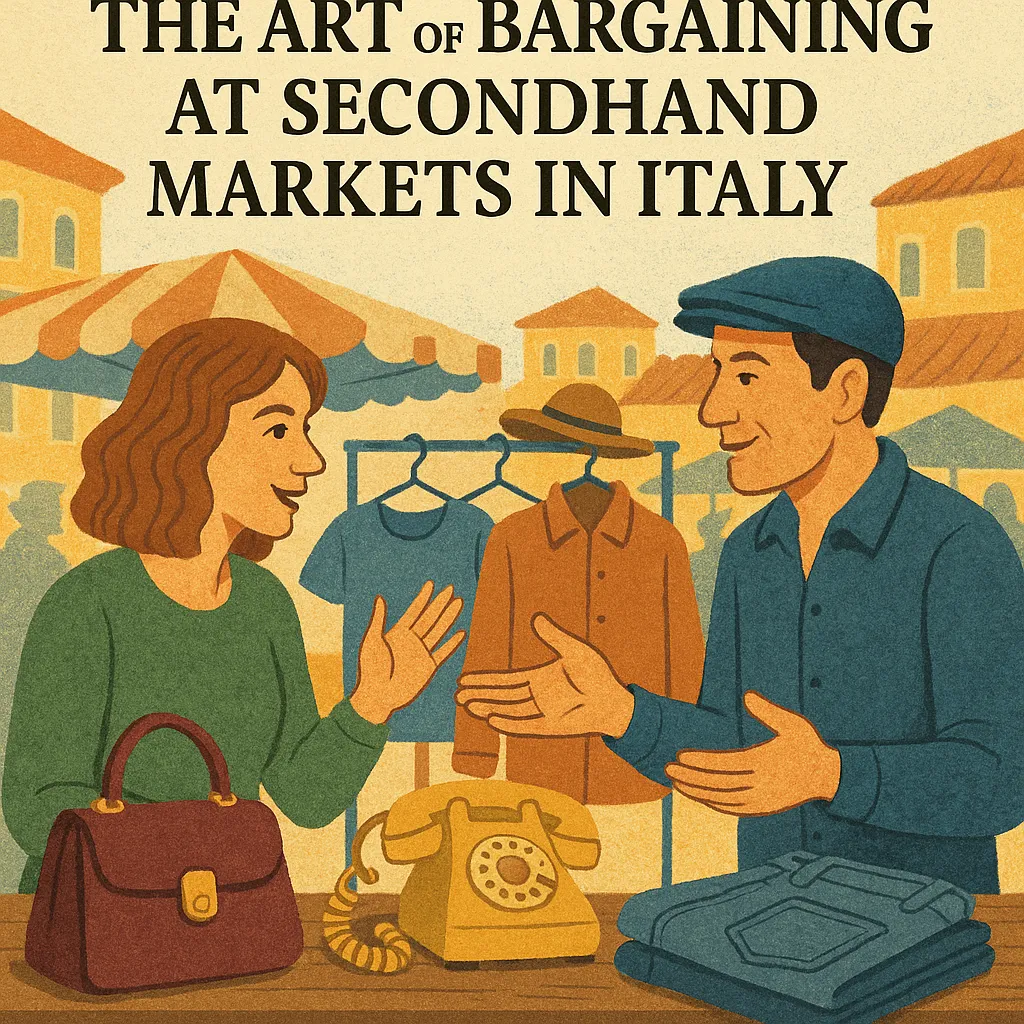
The Art of Bargaining at Secondhand Markets in Italy
The Art of Bargaining at Secondhand Markets in Italy is more than just a transaction; it's an experience steeped in culture, tradition, and negotiation skills. Secondhand markets, or "mercatini dell'usato," are integral to Italian life, where locals and tourists alike hunt for unique treasures at bargains. The vibrant atmospheres of these markets, scattered across cities like Florence, Rome, and Milan, are filled with a cacophony of voices haggling over prices, making each visit an adventure. Understanding the nuances of bargaining is crucial to successfully navigating these markets, as prices are often negotiable, and knowing how to engage vendors can lead to significant savings and delightful discoveries.
Understanding the Market Environment
The first step in mastering The Art of Bargaining at Secondhand Markets in Italy is to understand the unique environment of these bustling locales. Each market has its own character, influenced by the region, the vendors, and the types of goods available. In Florence, for example, you might find artisanal crafts and vintage clothing, while in Rome, the focus could shift to antiques and collectibles. It's essential to walk around the market before making any purchases, as this allows you to gauge prices and identify items that catch your eye. Observing others engage in bargaining can provide insights into how to approach vendors. Remember, Italians value conversation and relationship-building, so a friendly attitude can go a long way in negotiating a better price.
Key Strategies for Successful Bargaining
When you step into a secondhand market, having a plan can significantly enhance your bargaining outcomes. First, research the types of items you are interested in and their typical prices. This knowledge arms you with the confidence to negotiate effectively. Start your bargaining by expressing genuine interest in the item but avoid showing too much eagerness, as this can weaken your negotiating position. Offer a price lower than what you are willing to pay, allowing room for negotiation. Vendors often expect some back-and-forth, so be prepared to counter their responses with reasonable justifications for your offer. Additionally, timing can play a crucial role; visiting towards the end of the day may yield better deals, as vendors might be more willing to negotiate to clear out stock.
The Role of Cultural Etiquette
Cultural etiquette is paramount when engaging in The Art of Bargaining at Secondhand Markets in Italy. Italians take pride in their heritage, and showing respect for their customs can enhance your bargaining experience. Greeting vendors with a "Buongiorno" or "Ciao" sets a positive tone, and maintaining a friendly demeanor can foster rapport. Avoid aggressive bargaining tactics, as they can be perceived as rude. Instead, aim for a light-hearted approach that emphasizes mutual respect. In Italy, it’s common to engage in small talk, so don’t hesitate to ask about the item's history or the vendor’s background. This not only builds a connection but may also lead to better deals, as vendors are more likely to offer discounts to friendly customers. Being patient and polite can make all the difference in securing a favorable price.
What to Look For When Shopping
When exploring secondhand markets, knowing what to look for is essential in mastering The Art of Bargaining at Secondhand Markets in Italy. Each stall is a treasure trove of unique items, from vintage clothing to handmade crafts, and discerning quality is key. Check items for authenticity, especially antiques, as fakes can be common. Look for signs of wear and tear that may affect the item's value, and don't hesitate to inquire about its story. Understanding the provenance can not only enrich your appreciation of the item but also strengthen your bargaining position. Additionally, familiarize yourself with brands and their typical secondhand values to ensure you’re getting a fair deal. When you find something you love, don’t rush into a purchase; take your time to evaluate whether the price aligns with your budget and the item’s condition.
Tips for Navigating Secondhand Market Negotiations
Navigating negotiations at secondhand markets requires a blend of strategy and instinct. One effective tip is to observe the vendor's behavior and reactions during initial interactions. If they seem eager to make a sale, you might have more room to negotiate. Conversely, if they appear reluctant, it may be wise to tread carefully. Building rapport through conversation can also be beneficial; discussing shared interests or passions can create a more comfortable negotiating atmosphere. If you're part of a group, consider splitting up temporarily to gather more information and compare prices on similar items. This collective knowledge will empower your bargaining position when you regroup to negotiate together. Always remember that the goal is to reach a mutually beneficial agreement, so keeping the tone light and friendly is essential.
Embracing the Experience
The experience of bargaining at secondhand markets in Italy goes beyond mere transactions; it’s about immersing yourself in the local culture and lifestyle. Take the time to enjoy the vibrant surroundings, the aromas of local foods, and the colorful displays of merchandise. Engaging with vendors can lead to stories and insights that transform a simple purchase into a cherished memory. Many vendors are passionate about their goods and love to share their knowledge, which can enhance your understanding of Italian culture. Embrace the unpredictability of the market; sometimes, the most memorable finds come from unexpected stalls. Allow yourself to be flexible and open-minded, as this can lead to delightful surprises and perhaps even a new favorite item to take home.
Final Thoughts on Bargaining in Italy
Mastering The Art of Bargaining at Secondhand Markets in Italy is a rewarding endeavor that combines skill, patience, and cultural appreciation. As you navigate these markets, remember that each interaction is an opportunity to learn and connect with the local community. By understanding the dynamics of bargaining, respecting cultural nuances, and embracing the experience, you can enhance your shopping adventures and leave with unique treasures that tell a story. So next time you step into a bustling market in Italy, bring your curiosity and an open heart; you may just discover the art of negotiation in ways you never expected.
FAQ
What is The Art of Bargaining at Secondhand Markets in Italy?
The Art of Bargaining at Secondhand Markets in Italy refers to the cultural practice of negotiating prices for goods sold at local markets. This art form combines traditional negotiation skills with an understanding of the local customs and the unique atmosphere of the markets. Visitors and locals alike engage in friendly haggling over prices, allowing for both parties to reach a mutually agreeable price. It's essential to approach bargaining with respect and an open mind, as this fosters a better shopping experience and can lead to delightful interactions with vendors.
How should I prepare for bargaining at secondhand markets?
Preparing for bargaining at secondhand markets involves researching the types of items you're interested in and their typical prices. Familiarizing yourself with the market's layout and observing other shoppers can provide valuable insights. It’s also helpful to establish a budget to avoid overspending. Additionally, learning a few key phrases in Italian can enhance your interactions with vendors and demonstrate your respect for their culture. Being open to conversation and building rapport can help create a positive negotiating environment.
Are prices fixed at secondhand markets in Italy?
No, prices at secondhand markets in Italy are generally not fixed and are often negotiable. Vendors expect some level of bargaining, and it’s common practice to start with a lower offer than the asking price. However, the extent of negotiation can vary depending on the item and the vendor. Some may be more flexible than others, so approaching each negotiation with an open mind and a friendly demeanor is key to achieving a satisfactory deal.
What types of items can I find at secondhand markets in Italy?
Secondhand markets in Italy offer a diverse range of items, including vintage clothing, antiques, handmade crafts, and collectibles. Each market has its unique character, influenced by the region and the vendors. You might find jewelry, furniture, artwork, and even local delicacies. The variety is part of the charm, making these markets a treasure hunt for unique and often one-of-a-kind items. Exploring different markets can yield surprising finds that reflect the local culture and history.
What is the best time to visit secondhand markets for bargains?
The best time to visit secondhand markets for bargains is typically early in the morning or late in the afternoon. Arriving early allows you to have the first pick of items, while visiting later in the day may lead to vendors being more willing to negotiate prices to clear out their remaining stock. Weekends are generally busier, so if you're looking for a more relaxed shopping experience, consider going during the week. Regardless of when you visit, be prepared to engage and negotiate for the best deals.