The Role of Secondhand Shops in Italy’s Circular Economy
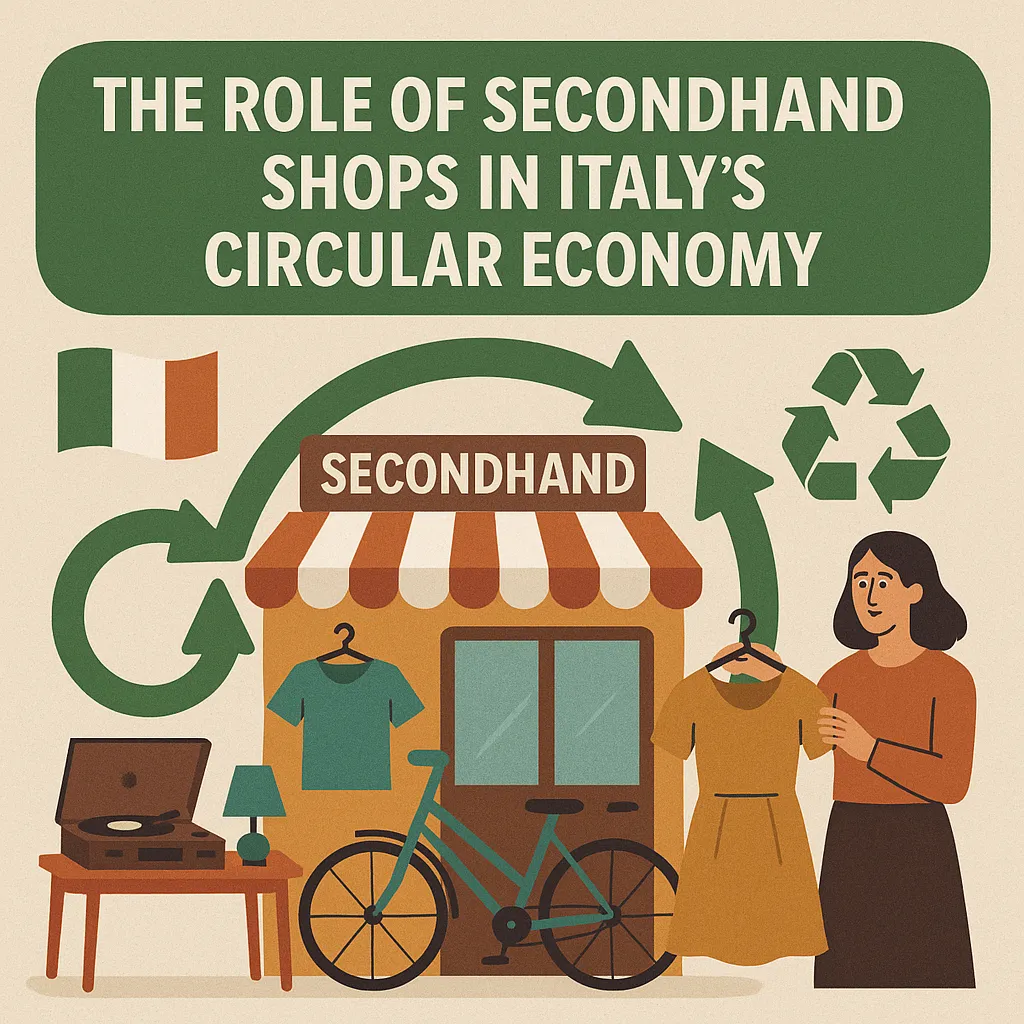
The role of secondhand shops in Italy’s circular economy is pivotal as they provide a sustainable alternative to traditional retail. As awareness grows around environmental issues, these shops not only promote reusability but also contribute to reducing waste and conserving resources. By offering a marketplace for pre-loved items, secondhand shops create a unique opportunity for consumers to participate actively in sustainable practices. They serve as vital links in the circular economy, where products are kept in use for as long as possible, thereby minimizing the demand for new goods. This shift not only benefits the environment but also fosters community engagement and economic resilience, making secondhand shopping a growing trend among the eco-conscious populace in Italy.
Understanding Circular Economy and Secondhand Shops
The circular economy is an innovative model that contrasts sharply with the traditional linear economy, which follows a 'take-make-dispose' pattern. Instead, it emphasizes sustainability by encouraging the reuse, repair, refurbishment, and recycling of products. In Italy, secondhand shops play a crucial role in this system by extending the lifecycle of consumer goods. By facilitating the exchange of used items, these shops reduce waste and resource consumption. They also help mitigate the environmental impact associated with the production of new items. In the context of secondhand shopping, consumers are not merely purchasers; they become active participants in a sustainable ecosystem. This paradigm shift in consumer behavior is vital for Italy's transition towards a more resilient economic model that prioritizes sustainability over materialism.
Social Impact of Secondhand Shops
Secondhand shops are more than just retail spaces; they are community hubs that foster social interaction and support local economies. In Italy, many of these shops are run by non-profits or cooperatives, which means that profits often go back into community projects or charitable causes. This social dimension adds a layer of purpose to shopping secondhand, as consumers know their purchases contribute to local initiatives. Furthermore, these shops often provide job opportunities and training for marginalized individuals, helping to integrate them into the workforce. Thus, the social impact of secondhand shops extends beyond economic benefits; they enhance community cohesion and promote social responsibility. As a result, they play a significant role in shaping a culture that values sustainability and community engagement.
Environmental Advantages of Buying Secondhand
The environmental advantages of buying secondhand are substantial, particularly in the context of Italy’s ongoing efforts to combat climate change. Purchasing pre-owned items significantly reduces the carbon footprint associated with manufacturing new goods, which often involves resource-intensive processes. For example, the fashion industry is notorious for its environmental impact, and buying secondhand clothing can drastically decrease waste in landfills and reduce pollution. Additionally, secondhand shops often promote products that are made to last, encouraging consumers to invest in quality over quantity. By choosing to shop secondhand, consumers in Italy are making a conscious decision to support sustainable practices that benefit the planet. The cumulative effect of these choices can lead to a significant reduction in environmental degradation while promoting a culture of sustainability.
Challenges Faced by Secondhand Shops in Italy
Despite their numerous benefits, secondhand shops in Italy face various challenges that hinder their potential impact on the circular economy. One significant obstacle is the stigma often associated with buying used goods. Many consumers still perceive secondhand items as inferior or less desirable, which can limit the market. Additionally, the economic pressures of competing with fast fashion and mass-produced items make it difficult for these shops to thrive. They often struggle with sourcing quality inventory, as many people still prefer to discard unwanted items rather than donate or sell them. Furthermore, establishing a robust supply chain for secondhand goods can be challenging, especially in urban areas where space is limited. To overcome these challenges, secondhand shops must engage in effective marketing strategies that highlight the benefits of sustainable consumption while fostering a positive image. By doing so, they can attract a wider audience and better serve their communities.
The Future of Secondhand Shops in Italy’s Circular Economy
The future of secondhand shops in Italy looks promising as sustainability becomes increasingly crucial to consumer choices. With a growing number of individuals recognizing the importance of reducing their environmental footprint, secondhand shopping is likely to become more mainstream. The rise of online platforms for buying and selling used goods has also transformed the landscape, making it easier for consumers to access secondhand items. Additionally, collaborations between secondhand shops and local artisans or designers can breathe new life into old products, creating unique offerings that appeal to a broader audience. As the circular economy gains traction, secondhand shops will continue to play an essential role in promoting sustainable practices and fostering community engagement. Their ability to adapt to changing consumer preferences and leverage technology will be key in shaping their future and enhancing their contribution to Italy’s circular economy.
FAQ
What is The Role of Secondhand Shops in Italy’s Circular Economy?
The role of secondhand shops in Italy’s circular economy is integral, as they promote sustainability by encouraging the reuse of products. These shops help extend the lifecycle of goods, reducing waste and resource consumption, while also fostering community engagement. By facilitating the exchange of pre-owned items, they contribute significantly to a more sustainable economic model that prioritizes environmental responsibility and social cohesion. This transformative approach not only benefits the planet but also supports local communities, reinforcing the importance of secondhand shopping in Italy's commitment to a circular economy.
How do secondhand shops contribute to sustainability?
Secondhand shops contribute to sustainability by promoting the reuse of products, which reduces the demand for new items and minimizes waste. By encouraging consumers to buy pre-owned goods, these shops play a crucial role in resource conservation. The environmental impact of manufacturing new products is significant, and by extending the life of existing items, secondhand shops help decrease pollution and reduce carbon footprints. Additionally, they foster a culture of sustainability, teaching consumers the value of mindful consumption and responsible buying practices.
What types of items can you find in secondhand shops?
In secondhand shops, you can find a wide variety of items, including clothing, furniture, books, electronics, and collectibles. These shops often offer unique pieces that are not available in mainstream retail stores, making them a treasure trove for those seeking distinctive or vintage items. Many secondhand shops also specialize in specific categories, such as designer clothing or home decor, providing customers with curated selections. The diversity of items available encourages consumers to explore and discover the value of pre-owned goods.
Are secondhand shops economically viable in Italy?
Secondhand shops can be economically viable in Italy, particularly as consumer attitudes shift towards sustainability. Many shoppers are increasingly seeking affordable alternatives to new products, especially in challenging economic times. Additionally, secondhand shops often operate with lower overhead costs compared to traditional retailers, allowing them to offer competitive pricing. However, their success depends on effective marketing and the ability to attract a steady flow of customers. By building a strong brand and community connections, secondhand shops can thrive and contribute to local economies.
How can consumers support secondhand shops?
Consumers can support secondhand shops by making conscious purchasing decisions and choosing to buy pre-owned items whenever possible. Additionally, donating unwanted items to these shops helps keep the inventory fresh and diverse. Engaging with secondhand shops on social media and sharing their offerings with friends can also boost visibility. By promoting the benefits of sustainable shopping and encouraging others to shop secondhand, consumers play a vital role in fostering a thriving circular economy in Italy.
What challenges do secondhand shops face in Italy?
Secondhand shops in Italy face several challenges, including stigma surrounding used goods, competition from fast fashion, and difficulties in sourcing quality inventory. Many consumers still view secondhand items as inferior, which can limit sales. Additionally, economic pressures make it challenging for these shops to compete with cheaper new products. Establishing a reliable supply chain for donations and maintaining a positive shop image are also critical hurdles. Addressing these challenges is essential for secondhand shops to maximize their impact on sustainability and community engagement.