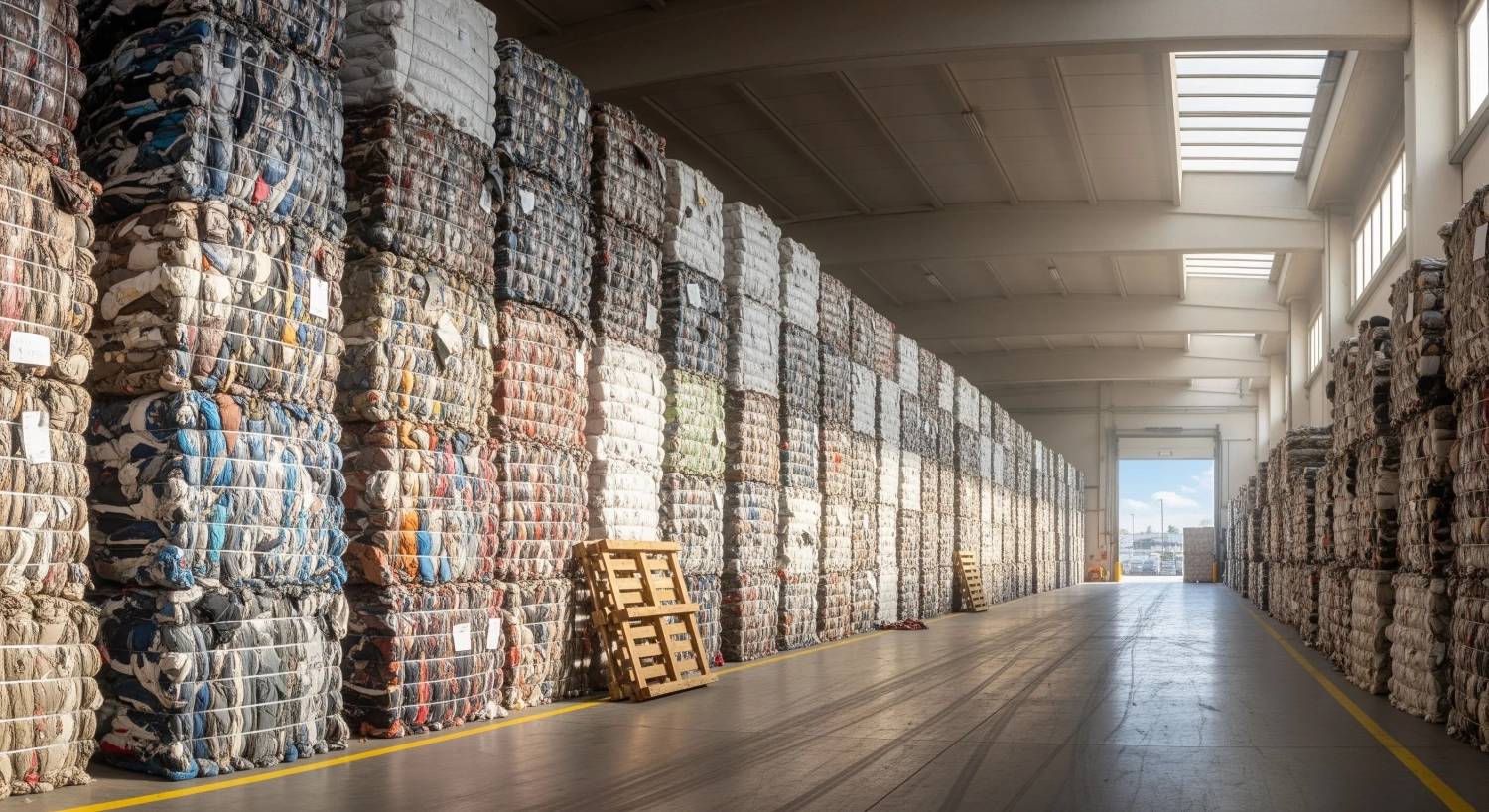
In the dynamic landscape of second-hand clothing, finding reliable suppliers for wholesale transactions in Italy is crucial for trade buyers. As sustainability becomes a priority, the demand for bulk vintage clothing and branded mixes is on the rise. This guide highlights trusted sources for second hand clothes wholesale Italy, ideal for resellers and exporters looking to enhance their inventory with quality goods while ensuring transparency and efficiency in logistics.
Table of Contents
- Importance of Sourcing Securely
- Key Players in Italy's Wholesale Market
- Various Product Types Available
- Logistics and Customs Considerations
- Cost Structure and Minimum Order Quantities
- Risk Mitigation Strategies
Key Takeaways
| Aspect | Details |
|---|---|
| MOQ | Minimum order quantities can vary; typically it is about 150 kg per lot. |
| Grading | Inspect bales for quality and categorization; ensure clarity on grading terms. |
| Logistics | Consider transport costs and timelines to optimize inventory flow. |
| Documentation | Ensure proper invoices and customs documents are prepared for seamless export. |
Importance of Sourcing Securely
When looking to purchase second hand clothes wholesale Italy, the primary concern is sourcing products securely. Many suppliers offer transparency in their inventory, allowing trade buyers to know precisely what they are receiving. This mitigates risks associated with blind purchases common in the industry. The assurance of quality is vital for maintaining customer satisfaction and return on investment.
Engaging with suppliers who allow facility visits can provide a better understanding of how their sorting processes operate and the quality of the clothing they handle. This will help foster strong business relationships and ensure the longevity of your supply chain.
Pro tip: Always prioritize suppliers who offer transparent inventory descriptions and allow for facility visits.
Key Players in Italy's Wholesale Market
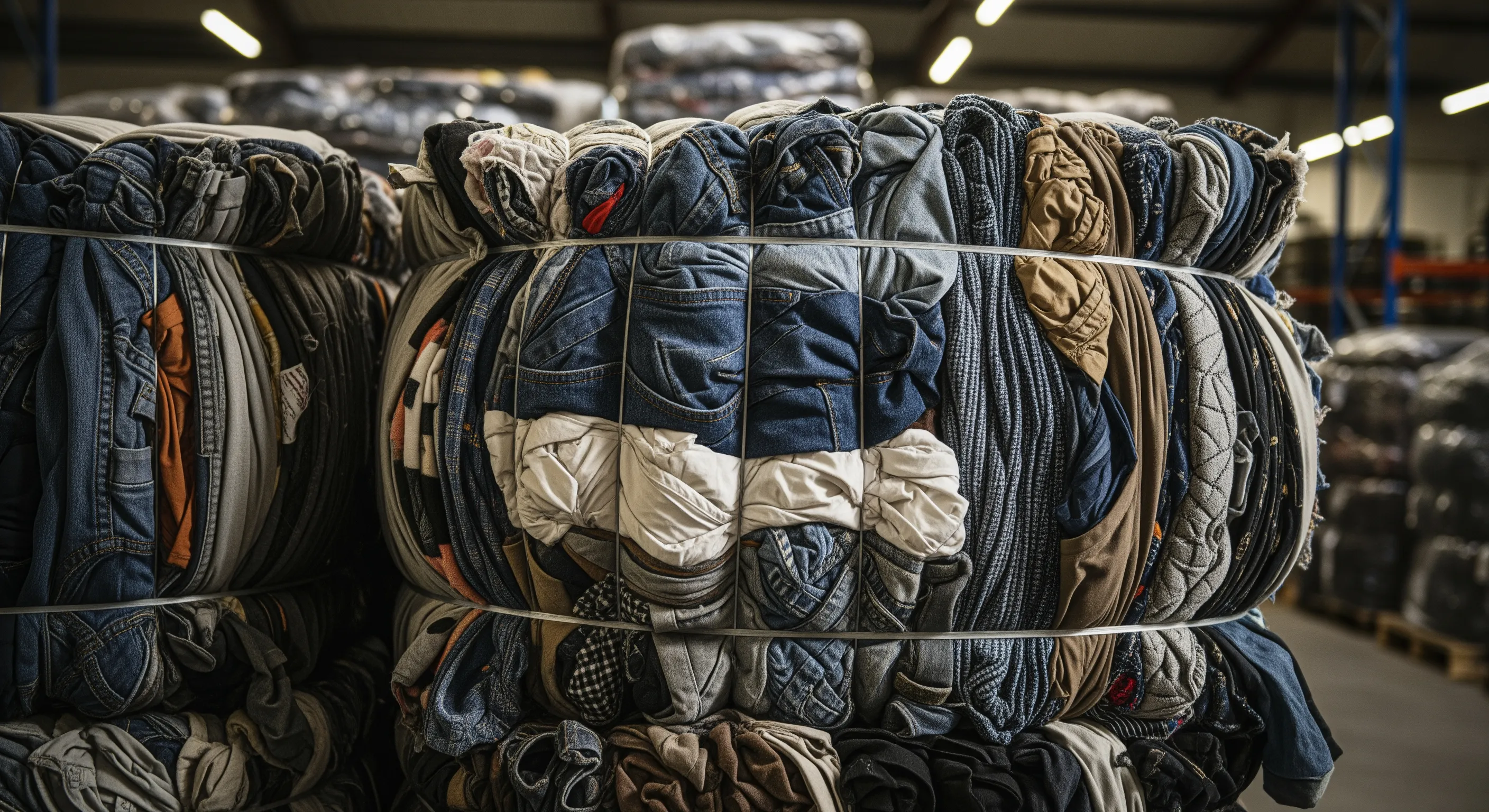
Italy boasts various significant players in the wholesale clothing market, particularly in the second-hand sector. Brands renowned for their quality and diverse offerings play a critical role in this ecosystem. Collaborating with these key players ensures that you are accessing high-quality bulk clothing suitable for resale.
Many of these suppliers specialize in specific segments, such as vintage collections or branded mixes. Understanding their unique offerings can aid in aligning your purchasing strategy with market demand.
Pro tip: Research key players in the market and their specialties to tailor your orders effectively.
Various Product Types Available
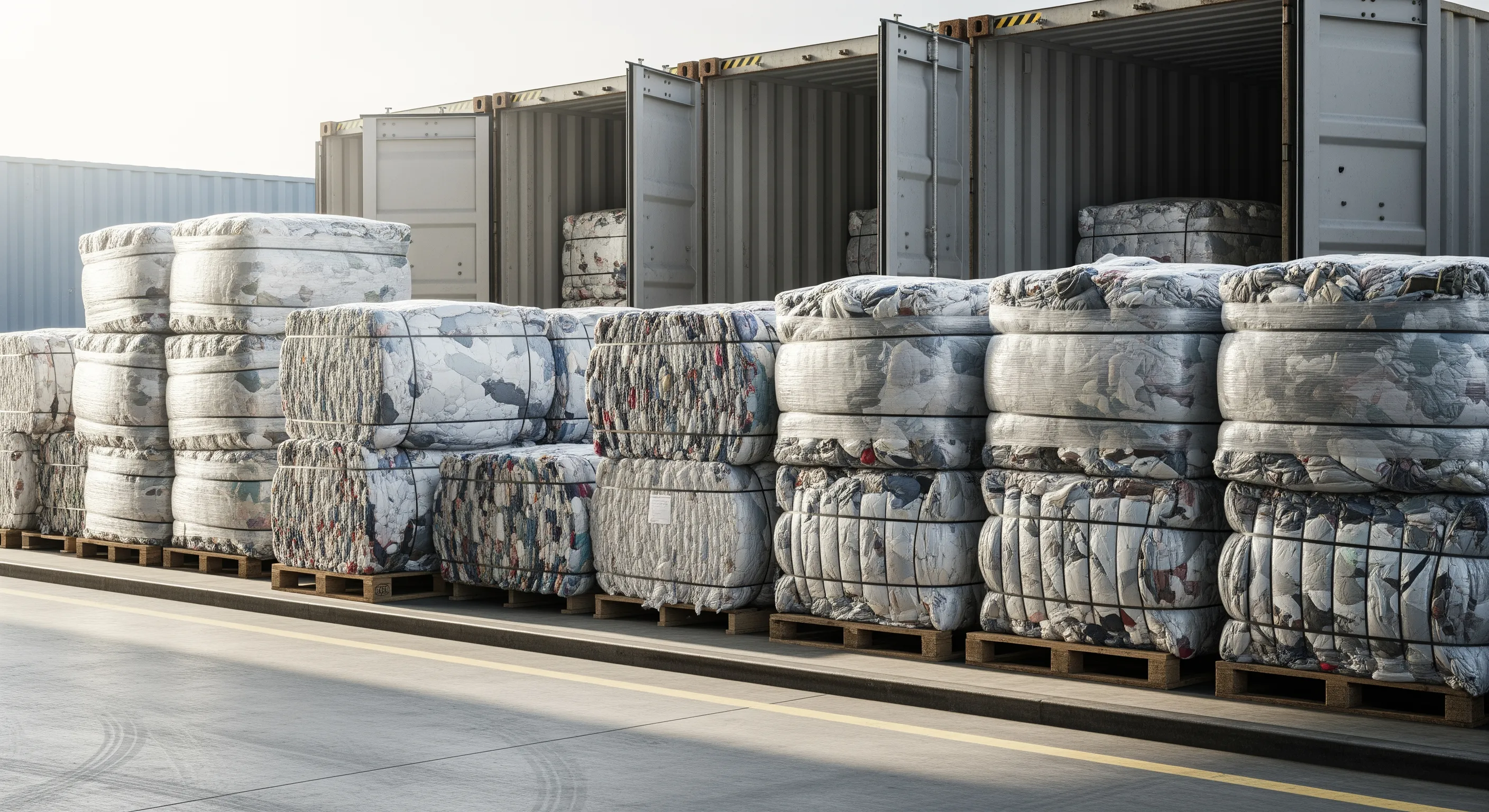
Understanding the different types of second hand clothing available is essential for trade buyers. Common categories include casual wear, formal attire, and seasonal clothing items. Many suppliers provide distinctive vintage collections that appeal to niche markets.
Branded mixes offer another layer of opportunity, as they often include well-known labels that can significantly enhance resale value. By diversifying your inventory with various product types, you can cater to a broader audience.
Pro tip: Curate a mix of product types to boost appeal to diverse customer segments.
Logistics and Customs Considerations
Logistics is a crucial aspect of importing second hand clothes into various European countries. Understanding timelines and procedures for customs clearance can help streamline the process. Working with experienced logistics partners can alleviate concerns over regulatory compliance and ensure that your shipments arrive promptly.
Additionally, it's essential to stay updated on any changes to customs regulations to avoid potential delays in your supply chain. Clarity on shipping methods and their respective costs will also support effective budgeting.
Pro tip: Partner with logistics experts familiar with the specific customs regulations of your target markets.
Cost Structure and Minimum Order Quantities
The cost structure for wholesale second hand clothes can vary significantly based on product type, supplier, and market demand. Minimum order quantities (MOQ) typically range around 150 kg, which allows for a manageable inventory size while catering to wholesale needs.
Understanding the pricing models and any additional costs, such as shipping, handling, and import fees, can improve your budgeting and financial planning. Clear communication with suppliers regarding cost expectations will help avoid unexpected expenses.
Pro tip: Factor in all associated costs to ensure profitable pricing for your resale.
Risk Mitigation Strategies
Managing risks when sourcing second hand clothing is critical for maintaining successful operations. Common issues include quality discrepancies, supply chain disruptions, and unexpected customs delays. It’s vital to develop strategies that address these concerns.
One effective approach is to build relationships with multiple suppliers to diversify your sources. This can mitigate the impact of disruptions from any single supplier, enhancing your overall resilience.
| Risk | Cause | Mitigation |
|---|---|---|
| Quality Discrepancies | Inconsistent grading standards | Develop clear quality expectations and perform regular checks. |
| Supply Chain Disruptions | Single supplier dependency | Diversify supplier base to enhance reliability. |
| Customs Delays | Regulatory changes | Stay informed on customs regulations and partner with experts. |
| Unexpected Costs | Hidden fees | Communicate clearly about costs with suppliers. |
Pro tip: Keep a proactive approach to risk management by regularly assessing your suppliers and their reliability.
Unlock Reliable EU Stock and Faster Reorders with Italy Branded Wholesale Supply
For trade buyers who need consistent branded mixes, transparent grading, and export-ready paperwork, explore Italy Secondhand at italysecondhand.com. If you want a quick recommendation based on volumes, target category, and delivery country, contact the team here: Contact Us.
Frequently Asked Questions
What types of clothing can I find through Italian wholesalers?
You can find a diverse range of second hand and vintage clothing, including casual wear, formal attire, and branded mixes.
How can I ensure quality when ordering?
Always engage with suppliers who provide clear grading standards and allow for facility visits.
What is the typical minimum order quantity?
Most suppliers require a minimum order of around 150 kg.
How should I address customs regulations?
Partner with logistics experts to navigate customs clearance efficiently and stay updated on regulatory changes.