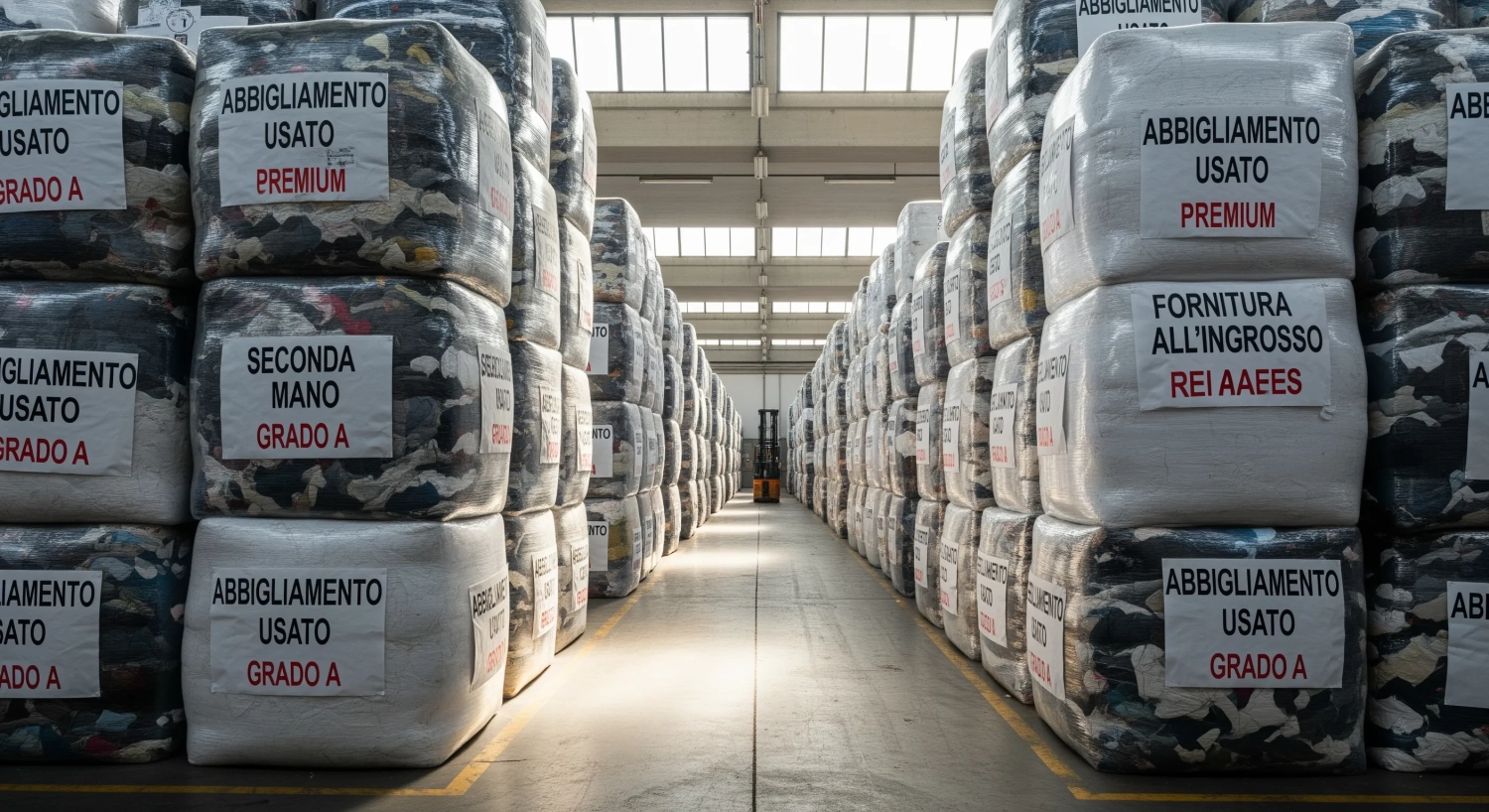
Wholesale second hand clothes are an increasingly popular choice for businesses across Europe looking to diversify their offerings. By sourcing quality bulk supplies from Italy, trade buyers can benefit from high-quality branded and vintage clothing mixes. This article provides insights into effective sourcing strategies to ensure you maximize value, maintain quality, and streamline logistics.
Table of Contents
- Understanding the Market for Wholesale Second Hand Clothes
- Choosing the Right Supplier
- Assessment and Quality Control
- Logistics and Export Operations
- Managing Risk in Sourcing
- The Benefits of Wholesale Second Hand Clothes
Understanding the Market for Wholesale Second Hand Clothes
As the demand for sustainable fashion grows, understanding the market dynamics of wholesale second hand clothes is crucial. Trade buyers from Europe are increasingly looking for reliable suppliers that can provide not just products but also transparency in sourcing. This trend reflects a shift towards environmentally conscious purchasing and can lead to stronger consumer engagement.
Market research shows a growing interest in vintage and branded clothing mixes, which can offer unique selling points for resellers. Leveraging insights from industry reports can help position your business effectively in this competitive landscape.
Pro tip: Regularly analyze market trends to stay ahead of competitors and meet your customers' demands.
Choosing the Right Supplier
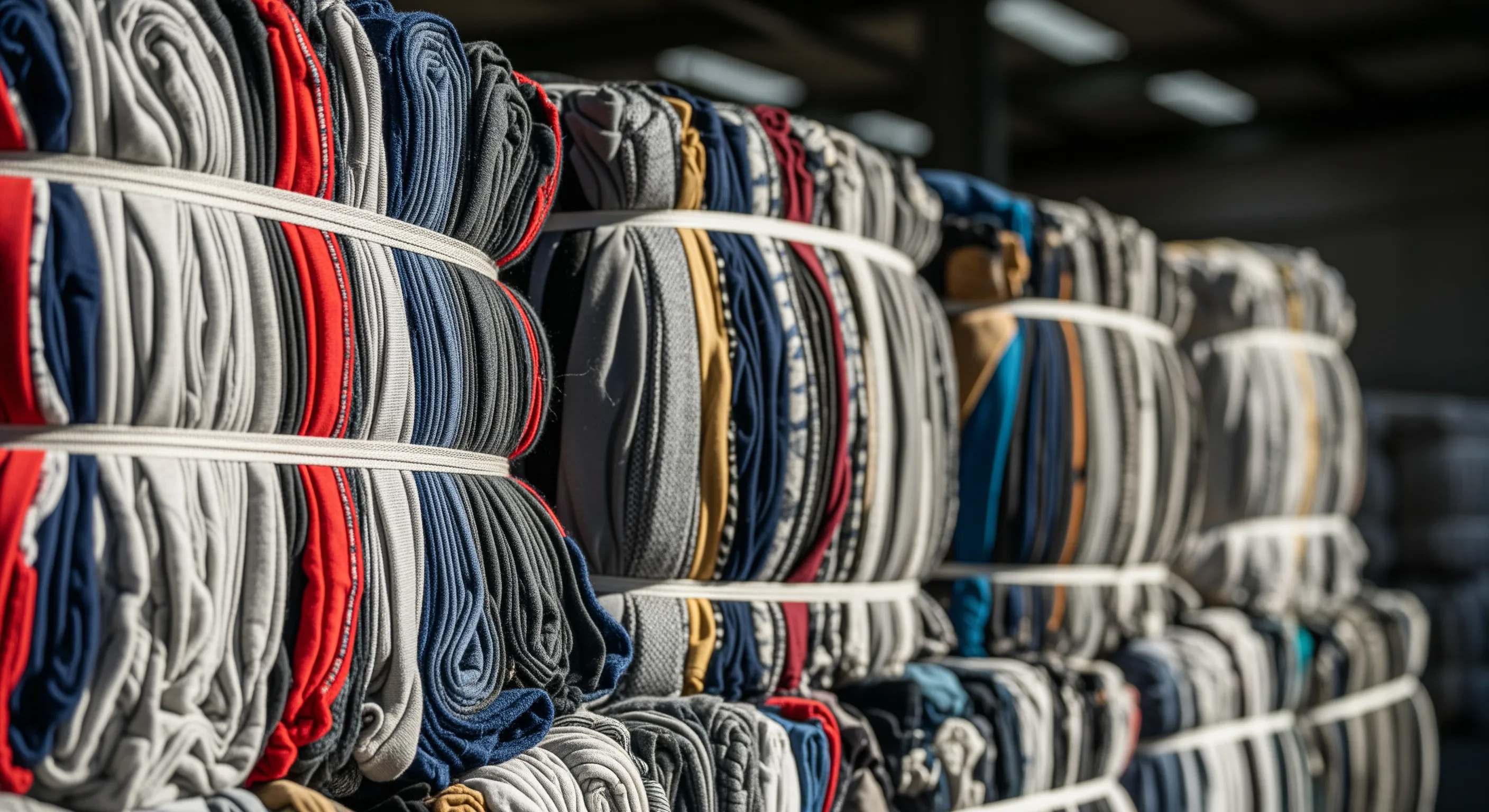
Selecting a trustworthy supplier is fundamental for ensuring the quality and reliability of your wholesale second hand clothing. Look for suppliers that offer transparent grading and sorting processes, as well as those located within easy reach for logistics purposes. Scrutinizing supplier reviews and seeking recommendations can aid in this decision-making process.
Furthermore, visiting the supplier's facility, if possible, allows you to assess their operations firsthand. This can build confidence in their capabilities and compliance with export regulations.
Pro tip: Establish a strong communication channel with suppliers for quick resolution of any issues that may arise.
Assessment and Quality Control
Quality control in sourcing second-hand clothes is essential to meet customer expectations. Ensure that your supplier implements stringent quality assessments before shipment. Look for B2B suppliers that perform in-house sorting and quality control to guarantee that only the best items are included in your orders.
Implementing your own quality checks upon receipt helps to maintain standards and can prevent future headaches with returns or customer dissatisfaction. Utilizing third-party quality assessments can also enhance credibility with your customers.
Pro tip: Consider using software for tracking quality control metrics to improve operational efficiency.
Logistics and Export Operations
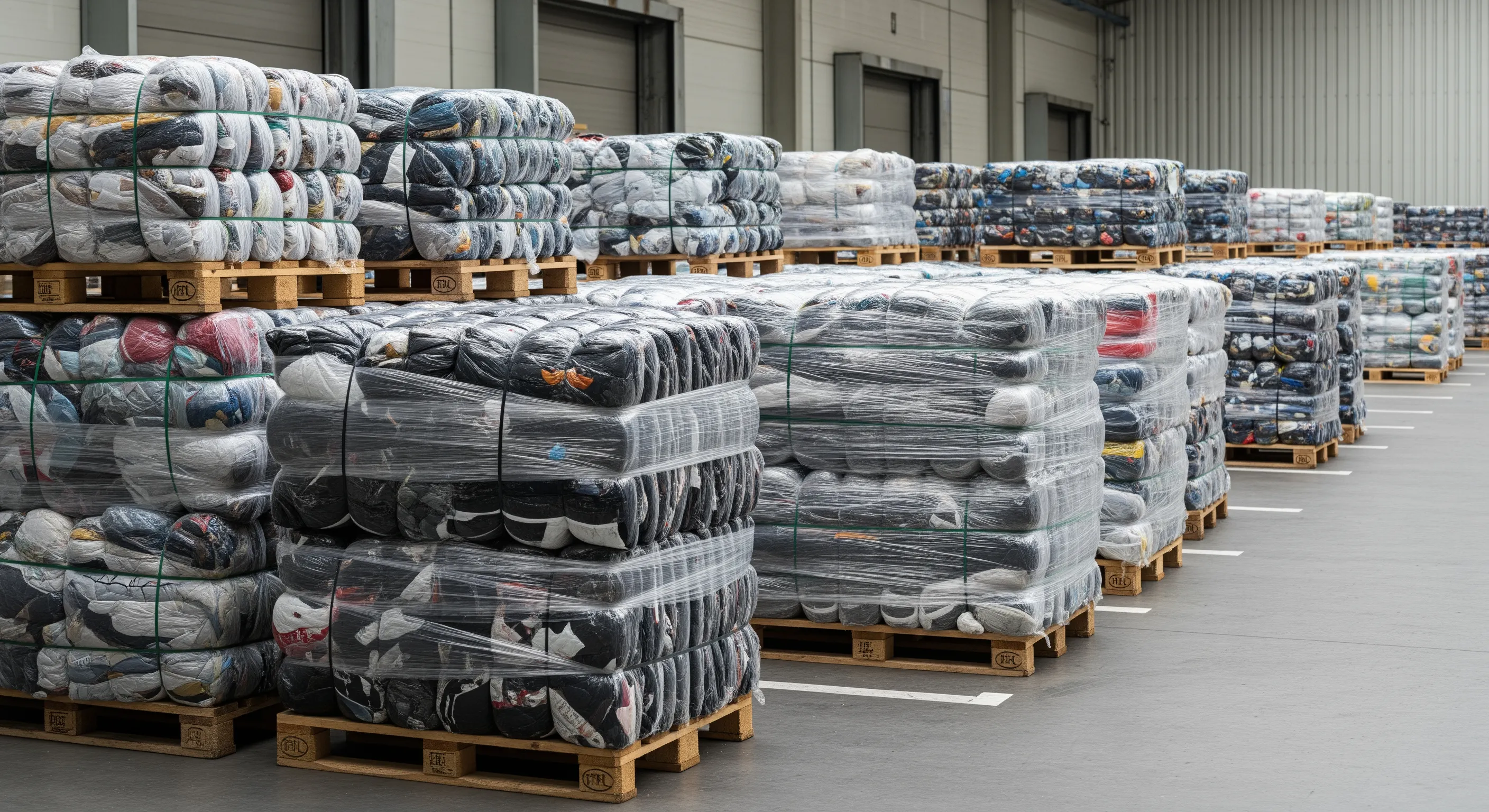
Efficient logistics and export operations help ensure timely delivery of your wholesale second-hand clothing. Familiarize yourself with customs documentation requirements for various countries, as compliance can prevent costly delays. A well-structured logistics strategy can optimize your supply chain efficiency.
Utilizing advanced logistics partners may streamline shipments and facilitate tracking. Understanding your shipping options, including costs and estimated timelines, is critical for trade buyers aiming for smooth operational flow.
Pro tip: Develop relationships with freight forwarders to enhance your logistics capabilities and reduce costs.
Managing Risk in Sourcing
To mitigate risks associated with sourcing wholesale second-hand clothes, it is essential to develop a comprehensive risk management strategy. Consider factors such as product quality, supplier reliability, and changes in market demand to inform your sourcing decisions. Maintaining open lines of communication with suppliers can help address potential issues early.
Integrating robust insurance options into your logistics plan also provides an additional safety net against unforeseen challenges during transportation.
Pro tip: Create a risk assessment framework to evaluate potential suppliers before entering contracts.
The Benefits of Wholesale Second Hand Clothes
Wholesale second hand clothes offer several advantages, including competitive pricing and the opportunity to capitalize on the growing eco-conscious market. As sustainability becomes a priority for consumers, sourcing second-hand clothing provides an avenue for businesses to align with these values and attract a broader customer base.
Additionally, offering unique vintage pieces can differentiate your business from competitors and strengthen customer loyalty.
Pro tip: Promote the sustainability aspect of your products to appeal to environmentally-conscious consumers.
Unlock Reliable EU Stock and Faster Reorders with Italy Branded Wholesale Supply
For trade buyers who need consistent branded mixes, transparent grading, and export-ready paperwork, explore Italy Secondhand at italysecondhand.com. If you want a quick recommendation based on volumes, target category, and delivery country, contact the team here: Contact Us.
Frequently Asked Questions
How do I ensure quality in wholesale second hand clothes?
Establish clear quality control protocols and regularly assess supplier performance.
What are the benefits of sourcing from Italy?
Italy is known for high-quality clothing, diverse styles, and a strong market for vintage goods.
Can I visit the suppliers' facility?
Visiting suppliers directly can enhance trust and understanding of operations.
How can I manage logistics effectively?
Engage with experienced logistics partners and understand customs requirements to streamline operations.