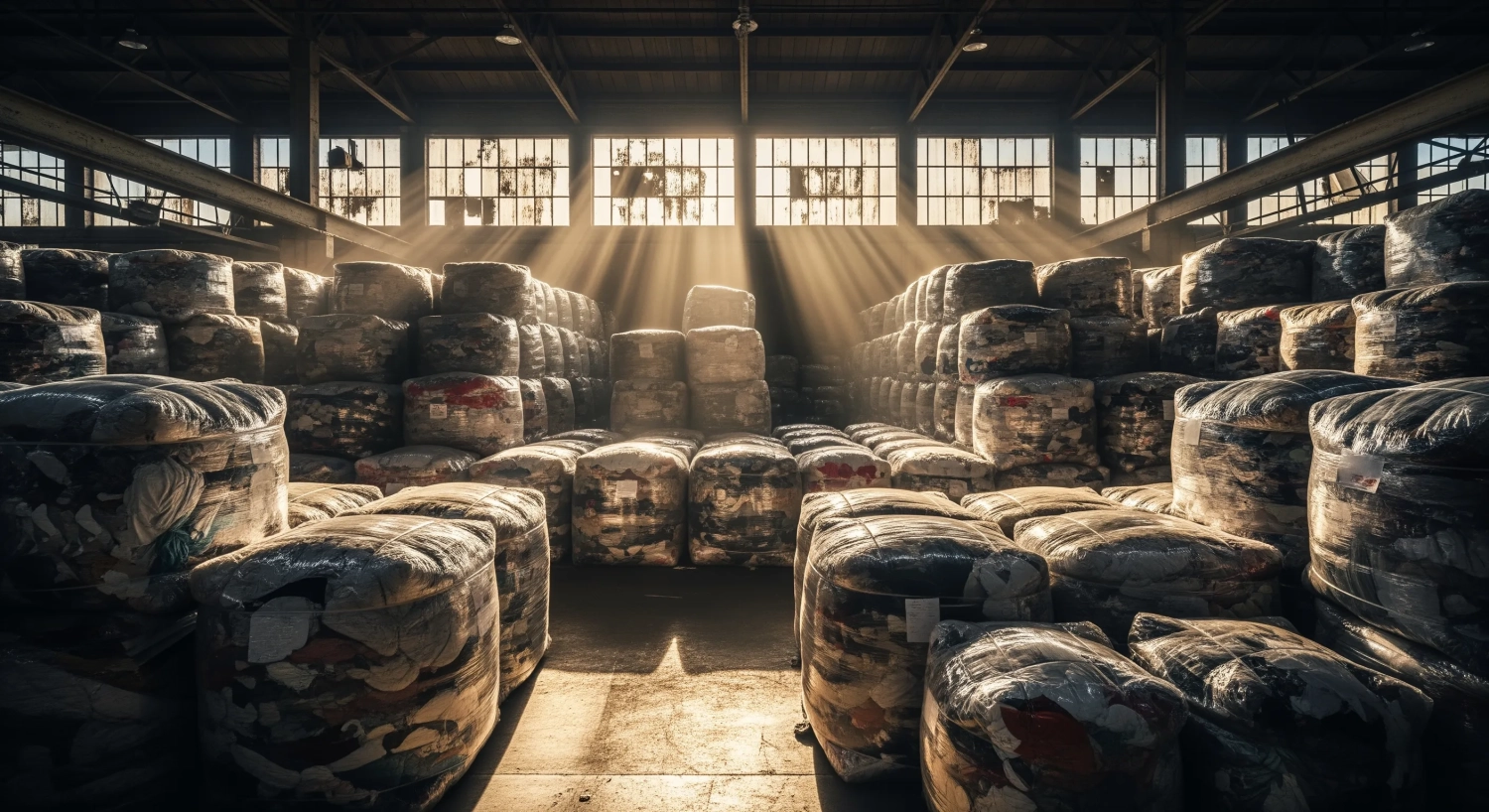
When it comes to sourcing wholesale used clothes in Europe, trade buyers can unlock remarkable opportunities. Italy Secondhand specializes in providing bulk options of second-hand clothing, ensuring exceptional quality and competitive pricing. This greatly benefits resellers looking for sustainable, branded mixes without compromising on value. With transparent lots and comprehensive export readiness, our offerings are tailored to meet the specific needs of European wholesalers and store owners.
Table of Contents
- What Makes Europe the Best Source for Used Clothing?
- Understanding Bulk Clothing Purchase
- Import Regulations and Logistics
- Custom Examination and Quality Control
- Navigating Risks in Used Clothing Wholesale
- Future of Second-Hand Clothing Market
What Makes Europe the Best Source for Used Clothing?
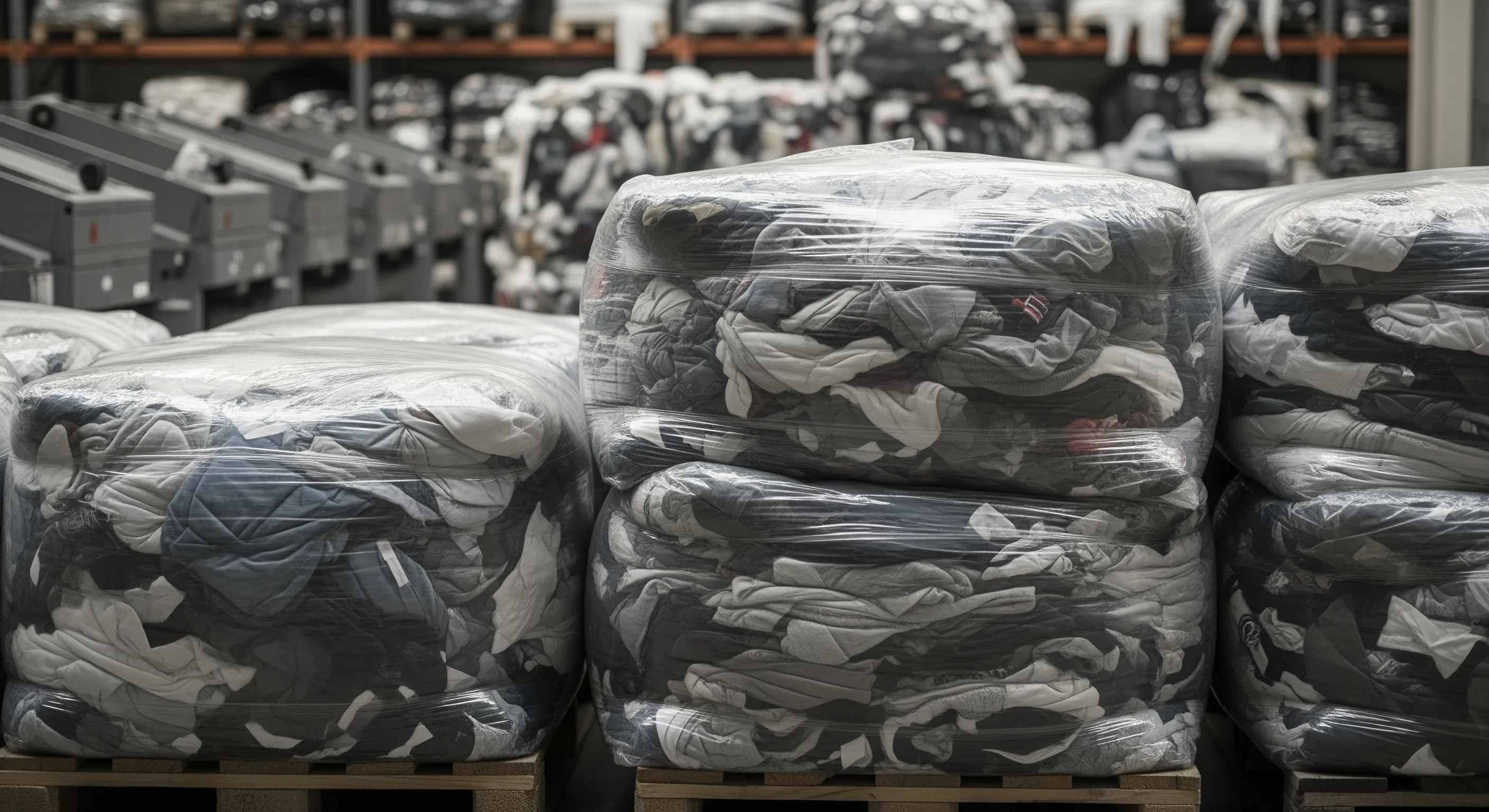
Europe's used clothing market is renowned for its quality, variety, and sustainability. Countries like Italy lead the way, offering unique styles and reputable brands that capture consumer interest. The combination of in-house sorting and quality checks ensures that buyers receive premium items that can quickly sell in their respective markets. According to EU trade data, Europe is a significant player in the second-hand clothing market, and Italy's position is undeniable.
The Italian approach to second-hand clothing encourages resellers to tap into an eco-conscious consumer base that values sustainability. This makes Europe, and particularly Italy, the ideal source for buyers seeking high-quality, ethically sourced merchandise.
Pro tip: Consider focusing on trending styles in your target market to maximize resale potential.
Understanding Bulk Clothing Purchase
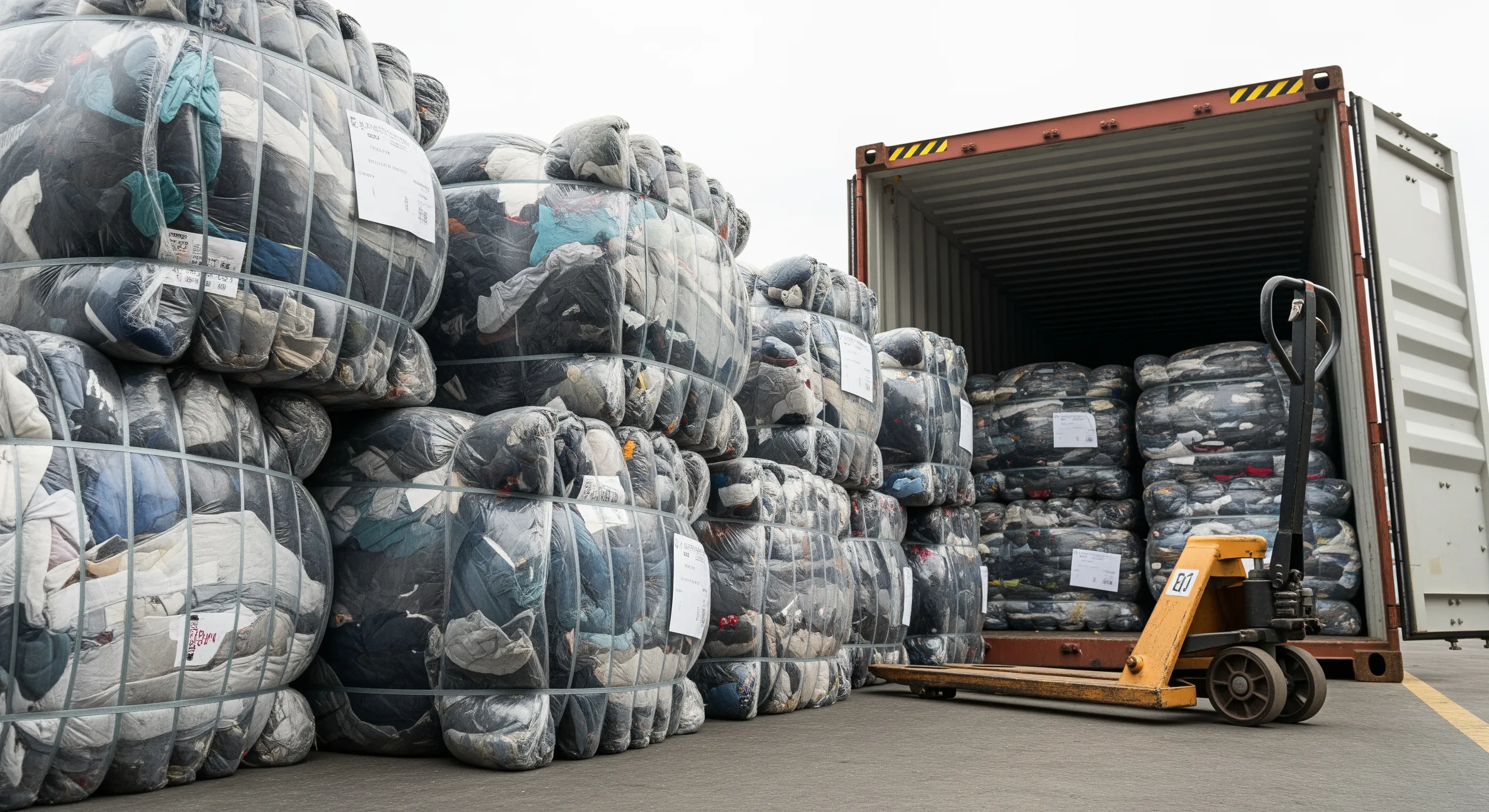
Purchasing bulk clothing involves understanding minimum order quantities (MOQ) and grading systems, crucial for trade buyers looking to maximize profit margins. Grading typically involves assessing the quality of the clothing, which directly influences pricing strategies and sales outcomes. A detailed overview of various MOQ structures can be found in an industry report.
By knowing the nuances of grading, buyers can ensure they're investing in items that will perform well in their specific market context, thereby reducing risks and enhancing profitability.
Pro tip: Keep an eye on regional fashion trends so you can adapt your inventory accordingly.
Import Regulations and Logistics
Understanding the import regulations for used clothing is essential for trade buyers. As regulations can vary significantly between countries, it is advisable to stay updated with the latest customs guidelines. Furthermore, successful logistics management ensures that items move efficiently from suppliers to warehouses.
Buyers should consult customs guidance resources to navigate the complexities of importing used clothing into their respective countries.
Pro tip: Establish strong relationships with logistics partners to streamline the import process.
Custom Examination and Quality Control
Quality control is critical in the used clothing industry, particularly during custom examinations. Buyers should focus on creating robust quality assurance protocols to ensure that their shipments meet local standards and customer expectations. Implementing third-party inspections can add an additional layer of security.
Utilizing in-house quality control measures can enhance customer trust, ultimately leading to increased sales and repeat business.
Pro tip: Regularly review your quality control procedures to maintain high standards.
Navigating Risks in Used Clothing Wholesale
Risk management is vital for successful wholesale operations in the second-hand clothing sphere. Identifying potential issues, such as market fluctuations or inventory misalignment, can help mitigate these risks. Creating an effective risk mitigation strategy is essential for maintaining profitability.
| Practical Risk | Cause | Mitigation |
|---|---|---|
| Market Volatility | Changing consumer preferences | Diverse inventory to reduce reliance on specific styles |
| Supply Chain Disruptions | Global shipping delays | Establish multiple supplier options |
| Quality Issues | Inconsistent grading | Implement strict quality control checks |
| Regulatory Changes | Shifting import laws | Stay informed about legal updates |
Pro tip: Regular risk assessments can save your business from potential pitfalls.
Future of Second-Hand Clothing Market
The future looks bright for the second-hand clothing market, with a projected increase in demand driven by sustainability trends. Trade buyers are encouraged to invest in robust business models that adapt to changing consumer behaviors. Understanding shifting market dynamics will allow resellers to capitalize on emerging opportunities.
Investing in technology and data-driven approaches could set businesses apart in an increasingly competitive marketplace.
Pro tip: Engage with your customer base to understand their evolving preferences.
Unlock Reliable EU Stock and Faster Reorders with Italy Branded Wholesale Supply
For trade buyers who need consistent branded mixes, transparent grading, and export-ready paperwork, explore Italy Secondhand at italysecondhand.com. If you want a quick recommendation based on volumes, target category, and delivery country, contact the team here: Contact Us.
Frequently Asked Questions
What is the minimum order quantity for wholesale used clothing?
The minimum order quantity varies between suppliers, so it's essential to inquire before ordering.
How do I ensure quality when purchasing used clothes?
Implement a robust quality control system and conduct in-person inspections if possible.
Are there specific customs regulations for importing used clothing?
Yes, regulations differ by country; always check local laws before importing.
What are the future prospects for the used clothing market?
With increasing sustainability awareness, the market is projected to grow significantly in the coming years.