
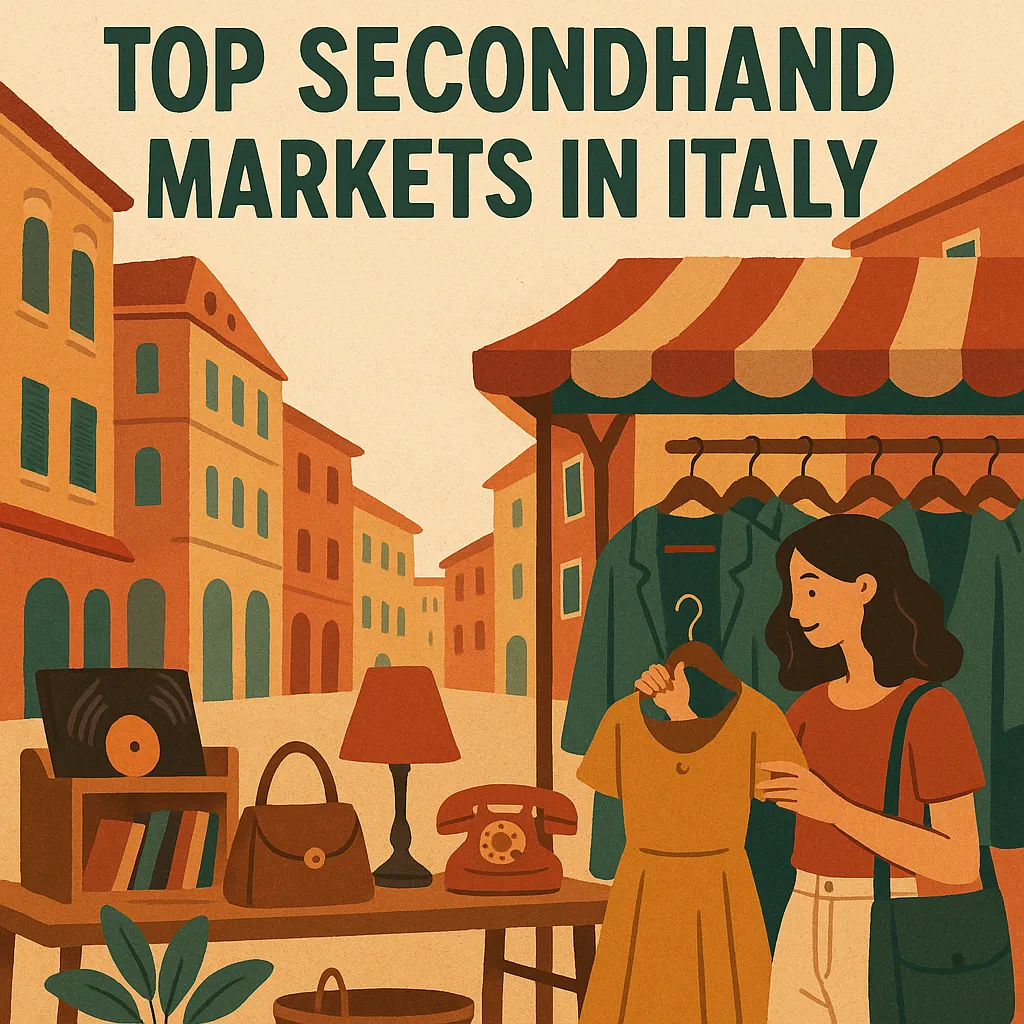
A Thrifter’s Guide: Top Secondhand Markets in Italy
A Thrifter’s Guide: Top Secondhand Markets in Italy is essential for anyone craving unique finds and vintage treasures. Italy boasts a vibrant culture steeped in history, and its secondhand markets are a testament to this rich heritage. From bustling city squares to quaint village corners, these markets offer an array of items that tell stories of the past. Whether you're searching for vintage clothing, handmade crafts, or rare antiques, Italy's secondhand markets provide endless opportunities for discovery. This guide will lead you through some of the best markets in the country, each with its distinct charm and offerings. Prepare to explore the hidden gems of Italy's thrift scene!
Exploring the Heart of Rome's Thrift Culture
Rome is not only known for its iconic architecture and rich history but also for its vibrant secondhand markets that reflect the city's eclectic spirit. One of the must-visit places is Porta Portese, a sprawling Sunday flea market where you can find everything from vintage clothing to rare vinyl records. It's a treasure trove for thrifters, with hundreds of vendors offering unique items at negotiable prices. Just a short distance away is the Mercato Monti, a trendy market that combines vintage fashion with artisanal crafts. Here, you can discover one-of-a-kind pieces, from retro outfits to handcrafted jewelry, all while enjoying the lively atmosphere filled with music and local food stalls. Another noteworthy spot is the Via dei Coronari, where charming antique shops line the streets, showcasing exquisite furniture and decor items that reflect Roman history. Exploring these markets not only allows you to shop sustainably but also provides insight into the local culture and lifestyle.
Florence: A Vintage Paradise
Florence, renowned for its art and history, also offers a remarkable secondhand shopping experience for thrifters. The city is home to the famous Mercato delle Pulci, or the Flea Market, which features a diverse selection of vintage clothing, antiques, and handmade crafts. Held in the picturesque Piazza dei Ciompi, this market is a paradise for those seeking unique fashion pieces and historical artifacts. Be sure to visit during the weekends when the market is buzzing with activity, and vendors display their best wares. Additionally, Florence's vintage boutiques, such as Cavalli e Nastri, curate collections that blend contemporary fashion with timeless styles. This boutique showcases designer pieces alongside affordable finds, making it accessible for all budgets. As you stroll through Florence’s cobblestone streets, you'll find that each corner holds the potential for discovery, and the charm of its secondhand markets adds to the city's allure.
Venice: Unique Finds Amidst the Canals
In Venice, the secondhand market scene is as enchanting as the city itself. The Mercatino dell'Antiquariato, held monthly along the Grand Canal, features an array of antiques, vintage jewelry, and rare books. The market's setting provides a picturesque backdrop for thrifting, allowing visitors to browse through stalls while enjoying stunning views of the canals. Venice's unique charm is further reflected in its myriad of small antique shops scattered throughout the city, where you can find everything from Murano glass to vintage masks. Another hidden gem is the Campo Santa Margherita market, where local vendors sell secondhand clothing and handmade goods, fostering a sense of community among thrifters. Shopping in Venice's secondhand markets offers not only the thrill of finding beautiful items but also an opportunity to engage with the city's rich cultural tapestry.
The Impact of Secondhand Shopping on Sustainability
The rise of secondhand shopping aligns with a growing awareness of sustainability and environmental consciousness. By choosing to buy secondhand, thrifters contribute to reducing waste and promoting a circular economy. In Italy, this movement has gained momentum as more people recognize the value of pre-loved items. Secondhand markets help extend the life cycle of products, preventing them from ending up in landfills. Additionally, these markets support local artisans and vendors, fostering a sense of community and encouraging sustainable practices. Italy's secondhand markets not only provide unique shopping experiences but also serve as a platform for promoting eco-friendly choices. As thrifting continues to gain popularity, it empowers consumers to make conscious decisions that positively impact the environment while enjoying the thrill of discovery.
Building Connections Through Thrifting
Secondhand markets in Italy are more than just places to shop; they are vibrant social hubs where connections are made. As you browse through stalls, you'll encounter fellow thrifters and passionate vendors eager to share stories about the items they sell. This sense of camaraderie enriches the shopping experience, transforming it into a cultural exchange. Many vendors are knowledgeable about the history of their products, offering insights that add depth to your finds. Engaging with locals at these markets allows you to learn about the region's culture, traditions, and craftsmanship. Additionally, attending workshops or events hosted within these markets can deepen your understanding of sustainable practices and the art of thrifting. The connections forged through shared interests in secondhand shopping foster a community that celebrates creativity, sustainability, and individuality.
Sourcing Unique Decor for Your Home
Thrifting in Italy is particularly rewarding for those interested in sourcing unique home decor. Many secondhand markets feature vintage furniture, decorative items, and eclectic art pieces that can add character to any space. For instance, in Milan, the Navigli District hosts numerous antique shops that showcase exquisite mid-century modern pieces and retro decor. Scoring a vintage lamp or an ornate mirror can turn your living space into a stylish sanctuary. Moreover, the charm of these items often lies in their stories; each piece carries a history that adds to your home’s narrative. Whether you're decorating a new apartment or seeking to refresh your current space, secondhand markets provide an array of options that are not only budget-friendly but also environmentally conscious. By choosing vintage decor, you contribute to a more sustainable lifestyle while creating a unique aesthetic that reflects your personal style.
FAQ
What is A Thrifter’s Guide: Top Secondhand Markets in Italy?
A Thrifter’s Guide: Top Secondhand Markets in Italy is an essential resource for anyone looking to explore the vibrant secondhand market scene in Italy. This guide highlights the best markets across various cities, showcasing unique finds from vintage clothing to antiques. It aims to provide insights into each market's atmosphere, popular items, and cultural significance, making it easier for thrifters to navigate and enjoy their shopping experiences. Whether you are a local or a tourist, this guide will help you uncover hidden treasures while supporting sustainable shopping practices.
How do I find the best secondhand markets in Italy?
Finding the best secondhand markets in Italy involves a bit of research and exploration. Start by checking local listings and travel blogs that recommend popular markets in specific cities. Social media platforms can also be valuable resources, as many vendors promote their stalls online. Additionally, speaking with locals can provide insider tips on lesser-known markets that may not be widely advertised. Visiting during weekends or special events can enhance your experience, as many markets are more vibrant and offer a wider selection of items. Be open to wandering through different neighborhoods, as unique finds can often be hidden in unexpected places.
What types of items can I find in Italy's secondhand markets?
Italy's secondhand markets offer a diverse range of items that cater to various tastes and interests. You can find vintage clothing, unique accessories, antique furniture, rare books, and artisanal crafts. Many markets also feature handmade goods, local art, and collectibles that reflect the region's culture. Each market has its own character, with some focusing on fashion while others emphasize antiques or handmade products. This variety makes thrifting in Italy an exciting adventure, as you never know what treasures you might uncover during your visit.
Are secondhand markets in Italy affordable?
Yes, secondhand markets in Italy are generally affordable, offering a wide range of items at varying price points. While some vintage pieces or antiques may be priced higher due to their uniqueness and age, many vendors are open to negotiation, making it possible to score great deals. Additionally, shopping secondhand allows you to find quality items without the premium price tag often associated with new products. This affordability, combined with the thrill of discovery, makes thrifting a popular option for both locals and visitors looking for budget-friendly shopping experiences.
Can I sell items at secondhand markets in Italy?
Yes, many secondhand markets in Italy allow individuals to sell their items. However, the process may vary depending on the market's regulations. Some markets require vendors to register in advance, while others operate on a first-come, first-served basis. It's essential to check the specific rules for each market before attempting to sell. Additionally, preparing your items for sale by ensuring they are clean and in good condition can enhance your chances of making successful sales. Participating in these markets not only allows you to declutter but also connects you with the vibrant community of thrifters.
If you are inspired to explore more about secondhand treasures, visit our blog for tips and stories, or contact us for more information about our services. Happy thrifting!
Disclaimer: The information provided in this guide is for educational purposes only. Please verify details before planning your visit.