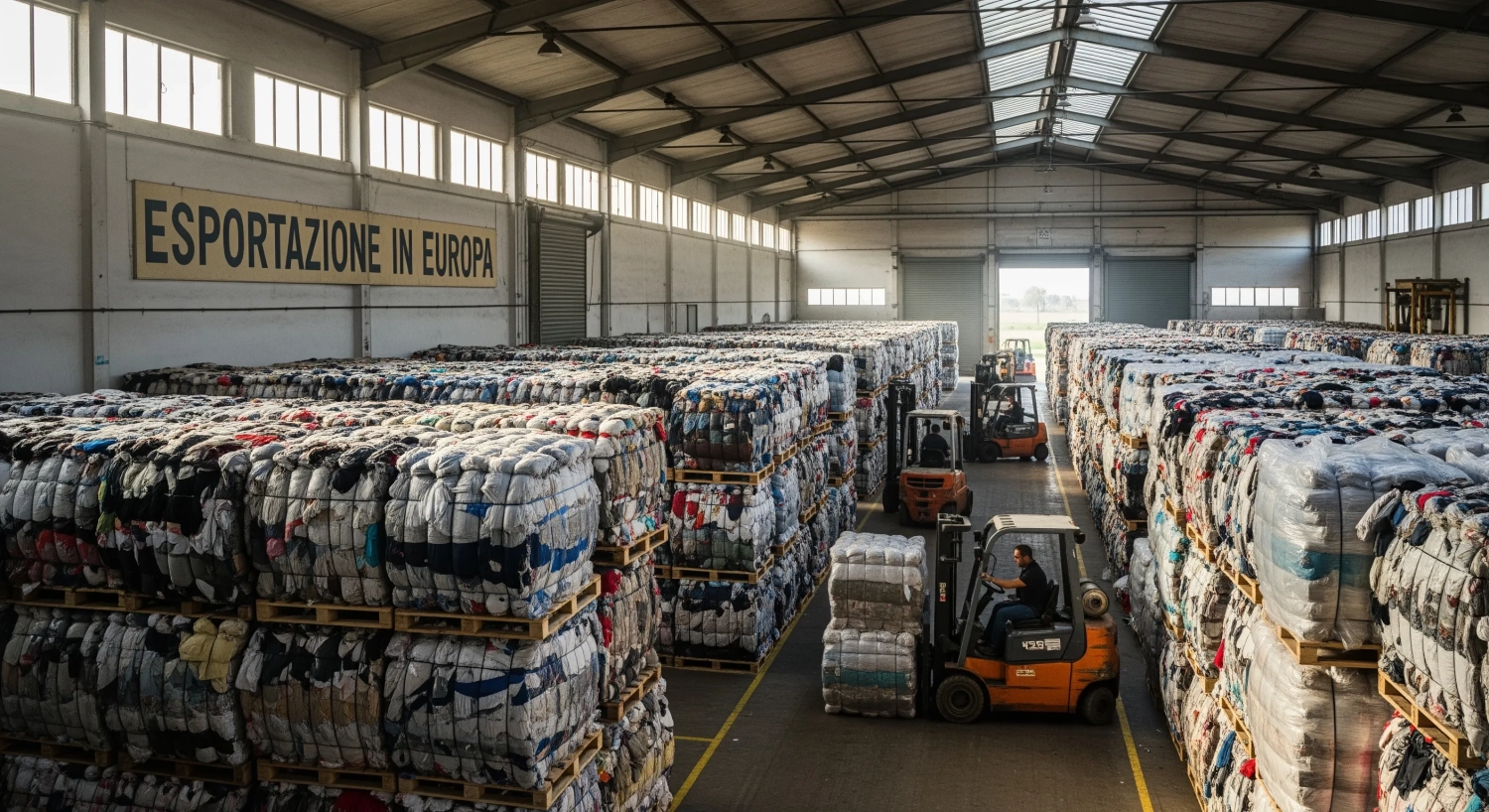
As the demand for sustainable fashion grows, B2B buyers in Europe are increasingly turning to second-hand clothing as a viable wholesale option. Italy, renowned for its fashion heritage, offers a range of top-quality second-hand clothing suppliers. With the right partners, businesses can access bulk stocks of branded mixes and vintage clothing, all while ensuring compliance with export regulations and maintaining quality standards. This guide details the best options for second hand clothes wholesale in Europe.
Table of Contents
- Understanding the Market for Second Hand Clothes
- Benefits of Sourcing Second Hand Clothes
- Top Suppliers of Second Hand Clothes in Europe
- The Importance of Quality Control
- Logistics and Export Considerations
- Maximizing Profit with Bulk Second Hand Clothes
Understanding the Market for Second Hand Clothes
The European market for second-hand clothing is expanding rapidly, driven by increased consumer awareness of sustainability and ethical sourcing. B2B buyers benefit from a diverse range of products, including vintage clothing and branded mixes, catering to the growing demand from eco-conscious consumers. As noted by the EU fashion report, the second-hand clothing market is projected to grow significantly in the coming years.
In addition to sustainability, buyers are looking for transparency in sourcing and quality. This has led to an increase in suppliers who offer precisely packed lots instead of blind bags, thus allowing businesses to assess inventory before purchasing. Businesses are encouraged to connect with reputable suppliers to secure reliable stocks.
Benefits of Sourcing Second Hand Clothes
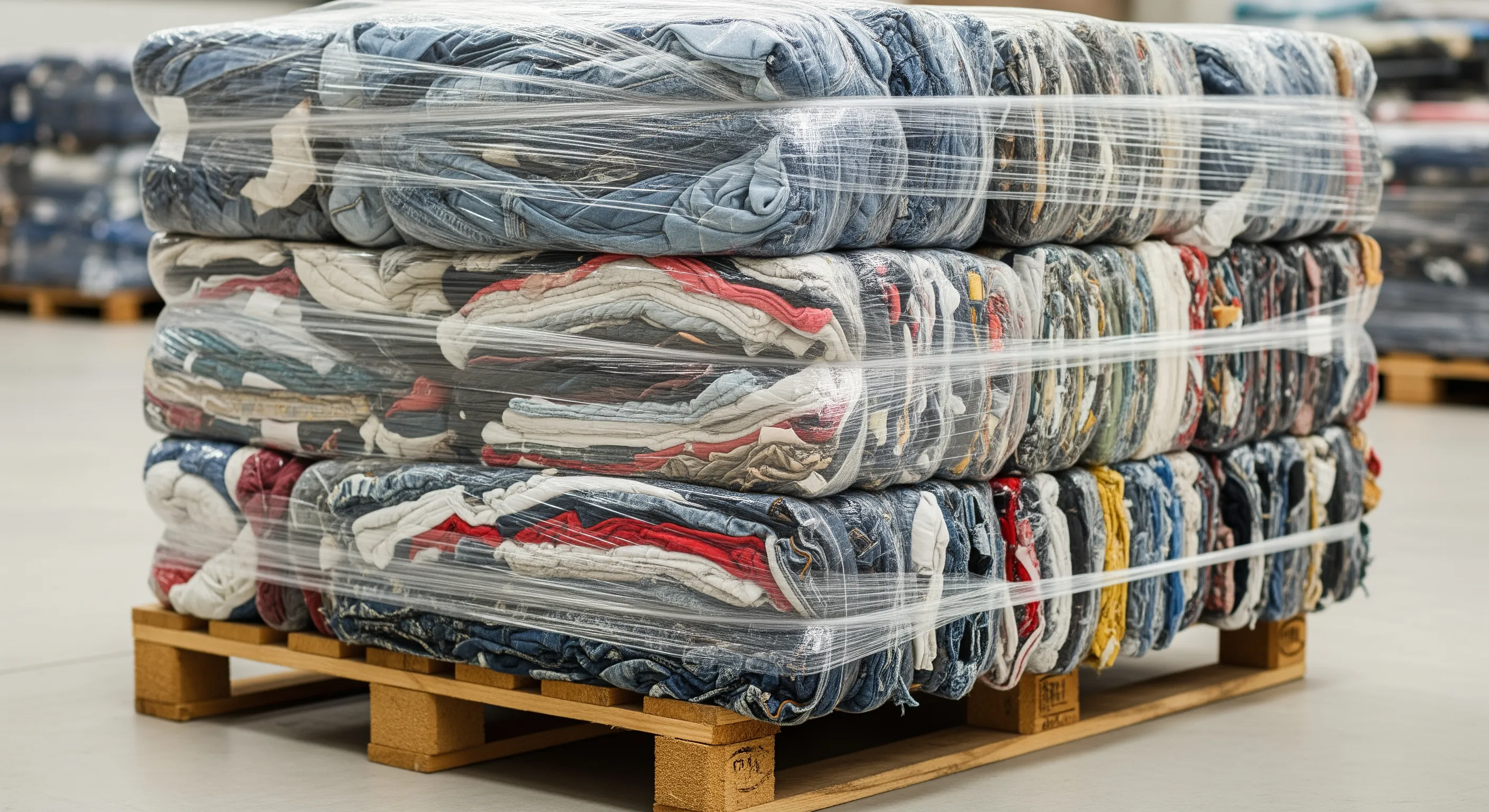
Sourcing second-hand clothes wholesale offers numerous advantages to B2B buyers. Firstly, it allows businesses to stock unique and vintage pieces, setting them apart from competitors. Consequently, brands benefit from increased customer loyalty and higher average order values.
Moreover, purchasing in bulk usually translates to lower costs per unit. This enables wholesalers to maintain competitive pricing while maximizing their profit margins. Additionally, buyers have the flexibility to select clothing based on specific trends and consumer demand.
Top Suppliers of Second Hand Clothes in Europe
Italy Secondhand stands out as a reliable supplier of high-quality second-hand clothing in Europe. They specialize in branded mixes and vintage clothing, offering transparent lots for business buyers. Their unique sorting and grading processes ensure that customers receive only the best quality items.
Other reputable suppliers in Europe include established wholesalers known for their consistently high quality and diverse product offerings. Buyers are encouraged to research and compare suppliers to make informed decisions about their purchases while considering customs guidance to facilitate smoother transactions.
The Importance of Quality Control
Quality control is crucial when sourcing second-hand clothing. Buyers need assurance that the products are suitable for resale and meet customer expectations. Reputable suppliers follow stringent quality checks and provide documentation to confirm the condition of the goods.
To mitigate risks, businesses should implement their quality control protocols and understand the grading of their supplies. Understanding standards and certifications is essential for avoiding product rejections and ensuring customer satisfaction.
Logistics and Export Considerations
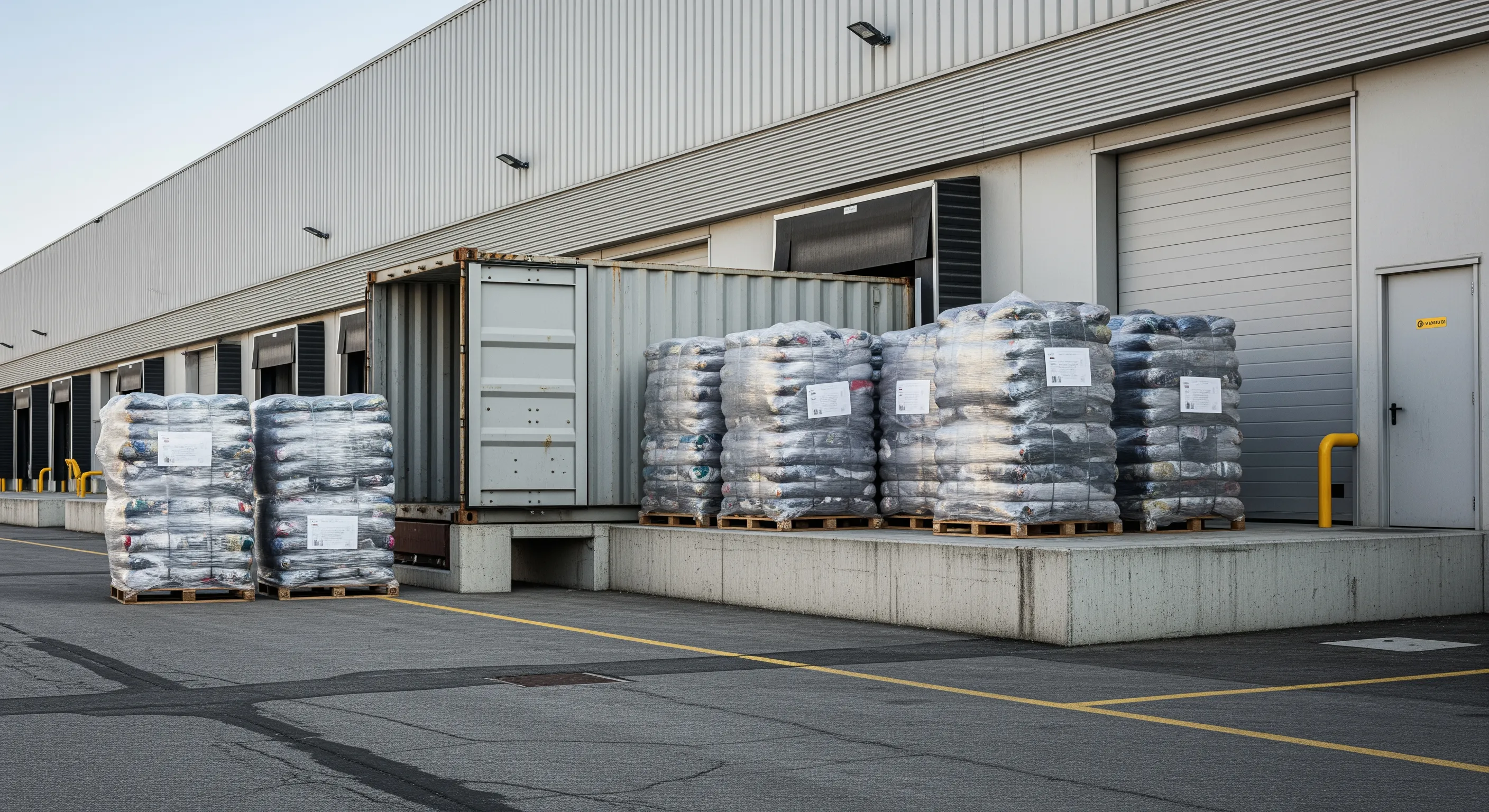
The logistics of importing second-hand clothing can be complex, particularly regarding shipping and customs regulations. Buyers must familiarize themselves with EU trade data and export requirements to ensure compliance and smooth delivery of goods.
Working with reliable logistics partners can significantly ease the complexities of exporting, from shipping arrangements to documentation. Having a clear understanding of necessary invoices and customs documents is vital for successful transactions.
Maximizing Profit with Bulk Second Hand Clothes
Maximizing profits from second-hand clothing relies on effective sourcing and inventory management. By collaborating with trusted suppliers and leveraging bulk purchasing, businesses can reduce costs while offering competitive pricing.
Additionally, continuously analyzing market trends and consumer preferences can help businesses adapt their offerings, thus maintaining profitability. This proactive approach enables wholesalers to align their selections with consumer demand and optimize their inventory.
Pro tip: Always stay updated with market trends and consumer preferences to ensure your inventory meets customer needs.
Unlock Reliable EU Stock and Faster Reorders with Italy Branded Wholesale Supply
For trade buyers who need consistent branded mixes, transparent grading, and export-ready paperwork, explore Italy Secondhand at italysecondhand.com. If you want a quick recommendation based on volumes, target category, and delivery country, contact the team here: Contact Us.
Frequently Asked Questions
What are the benefits of buying second-hand clothes in bulk?
Buying second-hand clothes in bulk allows businesses to enjoy lower costs, access unique pieces, and meet growing consumer demand for sustainable products.
How can I ensure the quality of second-hand clothing?
To ensure quality, partner with reputable suppliers who provide clear grading and quality control processes.
What logistics challenges should I consider when importing second-hand clothes?
Key logistics challenges include compliance with customs regulations, shipping arrangements, and proper documentation.
Why is sourcing second-hand clothing important for B2B buyers?
Sourcing second-hand clothing is essential for providing unique offerings, cost savings, and meeting consumer preferences for sustainability.