Discover Second Hand Clothes Wholesale Germany
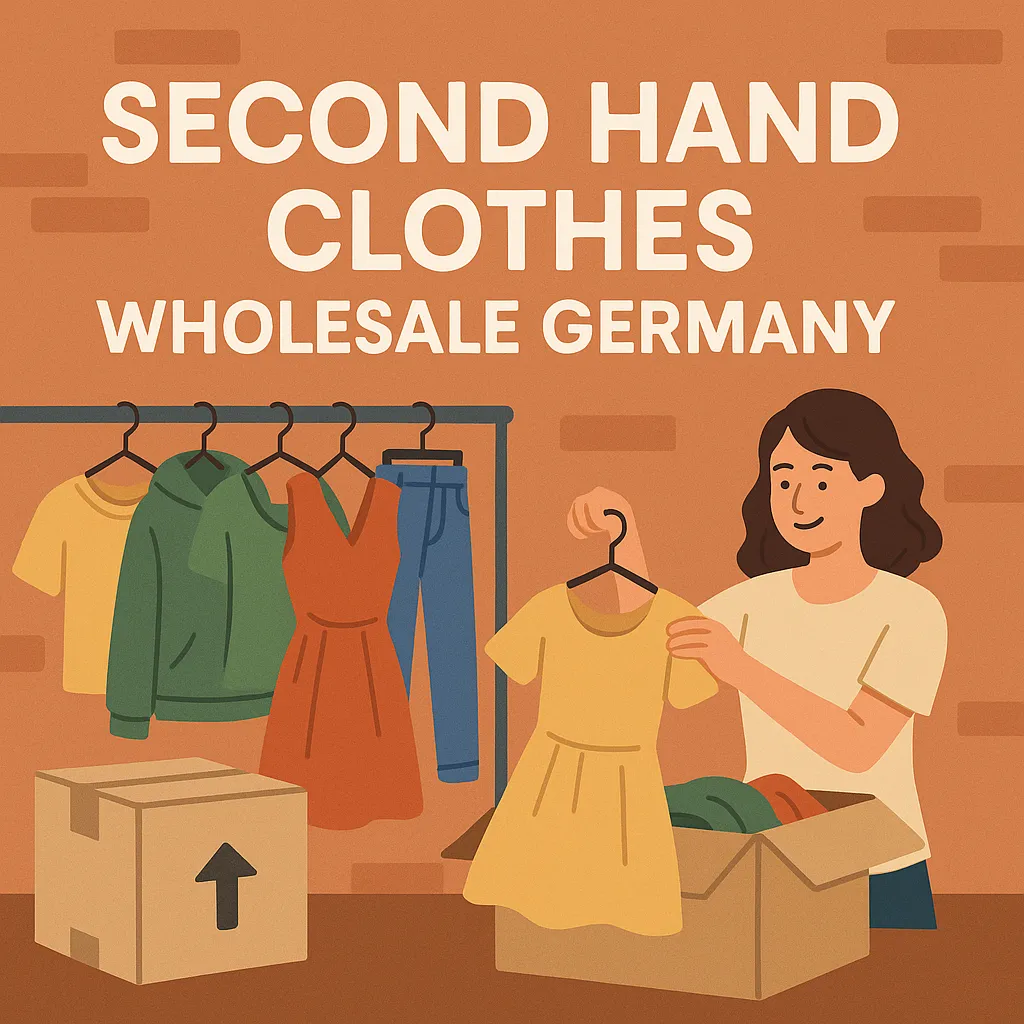
Finding quality second hand clothes wholesale in Germany is an excellent choice for businesses and entrepreneurs looking to provide sustainable fashion options at affordable prices. The demand for second hand clothing has surged in recent years, driven by a growing awareness of environmental issues and a desire for unique, vintage styles. Many wholesalers in Germany specialize in sourcing high-quality used garments, offering a diverse range of products that cater to various markets. By opting for second hand clothes, businesses not only support a circular economy but also attract eco-conscious consumers who prioritize sustainability. The wholesale market in Germany is robust, characterized by competitive pricing and a variety of sourcing options, making it easier than ever to stock up on fashionable second hand apparel. This article will explore the benefits of sourcing second hand clothing wholesale, the types of products available, and how to establish a successful relationship with suppliers.
The Benefits of Second Hand Clothes Wholesale
Engaging in second hand clothes wholesale in Germany comes with numerous advantages that can significantly impact your business model. Firstly, purchasing second hand clothing allows you to acquire unique inventory that sets your store apart from competitors. Unlike fast fashion retailers, wholesalers of second hand garments often provide one-of-a-kind pieces that appeal to customers looking for distinctive styles. Additionally, this approach contributes to environmental sustainability by reducing waste and promoting recycling efforts within the fashion industry. Another major benefit is the cost-effectiveness of sourcing used clothing. Prices for second hand apparel are often much lower than new items, allowing businesses to enjoy higher profit margins or offer competitive pricing to attract more customers. Furthermore, the increasing consumer demand for sustainable products means that retailers who prioritize second hand clothing can tap into a growing market segment. In Germany, where sustainability is an essential value, wholesale second hand clothing is not just a trend; it's becoming a standard practice for responsible businesses.
Types of Second Hand Clothing Available
When exploring second hand clothes wholesale in Germany, you will encounter a diverse array of options to suit various customer needs and preferences. Wholesalers typically offer categories such as vintage wear, everyday casual clothing, formal attire, and specialized garments for specific occasions. Vintage clothing is particularly popular among fashion-forward consumers who appreciate the nostalgia and uniqueness of retro styles. Casual wear, including t-shirts, jeans, and outerwear, can cater to a broad audience, making it a staple for many wholesale distributors. Formal wear, including suits and dresses, is often available in excellent condition, providing affordable options for special occasions. Additionally, some wholesalers focus on niche markets, offering items like sportswear, children's clothing, or even designer labels at reduced prices. This variety allows businesses to curate collections that resonate with their target audience, enhancing customer satisfaction and loyalty. By understanding the types of second hand clothing available, retailers can make informed purchasing decisions that align with current fashion trends and consumer preferences.
Building Relationships with Suppliers
Establishing strong relationships with suppliers is crucial when navigating the world of second hand clothes wholesale in Germany. A reliable supplier can provide consistent quality, timely deliveries, and favorable terms, which are essential for maintaining a successful retail operation. Start by researching potential wholesalers and assessing their reputation within the industry. Look for reviews, testimonials, and recommendations from other retailers to gauge their reliability. Once you've identified a few potential partners, initiate contact and discuss your specific needs, such as the types of clothing you wish to stock, volume requirements, and pricing structures. Regular communication is key to fostering a positive relationship, and being transparent about your expectations can lead to better service from the supplier. Additionally, consider visiting suppliers in person when possible to inspect their inventory and establish a personal connection. Building a strong partnership can lead to exclusive deals, priority access to new arrivals, and ultimately, a competitive edge in the market. By prioritizing these relationships, retailers can ensure a steady flow of quality second hand clothing that meets consumer demands.
FAQ
What are the best sources for second hand clothes wholesale Germany?
When searching for second hand clothes wholesale in Germany, there are numerous reliable sources to consider. Wholesalers typically specialize in various categories, including vintage clothing, casual wear, and sports apparel. Online platforms, trade fairs, and local wholesalers are all viable options. Websites dedicated to connecting retailers with suppliers can be particularly useful, as they often feature a range of vendors, allowing you to compare prices and product quality. Additionally, attending industry events and exhibitions can help you network with suppliers and discover new trends. Building relationships with local thrift stores and charities can also yield valuable inventory. Ultimately, the best source will depend on your specific business needs and target market.
How can I ensure the quality of second hand clothes?
To ensure the quality of second hand clothes, it’s vital to establish a thorough vetting process when selecting suppliers. Always request samples before making bulk purchases to assess the condition and quality of the garments. Look for wholesalers who provide detailed descriptions and high-resolution images of their products, enabling you to make informed decisions. Additionally, it’s wise to inquire about the sourcing methods of the clothing; reputable suppliers will have clear practices in place to ensure that their items meet quality standards. Regularly inspecting incoming inventory and establishing quality control measures can further safeguard your business against defective items. By prioritizing quality, you can maintain customer satisfaction and foster trust in your brand.
What are the cost benefits of buying second hand clothes wholesale?
Purchasing second hand clothes wholesale offers significant cost benefits that can enhance your profit margins. Generally, the price per item for second hand clothing is considerably lower than that of new garments, allowing you to acquire more inventory for your investment. This cost-effectiveness enables you to offer competitive pricing to your customers, making your products more appealing. Additionally, the unique nature of second hand items often allows for higher markups, especially for vintage or sought-after pieces. Retailers can also reduce overhead costs by minimizing waste and opting for sustainable sourcing methods. Overall, the financial advantages of buying second hand clothing wholesale can lead to a healthier bottom line and greater business sustainability.
How do I market second hand clothes effectively?
Effectively marketing second hand clothes requires a strategic approach that highlights the unique benefits of your offerings. Begin by establishing a strong online presence through social media platforms, where you can showcase your inventory and engage with potential customers. Utilize visually appealing photography to accentuate the quality and style of your products. Storytelling is also a powerful marketing tool; share the history and uniqueness of individual pieces to create an emotional connection with your audience. Collaborate with influencers and bloggers who align with your brand values to reach a wider audience. In-store events and promotions can also attract attention and encourage customers to explore your second hand collection. By emphasizing sustainability, affordability, and exclusivity, you can create a compelling marketing strategy that resonates with today's eco-conscious consumers.
What are the challenges of sourcing second hand clothes wholesale?
Sourcing second hand clothes wholesale presents several challenges that retailers must navigate to ensure a successful operation. One significant issue is the variability in inventory quality; not all wholesalers maintain the same standards, which can lead to discrepancies in what you receive. Additionally, the sourcing process can be time-consuming, requiring diligent research and relationship-building with suppliers. Market fluctuations can also impact pricing and availability, making it essential to stay informed about industry trends. Furthermore, as demand for second hand clothing rises, competition among retailers increases, necessitating effective differentiation strategies. By recognizing these challenges and developing proactive solutions, retailers can successfully thrive in the second hand clothing market.