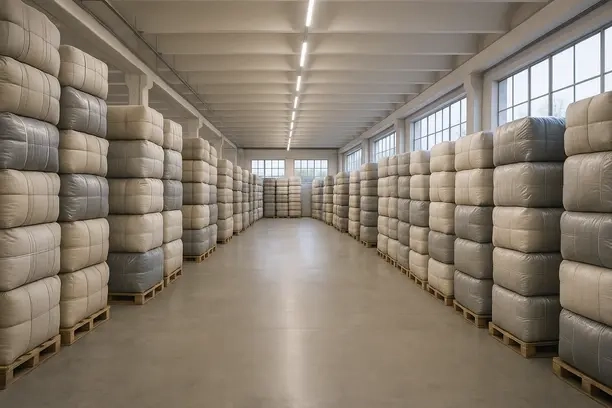
For B2B trade buyers across Europe, sourcing wholesale second hand clothes is a strategic move to enhance product offerings and reduce costs. Italy Secondhand stands at the forefront of this market, delivering high-quality vintage and branded clothing mixes in bulk. Our commitment to transparency ensures that you receive exactly what you order, with clear sorting and quality control processes in place. This guide will help you navigate the essentials of purchasing secondhand clothing and understand the benefits it brings to your business.
Table of Contents
- Understanding Wholesale Second Hand Clothes
- Benefits of Vintage Clothing for Your Store
- Navigating the Wholesale Clothing Market
- The EU Circular Economy and Second-Hand Clothing
- Risk Management in Wholesale Purchasing
- Sourcing and Logistics with Italy Secondhand
Key Takeaways
| Aspect | Details |
|---|---|
| MOQ | Minimum order quantities are often required; assess your capacity to handle bulk clothing. |
| Grading | Understanding grading systems is crucial for quality assurance; different levels can affect your margins. |
| Logistics | Evaluate shipping methods to streamline your supply chain and reduce costs. |
| Documentation | Ensure all invoices and customs documents are in order for smooth transactions. |
Understanding Wholesale Second Hand Clothes
Wholesale second hand clothes are pre-owned garments offered in bulk primarily for resale by businesses. Unlike retail, B2B transactions focus on larger quantities at discounted rates, enabling resellers to tap into cost-effective inventory. The market for secondhand clothing has expanded, driven by increased consumer awareness of sustainability practices and the unique appeal of vintage fashion.
Wholesale suppliers, like Italy Secondhand, specialize in sourcing and sorting quality garments to meet the diverse needs of retailers and resellers. By understanding the dynamics of supply and demand, trade buyers can maximize their purchasing power while promoting eco-friendly practices.
Benefits of Vintage Clothing for Your Store
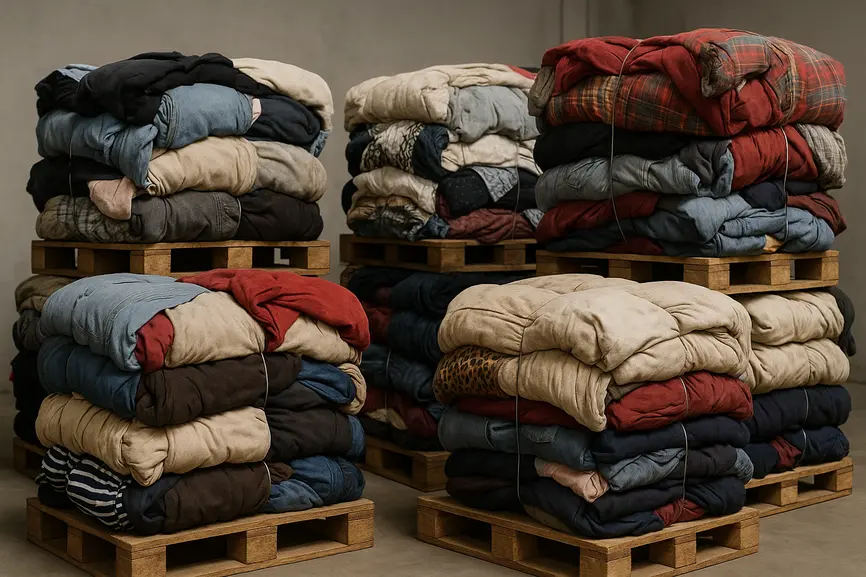
Incorporating vintage clothing into your inventory can attract a dedicated customer base that values unique and sustainable fashion. By sourcing quality secondhand items, businesses can differentiate themselves from competitors who offer standard retail options. The rise of eco-conscious shopping also aligns with market trends, increasing demand for sustainable products.
Furthermore, vintage clothing often has a distinct character that appeals to fashion-forward customers. As trends become cyclical, vintage pieces can also provide a profitable return on investment, allowing retailers to command higher prices for unique items.
Navigating the Wholesale Clothing Market
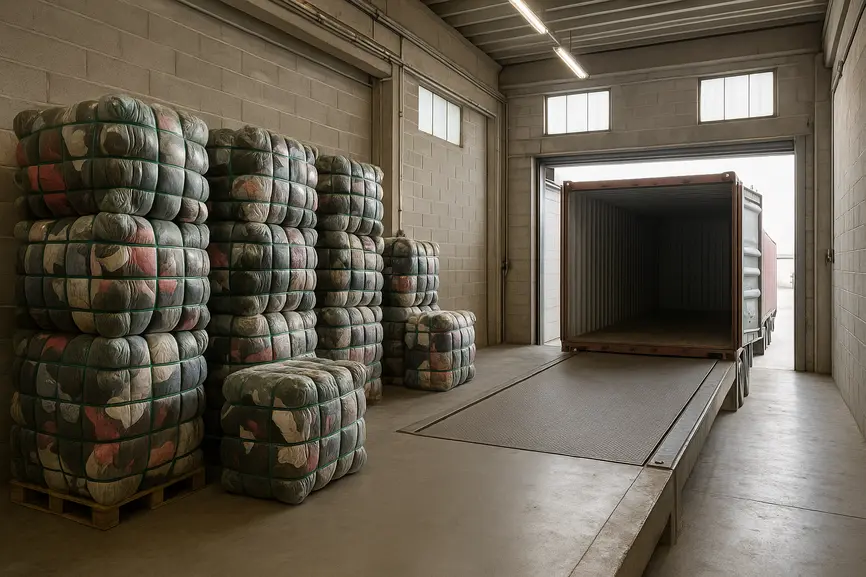
Understanding the nuances of the wholesale clothing market is essential for trade buyers. The relationships between suppliers, logistics partners, and regulatory requirements can significantly influence profitability. Keeping abreast of market trends and consumer preferences helps businesses make informed purchasing decisions.
Moreover, establishing strong supplier relationships is crucial for ensuring access to high-quality inventory and favorable terms. According to industry guidance, leveraging strong connections can help mitigate risks associated with price fluctuations in the market.
The EU Circular Economy and Second-Hand Clothing
The EU's commitment to a circular economy has paved the way for sustainable practices within the textile sector. According to EU trade data, second-hand clothing plays a vital role in reducing textile waste and promoting the reuse of materials.
Understanding these principles can help trade buyers position their businesses favorably within regulatory frameworks designed to encourage sustainability. Suppliers often provide detailed reports on the environmental impact of their products, allowing buyers to align their practices with EU directives.
Risk Management in Wholesale Purchasing
Mitigating risks associated with wholesale purchasing requires careful consideration of various factors. It is essential to conduct thorough due diligence on suppliers and to understand their compliance with international regulations.
Documentation is key to navigating customs and import requirements efficiently. Consult customs guidance regularly to ensure your import processes align with current legislative changes.
| Practical Risk | Cause | Mitigation |
|---|---|---|
| Quality Control | Inconsistent grading | Pre-order samples and establish grading standards. |
| Logistical Delays | Transport disruptions | Work with reliable logistics partners and plan for contingencies. |
| Regulatory Issues | Compliance failures | Stay updated with EU regulations and ensure all paperwork is accurate. |
| Market Volatility | Price fluctuations | Diversify supplier sources and maintain flexible contracts. |
Sourcing and Logistics with Italy Secondhand
Italy Secondhand offers an efficient sourcing process for B2B buyers. We provide detailed information on the products available, including grades, pricing, and available quantities. Our team can assist with logistics, ensuring timely deliveries and compliance with export regulations.
Working with a transparent supplier allows you to make informed decisions and minimize risks associated with international trade. For more details about our services and inventory, visit Italy Secondhand's product page.
Pro tip: Always communicate your specific needs directly with suppliers to align expectations.
Unlock Reliable EU Stock and Faster Reorders with Italy Branded Wholesale Supply
For trade buyers who need consistent branded mixes, transparent grading, and export-ready paperwork, explore Italy Secondhand at italysecondhand.com. If you want a quick recommendation based on volumes, target category, and delivery country, contact the team here: Contact Us.
Frequently Asked Questions
What types of clothing can I source from Italy Secondhand?
You can find a diverse range of vintage and branded clothing suitable for resale.
How can I ensure the quality of second-hand clothing?
Utilizing in-house sorting and quality control processes helps maintain product standards.
What are the shipping options available?
We provide various shipping methods tailored to your needs and location.
Can I visit the warehouse to inspect the stock?
Yes, our facility is open for visits to ensure transparency and trust.