The Growing Popularity of Secondhand Shopping in Italy
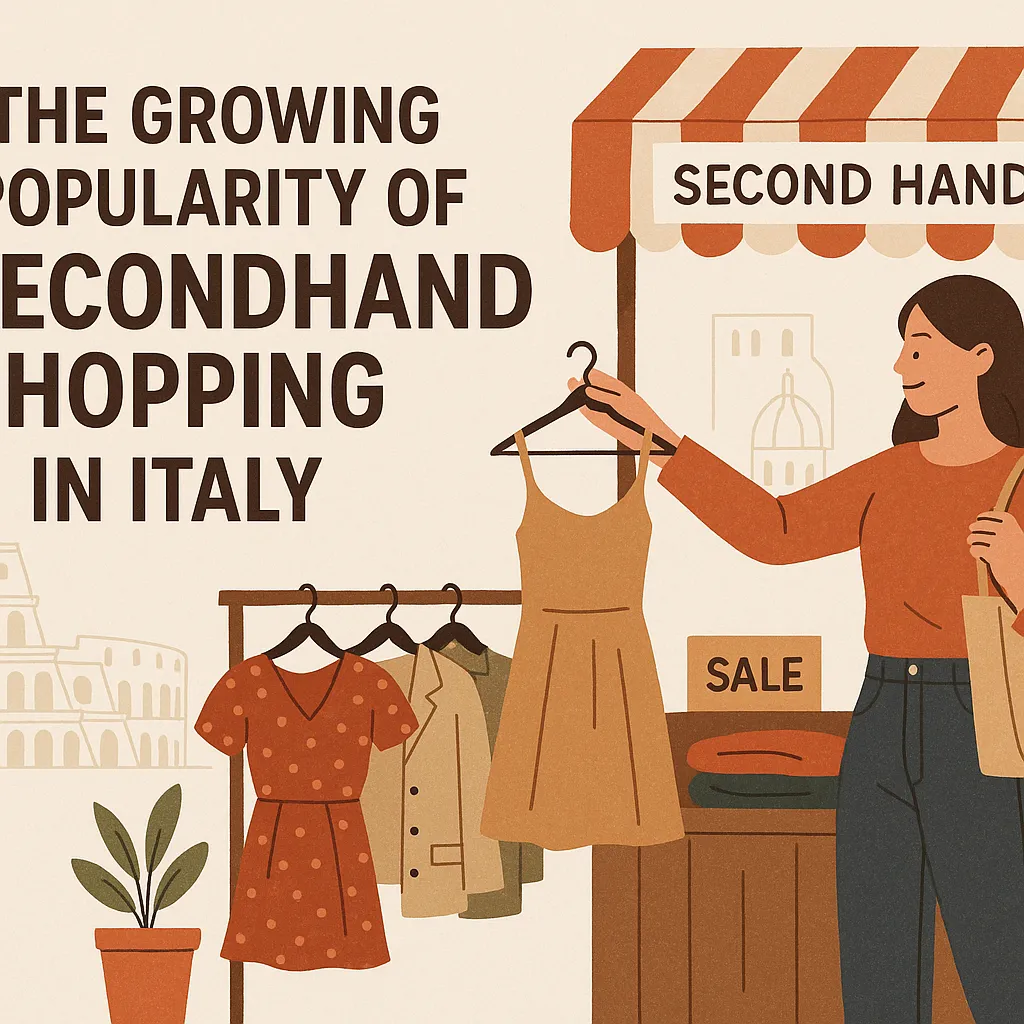
The Growing Popularity of Secondhand Shopping in Italy is transforming the retail landscape, as more individuals turn to pre-loved items for a variety of reasons. This shift is not merely a trend but a reflection of changing consumer values that prioritize sustainability, uniqueness, and affordability. Italian shoppers are increasingly aware of the environmental impact of fast fashion and are seeking alternatives that allow them to express their style without compromising the planet. This cultural shift is nurturing a vibrant secondhand market, characterized by thrift stores, online platforms, and vintage boutiques that offer a plethora of choices. The rise of secondhand shopping in Italy resonates with younger generations who are keen on making conscious buying decisions that align with their values and lifestyle.
Why Secondhand Shopping is Gaining Traction in Italy
One of the primary drivers behind the growing popularity of secondhand shopping in Italy is the increasing awareness of environmental sustainability. As climate change becomes a pressing global issue, many consumers are motivated to reduce their carbon footprint by opting for pre-owned goods rather than new ones. Secondhand shopping not only helps divert waste from landfills but also reduces the demand for new production, which is often resource-intensive. Furthermore, Italy's rich history and culture foster a deep appreciation for unique, vintage items that tell a story. This cultural backdrop enhances the allure of secondhand shopping, as shoppers are drawn to the idea of owning something that has history and character. Additionally, the economic aspect cannot be overlooked; secondhand goods are often significantly cheaper than their new counterparts, allowing consumers to save money while still acquiring quality items. This mix of environmental consciousness, cultural appreciation, and economic benefit creates a compelling case for the rise of secondhand shopping in Italy, making it a prevalent choice among diverse demographics.
The Role of Technology in Secondhand Shopping
Technology plays a crucial role in the growing popularity of secondhand shopping in Italy, as it has revolutionized how consumers connect with sellers and discover unique items. Online marketplaces and mobile applications have made it easier than ever to buy and sell secondhand goods. Platforms like Mercatino and eBay have gained traction, providing users with a convenient way to browse thousands of listings from the comfort of their homes. Social media also contributes to this trend, allowing sellers to showcase their items and buyers to engage with them directly. Instagram and Facebook Marketplace have become popular venues for secondhand sales, promoting a sense of community among users who share a passion for sustainable fashion. The integration of technology not only streamlines the shopping experience but also fosters a culture of sharing and recycling, encouraging more people to participate in the secondhand market. As digital literacy increases, particularly among younger generations, the appeal of secondhand shopping continues to grow, paving the way for a vibrant online marketplace that complements traditional retail experiences.
Secondhand Shopping: A Cultural Phenomenon
The growing popularity of secondhand shopping in Italy is also a cultural phenomenon, reflecting broader societal changes and shifting consumer habits. In a nation known for its rich artistic heritage, Italians have a natural inclination towards style and aesthetics, making secondhand shopping a fashionable choice. Vintage shops and flea markets are not just places to find affordable clothing; they are social hubs where people gather, share stories, and celebrate creativity. This vibrant culture of secondhand shopping is particularly evident in cities like Florence and Milan, where markets such as the Mercato delle Pulci attract locals and tourists alike. These spaces serve as a testament to the charm of pre-owned goods, where each item has a unique narrative. The allure of finding a vintage designer piece or a rare collectible adds excitement to the shopping experience, encouraging consumers to embrace secondhand shopping as a lifestyle rather than a mere transaction. This cultural shift not only promotes sustainability but also fosters a sense of community and connection among shoppers, further solidifying the place of secondhand shopping in contemporary Italian culture.
Challenges and Future Prospects for Secondhand Shopping
What are the key benefits of secondhand shopping in Italy?
Secondhand shopping in Italy offers numerous benefits, including affordability, sustainability, and uniqueness. Shoppers can find quality items at significantly lower prices compared to new retail prices, allowing for budget-friendly fashion choices. This practice also supports environmental sustainability by reducing waste and promoting recycling, as pre-loved items are given a second life instead of ending up in landfills. Additionally, secondhand shopping provides access to unique pieces that often cannot be found in mainstream stores, enabling individuals to express their personal style creatively. By choosing secondhand items, consumers in Italy are not only making smart financial choices but also contributing positively to the environment and preserving cultural heritage.
How has the COVID-19 pandemic affected secondhand shopping in Italy?
The COVID-19 pandemic has had a significant impact on secondhand shopping in Italy, accelerating the shift towards online platforms and changing consumer behaviors. As physical stores faced temporary closures and restrictions, many thrift shops and vintage boutiques turned to e-commerce to reach their customers, prompting a surge in online secondhand shopping. Consumers became more comfortable with digital transactions, leading to increased sales on platforms like Depop and Poshmark. The pandemic also heightened awareness around sustainability and ethical consumption, as people reconsidered their shopping habits. Consequently, many have turned to secondhand shopping as a way to support local businesses while making environmentally conscious choices. This shift has helped solidify the role of secondhand shopping in Italy as a viable and appealing option for consumers in a post-pandemic world.
What types of items are most popular in the secondhand market?
In the secondhand market in Italy, various items are popular among consumers, including clothing, accessories, furniture, and collectibles. Fashion items, particularly vintage clothing and designer pieces, are highly sought after, with shoppers looking for unique styles that reflect their individuality. Accessories such as bags, shoes, and jewelry also attract attention, as they can elevate an outfit and provide a personal touch. Additionally, secondhand furniture is gaining traction, especially among young adults furnishing their homes with affordable yet stylish pieces. Collectibles, such as vinyl records and vintage toys, appeal to niche markets, further diversifying the secondhand shopping landscape. This wide range of popular items highlights the versatility and appeal of secondhand shopping in Italy.
Are there any notable secondhand shops in Italy?
Italy is home to several notable secondhand shops that have garnered a reputation for their unique offerings and curated selections. In Milan, shops like Cavalli e Nastri and Humana Vintage showcase high-quality vintage fashion and accessories, attracting both locals and tourists. Florence is known for its Mercato delle Pulci, a vibrant flea market where shoppers can find everything from antiques to handmade crafts. In Rome, shops such as Vintage Market and Second Hand Shop offer a diverse range of pre-owned items, promoting a sustainable shopping culture. These shops not only provide a treasure trove of unique finds but also contribute to the growing community of secondhand enthusiasts in Italy, making them essential destinations for anyone interested in exploring the secondhand market.
FAQ
What is The Growing Popularity of Secondhand Shopping in Italy?
The Growing Popularity of Secondhand Shopping in Italy reflects a significant cultural and economic shift as consumers increasingly embrace sustainability and affordability. This trend has been bolstered by greater awareness of environmental issues, leading many to seek alternatives to fast fashion. The appeal of unique vintage items and the financial benefits of buying secondhand have also contributed to its rise. As younger generations prioritize ethical consumption, secondhand shopping has become a mainstream choice, supported by a thriving market of thrift stores, online platforms, and vintage boutiques throughout Italy.
How can I start secondhand shopping in Italy?
Starting your secondhand shopping journey in Italy is simple and enjoyable. Begin by exploring local thrift stores, flea markets, and vintage shops in your area, as these places often feature unique items with character. Additionally, consider browsing online platforms like Depop or eBay that specialize in secondhand goods. Social media groups and marketplaces can also connect you with sellers offering a variety of items. Don’t hesitate to visit multiple stores and markets, as each location presents distinct finds and opportunities to discover something special while enjoying the thrill of the hunt.
What should I look for when buying secondhand items?
When buying secondhand items, it's essential to examine the quality and condition of the products carefully. Look for signs of wear or damage, and ensure that items are clean and in good working order. For clothing, check the fabric, stitching, and zippers to ensure durability. It's also helpful to research brands and understand their quality standards, as some labels may be more desirable than others. Additionally, consider the item's history and uniqueness, as these factors can enhance its value. Ultimately, trust your instincts and select pieces that resonate with your personal style and values.
Are secondhand products safe to buy?
Yes, secondhand products can be safe to buy, especially when sourced from reputable shops or platforms. Many thrift stores and online marketplaces implement quality checks to ensure that items meet safety standards. However, buyers should still exercise caution, particularly when purchasing items like electronics, children’s products, or furniture. Always inspect items thoroughly, and if possible, test functionality before completing your purchase. If buying online, read seller reviews and verify their credibility to ensure a positive shopping experience. By taking these precautions, you can enjoy the benefits of secondhand shopping while minimizing potential risks.
Can I sell my own secondhand items in Italy?
Absolutely! Selling your own secondhand items in Italy is a fantastic way to declutter and make some extra money. You can choose to sell through local thrift shops, which may accept donations or consignment items, or utilize online platforms like eBay, Depop, or Facebook Marketplace. Hosting a garage sale or participating in local flea markets can also be effective ways to reach buyers. Before selling, ensure that your items are clean and in good condition, and consider researching similar listings to set competitive prices. By sharing your pre-loved items, you contribute to the growing secondhand culture while promoting sustainable consumption.