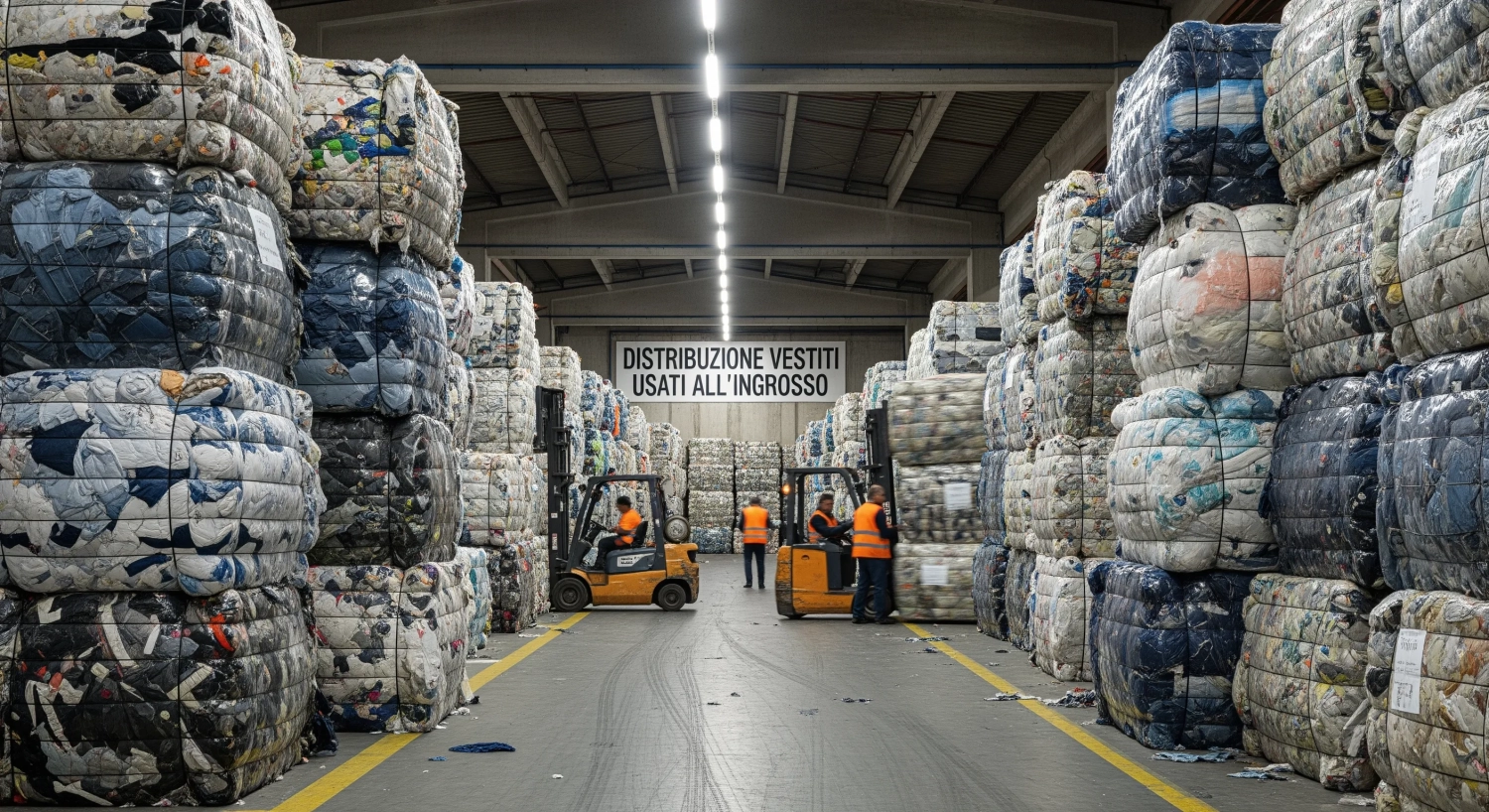
When it comes to sourcing used clothing wholesale Canada, trade buyers can find excellent options in bulk from suppliers in Italy. This avenue not only offers access to high-quality secondhand apparel but also ensures competitive pricing and varied inventory. For businesses looking to expand their offerings and provide customers with unique vintage and branded items, tapping into the Italian wholesale market can be incredibly rewarding.
Table of Contents
- Understanding the Wholesale Market
- Benefits of Sourcing from Italy
- Your B2B Guide to Used Clothing
- Navigating Logistics and Export
- Quality Control and Grading
- Mitigating Risk in Wholesale Purchases
Understanding the Wholesale Market
The wholesale market for used clothing is robust, with varying factors influencing pricing and availability. In Canada, businesses are increasingly turning to Italy as a primary source of secondhand clothing. This transition is driven by the increasing demand for sustainability and unique fashion choices from consumers.
By partnering with reliable Italy suppliers, B2B buyers can ensure a consistent flow of inventory. It is essential to understand market trends and consumer preferences to tailor purchases effectively.
Investing in strong relationships with suppliers can also enhance the quality of goods received and streamline the purchasing process.
Pro tip: Regularly assess market trends to keep inventory aligned with consumer demand.
Benefits of Sourcing from Italy
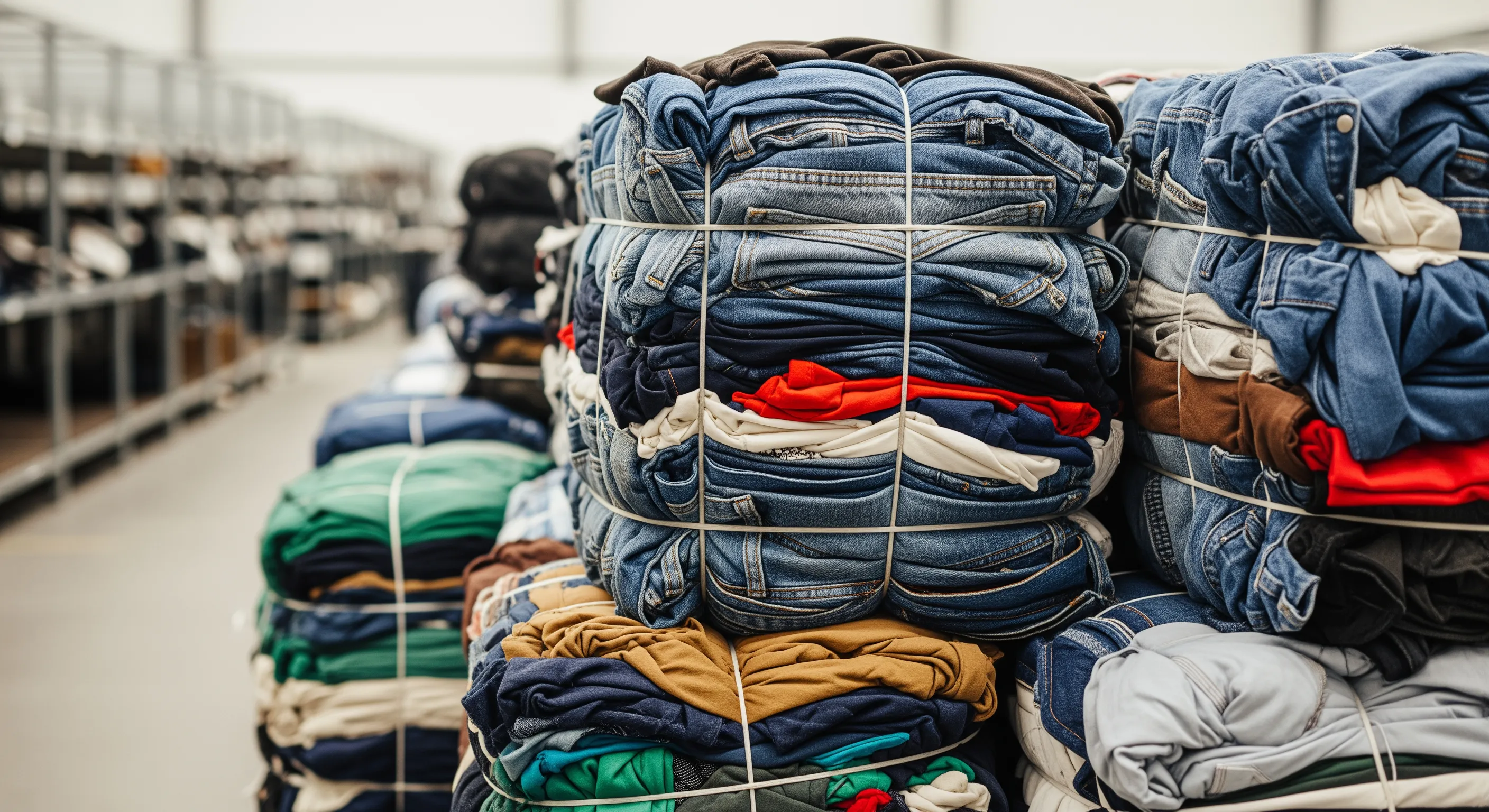
Italian suppliers are known for their meticulous sorting processes and high-quality bales. By choosing wholesale bales from Italy, buyers can access a diverse range of branded mixes and vintage clothing.
This diverse inventory enables resellers to offer unique products that appeal widely to customers looking for one-of-a-kind pieces. Furthermore, the transparent grading of lots helps reduce surprises and enhances purchasing confidence.
Pro tip: Focus on establishing a trusted supply chain that can deliver consistent quality.
Your B2B Guide to Used Clothing
When considering used clothing wholesale Canada options, it is crucial that buyers understand the Minimum Order Quantities (MOQs) and grading systems employed by suppliers. Typically, wholesale orders require larger volumes, which can benefit businesses looking to stock upscale inventory at competitive prices.
Having a clear understanding of the grading process ensures that the quality of received clothing meets expectations. Buyers should consider asking for samples before placing large orders.
Pro tip: Always maintain open communication with suppliers to ensure clarity regarding MOQ and grading.
Navigating Logistics and Export
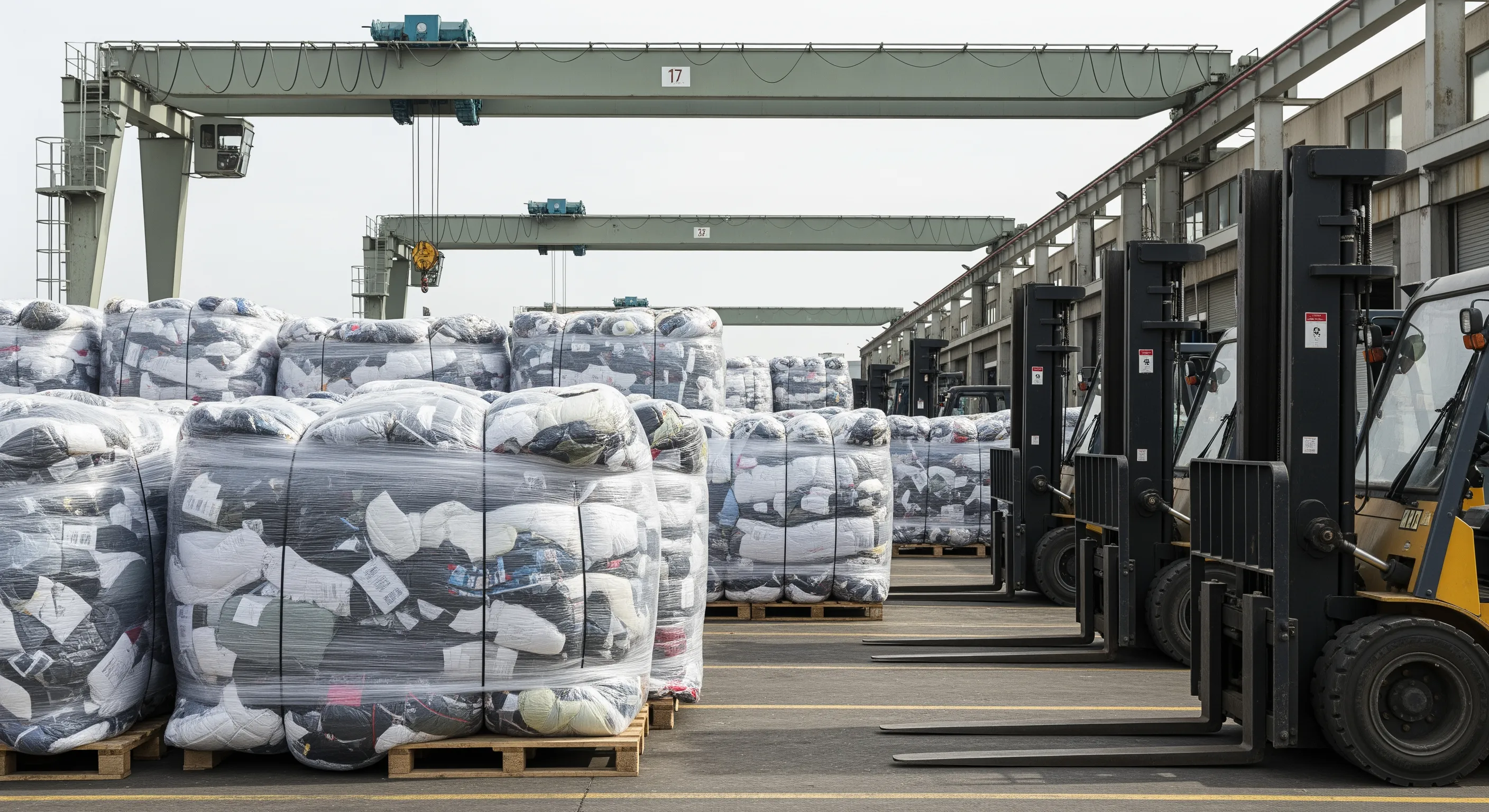
Logistics can often pose challenges when importing used clothing, but working with experienced suppliers can facilitate the export process. Understanding customs regulations and management of shipping can minimize delays and confusion.
Companies can greatly benefit from having all necessary documentation prepared in advance, including invoices and customs documents. This preparation allows for smoother transactions when crossing borders.
Pro tip: Collaborate with logistics professionals who specialize in apparel imports to ensure efficient handling.
Quality Control and Grading
Quality assurance is paramount in the wholesale clothing market. By implementing a thorough quality control process, businesses can maintain their reputation and customer trust. Ensure that suppliers adhere to specific grading standards that align with your business's quality expectations.
Regular audits and communication can keep suppliers accountable and ensure consistency in the products received.
Pro tip: Consider introducing feedback loops with your suppliers to continuously improve quality.
Mitigating Risk in Wholesale Purchases
Risk management is a critical concern for wholesale buyers, especially when importing apparel. Understanding the potential challenges—such as fluctuating shipping costs and unexpected inventory shortages—can help plan effectively.
By establishing contingency plans and diversifying supply sources, businesses can mitigate these risks effectively and ensure a steady flow of inventory.
| Practical Risk | Cause | Mitigation |
|---|---|---|
| Shipping Delays | Unforeseen customs issues | Use reliable transport partners |
| Quality Fluctuations | Poor grading standards | Regular supplier audits |
| Inventory Shortage | Supplier reliability | Diversify supplier base |
| Price Volatility | Market conditions | Fixed pricing agreements |
Pro tip: Establish a risk management strategy to adapt swiftly to market changes.
Unlock Reliable EU Stock and Faster Reorders with Italy Branded Wholesale Supply
For trade buyers who need consistent branded mixes, transparent grading, and export-ready paperwork, explore Italy Secondhand at italysecondhand.com. If you want a quick recommendation based on volumes, target category, and delivery country, contact the team here: Contact Us.
Frequently Asked Questions
What types of clothing are available in wholesale?
Wholesale offerings include various types of secondhand apparel, such as vintage clothing, branded items, and mixed lots.
How do I ensure quality in wholesale purchases?
Request samples, review grading systems, and maintain communication with suppliers to ensure quality standards.
What are the logistics involved in importing used clothing?
Logistics involve managing shipping, customs documentation, and ensuring timely delivery.
How can I mitigate risks in wholesale purchasing?
Diversify suppliers, have contingency plans, and establish risk management strategies for potential challenges.