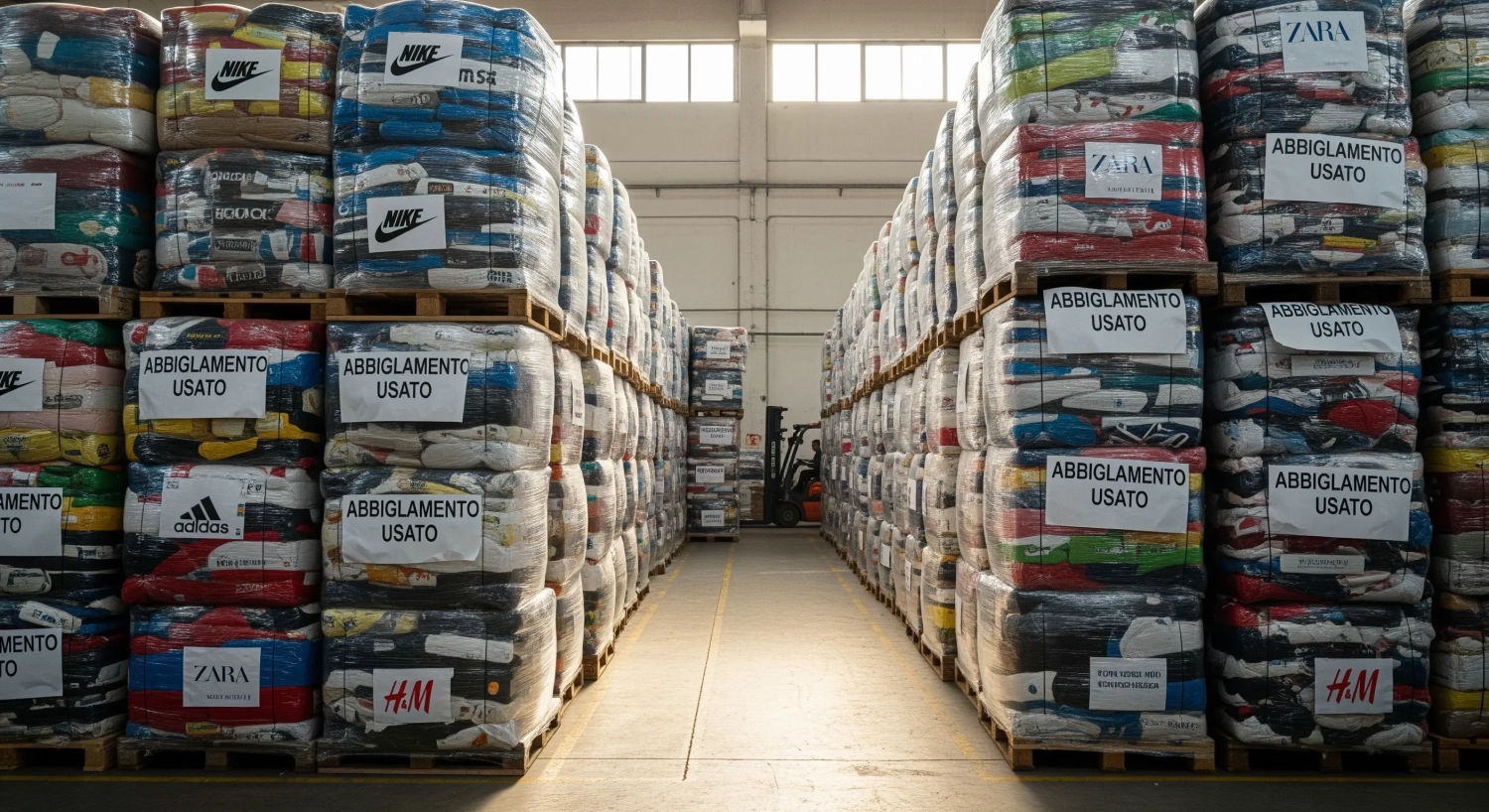
Finding reliable suppliers for second-hand branded clothes wholesale is crucial for B2B buyers looking to export vintage clothing throughout Europe. Italy offers a rich source of high-quality second-hand clothing, enabling wholesalers and resellers to meet market demand effectively. Whether you're looking to diversify your inventory or locate a dependable supplier, the wholesale market in Italy for branded second-hand mixed clothes is tailored for business needs, ensuring quality and transparency.
Table of Contents
- Key Takeaways
- Regulatory Considerations in Exporting
- Choosing the Right Supplier
- Quality Checks and Sorting Procedures
- Environmental Impact of Second Hand Clothing
- Risk Mitigation in Wholesale Clothing
Key Takeaways
| Aspect | Details |
|---|---|
| MOQ | Minimum Order Quantities can vary widely based on the supplier, often starting at several bales. |
| Grading | Ensure clarity in grading systems; grades from A to C are common in second-hand clothing markets. |
| Logistics | Factor in export logistics, including shipping arrangements and customs documents. |
| Margins | Typical margins in wholesale second-hand clothes may vary but ensuring cost-effective purchasing is vital. |
Regulatory Considerations in Exporting
When dealing with second-hand branded clothes, it is essential to understand the regulatory landscape pertaining to exports. Various laws govern the import of second-hand textiles in different European countries. For instance, the EU has regulations regarding the safety and quality of textile imports. To navigate this, referring to academic discussions on ethicality in international markets can provide insights into the limits and considerations necessary for compliance.
Choosing the Right Supplier
Selecting a reliable supplier is crucial for ensuring quality and sustainability in bulk purchases. Look for suppliers who offer transparent grading systems and allow inspections of their facilities. An in-house quality control process should be a priority, as it ensures that the products meet industry standards. Additionally, assessing a supplier's reputation through customer reviews and industry references can aid in making informed decisions. According to research on sustainability practices, responsible suppliers recognize the implications of their sourcing practices and make efforts towards ethical operations.
Quality Checks and Sorting Procedures
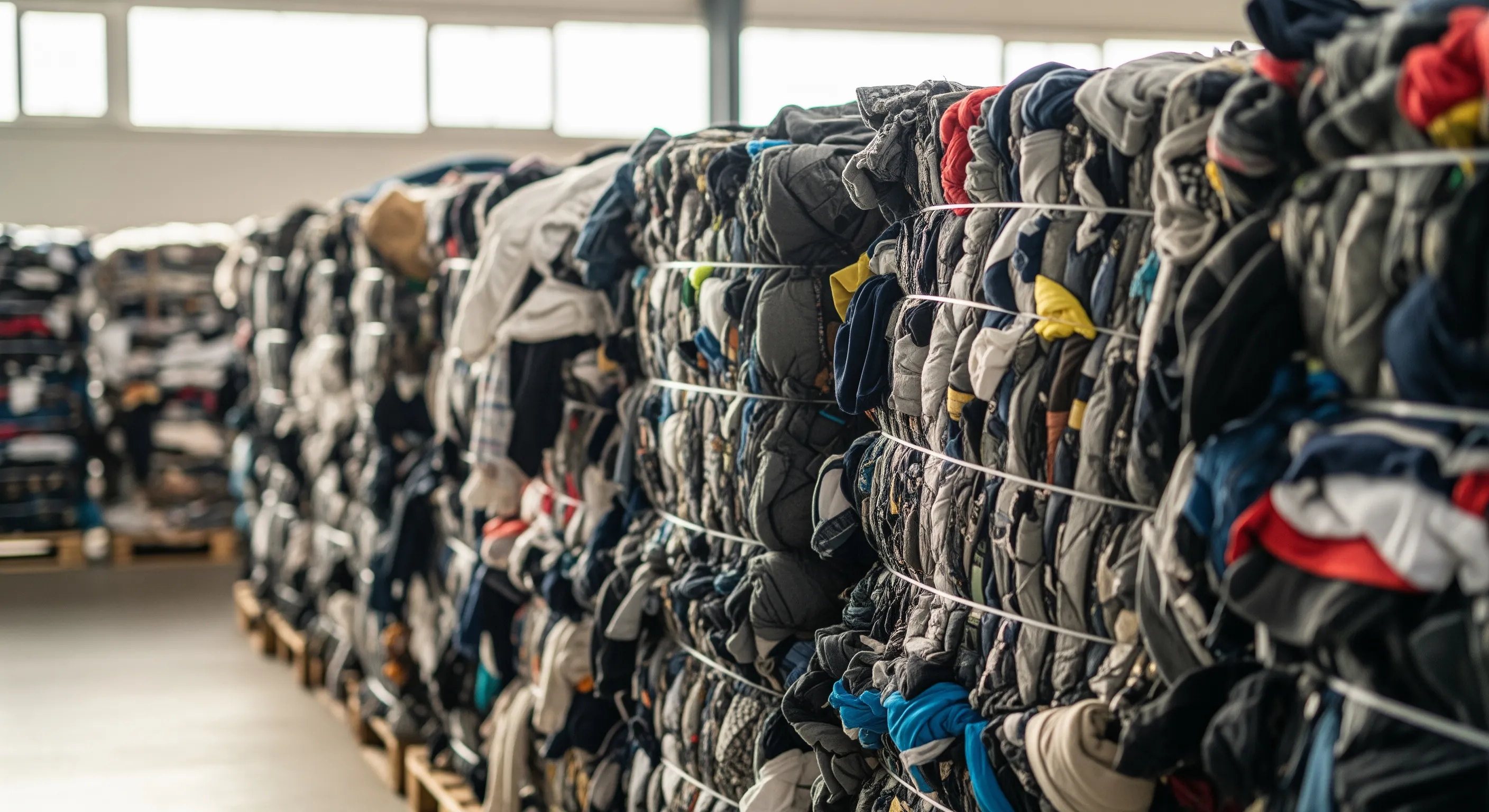
Quality checks are paramount when purchasing second-hand clothes, especially when dealing with bales that are intended for resale. A reliable supplier will have well-defined procedures for sorting and grading their products. This includes thorough inspections and quality assurance tests to minimize defects. A focus on quality ensures your inventory is market-ready, which appeals to your customers. Additionally, supporting documents such as quality reports can be beneficial. Exploring global circuits of second-hand clothing sales as highlighted in European reports helps in understanding wider market trends.
Environmental Impact of Second Hand Clothing
The rise of second-hand clothing is closely tied to sustainability and environmental awareness. Studies show that the purchasing of second-hand clothes can significantly reduce waste and the environmental footprint of the fashion industry. In fact, the amount of clothes bought per person in the EU has surged, as discussed in EU trade data, highlighting the growing market for second-hand textiles.
Furthermore, understanding the use and disposal of these textiles can promote better recycling practices, reinforcing a circular economy. A report detailing the destinations of used textiles can shed light on the larger impacts, which is thoroughly analyzed in publication from Circular Economy.
Risk Mitigation in Wholesale Clothing
In the second-hand clothing industry, proper risk mitigation is key to maintaining sustainable operations. Risks may include fluctuating demand, quality inconsistencies, and export compliance challenges. Cultivating robust supplier relationships can serve as a buffer against supply chain disruptions. Regular audits and compliance checks aligned with industry standards will help in minimizing risks. An informative approach to sorting practices can be designed as highlighted in circularity projects.
| Risk | Cause | Mitigation |
|---|---|---|
| Supply Chain Disruption | Building up excess inventory | Implement Just-in-Time practices |
| Quality Issues | Inconsistent supplier standards | Regular quality audits |
| Regulatory Problems | Inaccurate documentation | Implement robust compliance measures |
| Market Fluctuations | Changing customer preferences | Diverse inventory strategies |
Unlock Reliable EU Stock and Faster Reorders with Italy Branded Wholesale Supply
For trade buyers who need consistent branded mixes, transparent grading, and export-ready paperwork, explore Italy Secondhand at italysecondhand.com. If you want a quick recommendation based on volumes, target category, and delivery country, contact the team here: Contact Us.
Frequently Asked Questions
What is the minimum order quantity for wholesale second-hand clothes?
The minimum order quantity typically starts at several bales, depending on the supplier.
How do I ensure the quality of the second-hand clothes I purchase?
It’s vital to choose suppliers with solid quality control standards and sorting processes.
Are there any environmental benefits to purchasing second-hand clothing?
Yes, buying second-hand clothes significantly lowers waste and reduces the fashion industry's environmental impact.
How do I navigate export regulations for second-hand texts?
Familiarizing oneself with compliance regulations and pertinent documentation is essential.