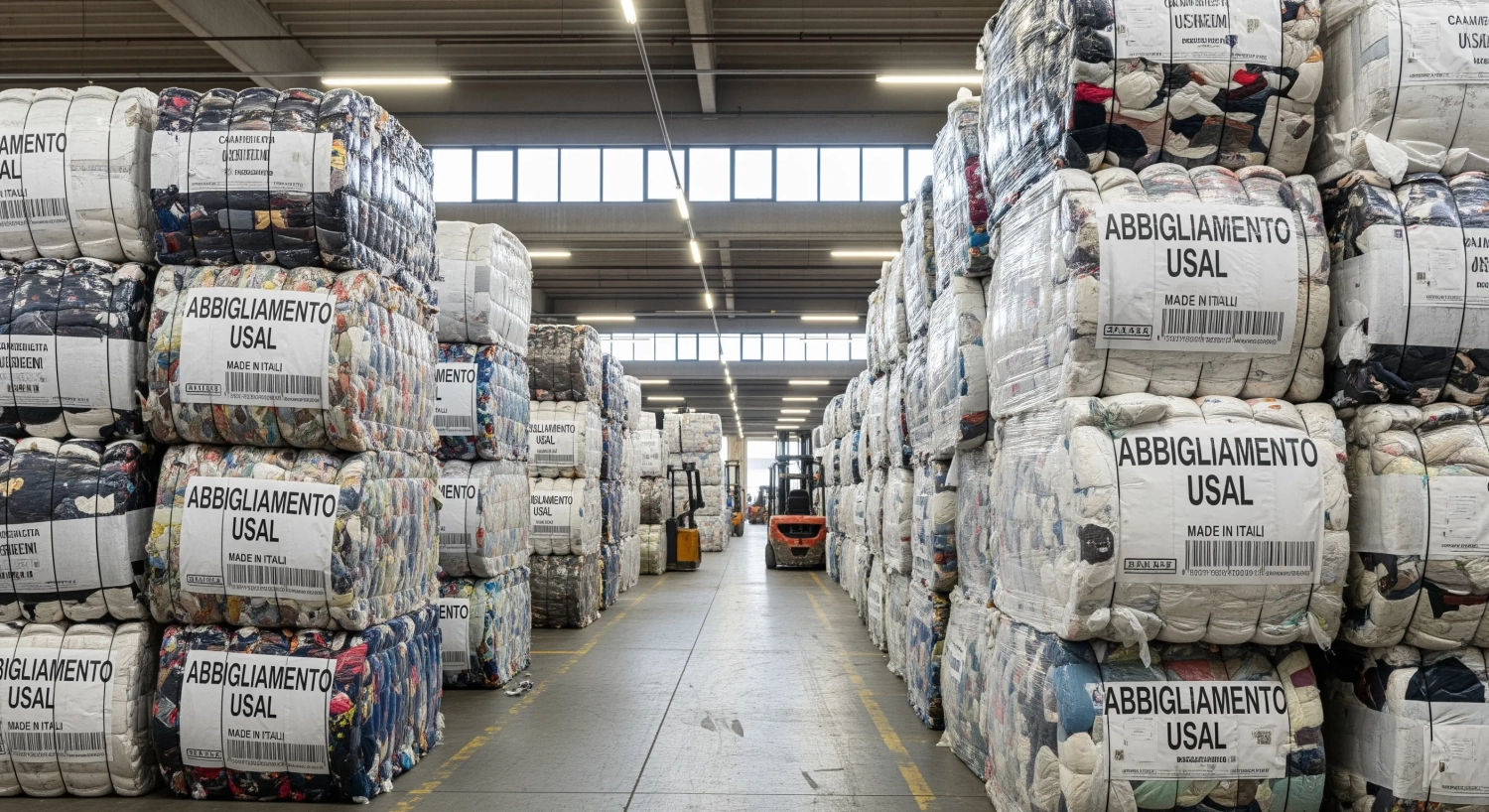
Wholesale used clothing in the UK represents a significant opportunity for B2B buyers seeking high-quality vintage and branded items in bulk. As a trade buyer, exploring the landscape of wholesale options allows you to stock your inventory with distinctive clothing at competitive prices. This guide will help you navigate through sourcing practices, logistics, and best suppliers, particularly from Italy and across Europe, enhancing your portfolio and customer offerings.
Table of Contents
- Understanding the Market
- Benefits of Italian Suppliers
- Bulk Purchase Logistics
- Quality Control in Wholesale
- Navigating Customs and Duties
- Risk Management in Sourcing
Understanding the Market
The second-hand clothing market continues to grow, with increasing demand for sustainable options. Trade buyers in the UK can benefit by tapping into this upward trend and sourcing high-quality bulk used clothing. The rise of eco-conscious consumers has created a lucrative avenue for wholesalers, especially when offering items that cater to specific styles like vintage and branded apparel.
According to industry insights, the demand for second-hand clothing is expected to grow, making it essential for B2B buyers to establish reliable sources.
Pro tip: Focusing on niche styles can differentiate your offerings from competitors and attract targeted customer segments.
Benefits of Italian Suppliers
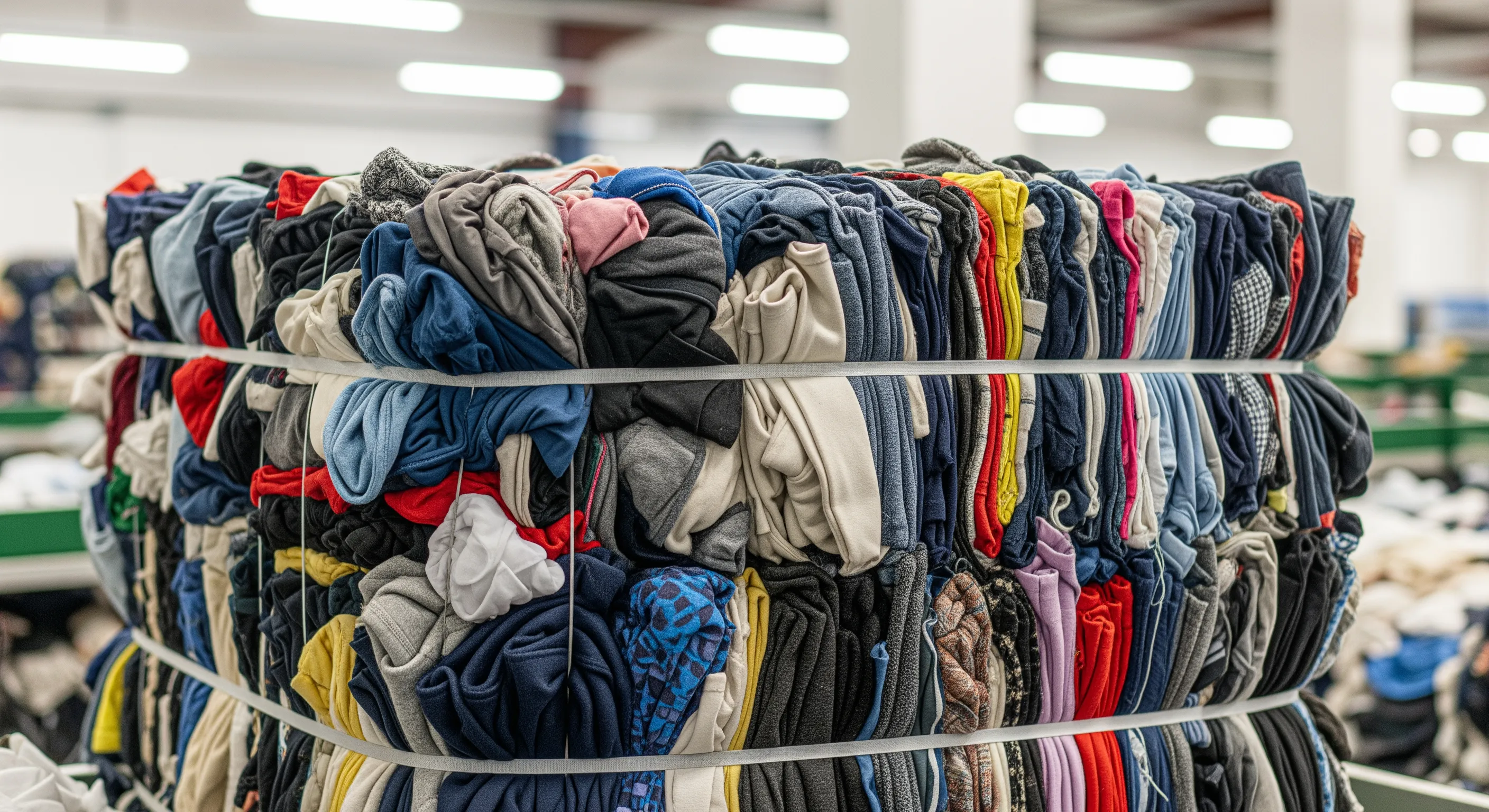
Italy is renowned for its fashion heritage, making it a prime source for second-hand clothing. Italian suppliers offer a variety of unique branded items that resonate well with UK buyers. By choosing to source from Italy, you’re ensured a higher grade of used clothing, often with better quality checks compared to other markets.
Additionally, Italian wholesale suppliers often provide transparent lots, enabling buyers to understand what they are purchasing. This transparency is crucial for risk management and inventory planning in the wholesale trade.
Pro tip: Leverage the unique styles from Italian fashion to enhance your product offerings and appeal to European consumers.
Bulk Purchase Logistics
Efficient logistics are vital when procuring wholesale used clothing. Establish relationships with suppliers offering comprehensive logistics services that include shipping, customs documentation, and storage options. This ensures a smoother process from the moment the order is placed to when the goods are received.
Incorporating logistical expertise can save time and resources. Look for suppliers that provide export services throughout Europe. Many Italian wholesalers are equipped to facilitate this, according to logistics experts, making it easier for UK buyers to navigate the complexities of cross-border trade.
Pro tip: Always assess a supplier’s logistics capabilities to avoid delays and ensure timely delivery to your customers.

Quality Control in Wholesale
Quality control is essential when buying wholesale used clothing, as the condition of items can vary significantly. Partnering with suppliers who conduct their in-house sorting and checking can help mitigate risks associated with damaged goods. This ensures that you receive high-quality items, reducing returns and increasing customer satisfaction.
Vetting suppliers for quality control measures is crucial. Always inquire about their grading systems for used clothing to ensure you are getting items that meet your standards. According to quality control guidelines, establishing a comprehensive understanding of the grading system can help you make informed purchasing decisions.
Pro tip: Always request samples before placing large orders to assess the quality of products firsthand.
Navigating Customs and Duties
When sourcing wholesale used clothing from Italy, understanding customs regulations and duties is paramount. Familiarize yourself with import regulations to avoid unexpected costs that can impact your bottom line. Many suppliers can provide the necessary customs documentation to streamline the process.
Work with a supplier who has experience in handling export logistics and can help you navigate these complexities. Resources like government customs guidance can provide further clarity on compliance requirements.
Pro tip: Keep abreast of changing regulations to ensure smooth transactions and avoid delays.
Risk Management in Sourcing
Every bulk purchase carries inherent risks, especially when dealing with second-hand clothing. Establishing clear risk management strategies can help mitigate potential problems in the sourcing process. Factors to consider include supplier reliability, product quality, and logistics efficiency.
Implementing a structured approach to risk management can improve profitability and operational efficiency. Utilize tools to monitor supplier performance and set up checks to identify any issues early. According to risk management specialists, effective source evaluation can save you from costly mistakes.
| Practical Risk | Cause | Mitigation |
|---|---|---|
| Supplier reliability | Inconsistent delivery | Establish multiple sources |
| Product quality | Damaged goods | Implement quality checks |
| Logistics | Delivery delays | Use efficient logistics partners |
| Market demand | Changing trends | Maintain flexible inventory |
Pro tip: Regularly reassess your risk management strategies to adapt to changing market conditions.
Unlock Reliable EU Stock and Faster Reorders with Italy Branded Wholesale Supply
For trade buyers who need consistent branded mixes, transparent grading, and export-ready paperwork, explore Italy Secondhand at italysecondhand.com. If you want a quick recommendation based on volumes, target category, and delivery country, contact the team here: Contact Us.
Frequently Asked Questions
What types of clothing can I buy wholesale?
You can purchase various types of second-hand clothing, including vintage, branded, and seasonal wear.
How can I ensure quality when buying in bulk?
Request samples and check the supplier's quality control practices before committing to a large order.
What are the shipping costs associated with importing?
Shipping costs vary based on the supplier, volume, and destination. Always inquire about these before purchasing.
Can I return defective items?
Return policies differ by supplier; you should review them before finalizing your order.