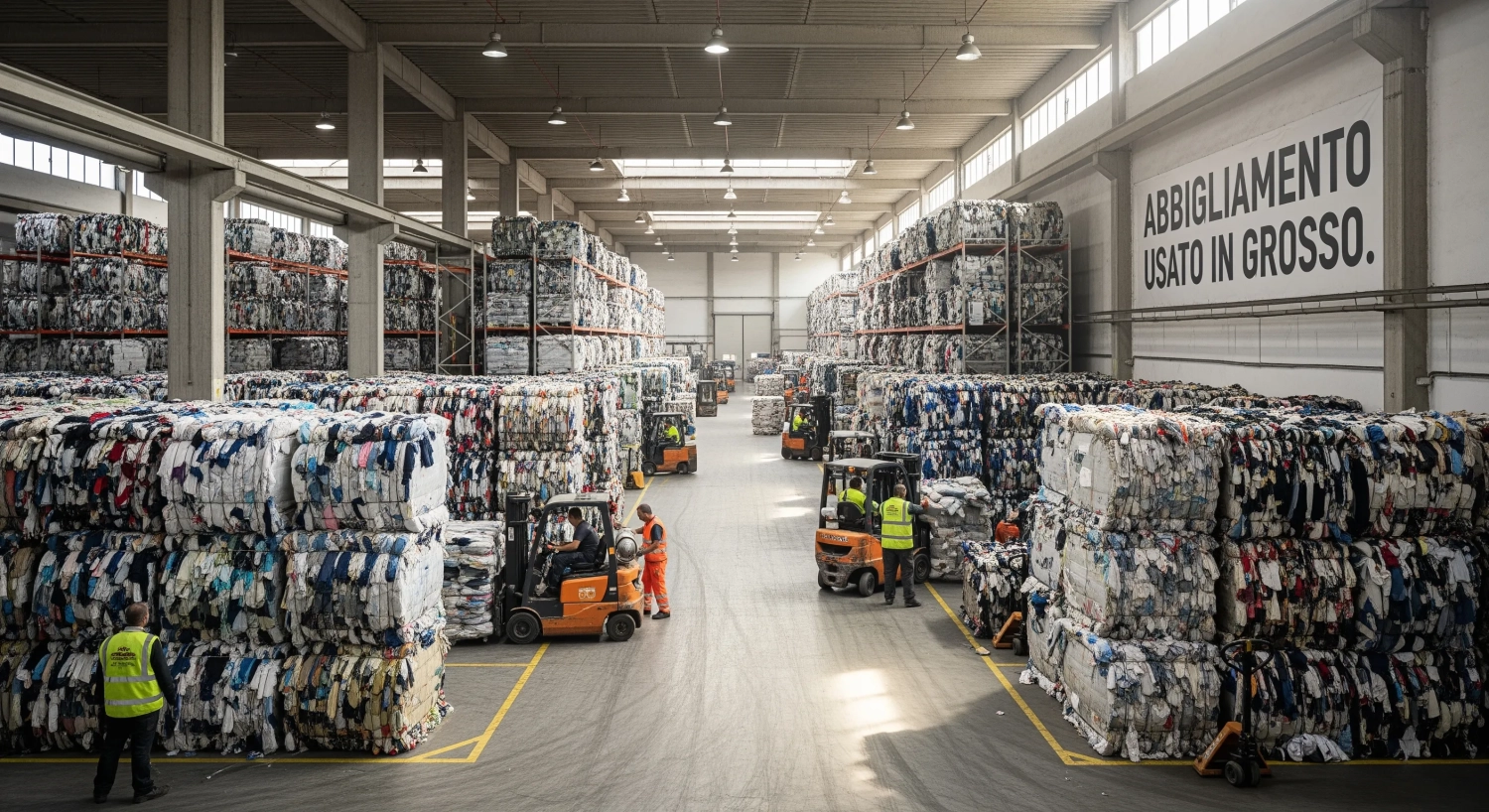
Exploring the market for abbigliamento usato prato ingrosso can unlock numerous opportunities for B2B buyers specializing in vintage clothing. Leveraging Italy's rich textile heritage, businesses can access high-quality second-hand clothing in bulk. This offering is perfect for wholesalers, store owners, and resellers across Europe looking to enhance their product lines with unique vintage pieces, all while ensuring they meet the expectations of modern consumers.
Table of Contents
- Understanding Abbigliamento Usato Prato Ingrosso
- Advantages of Choosing Vintage Clothing
- The Bulk Purchasing Process
- Quality Assurance and Sorting
- Export Logistics and Customs Guidance
- Risk Mitigation in Vintage Apparel Transactions
Key Takeaways
| Aspect | Details |
|---|---|
| MOQ | Common minimum order quantities vary by supplier. |
| Grading | Understanding grading standards is essential for quality assurance. |
| Logistics | Robust logistics strategies are vital for timely delivery. |
| Documents | Ensure all necessary export documents are in place. |
Understanding Abbigliamento Usato Prato Ingrosso
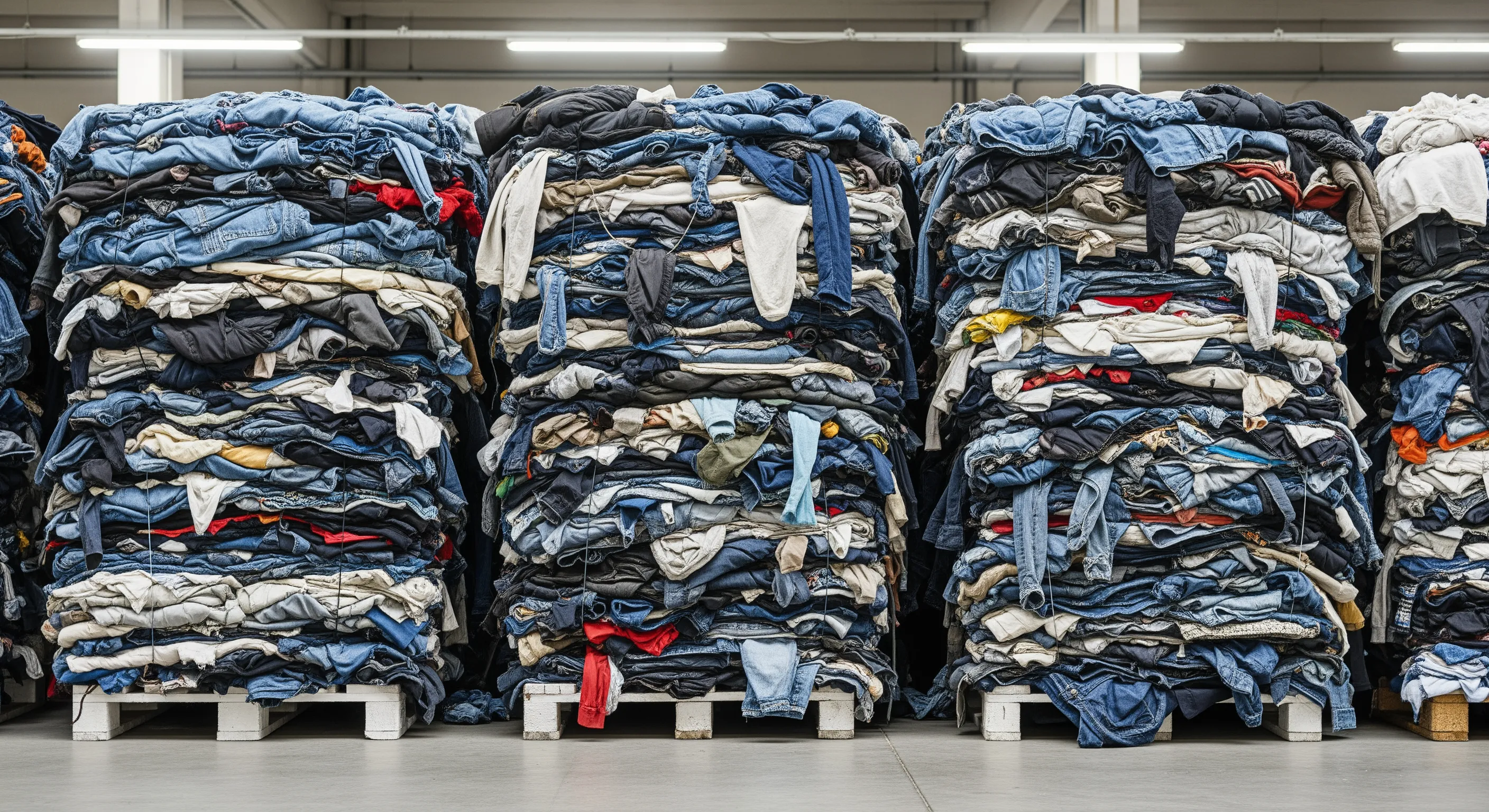
The term abbigliamento usato prato ingrosso refers to wholesale second-hand clothing sourced from Italy, renowned for its quality and style. This market provides wholesale buyers with access to unique, branded items in bulk, allowing for diverse product offerings. Companies can effectively cater to niche markets while keeping a competitive edge.
Price points for this vintage apparel can vary based on brands, quality, and demand. Understanding consumer preferences in different regions can significantly determine the types of clothing to stock. By analyzing trends, wholesalers can strategically select appropriate inventory.
Pro tip: Always stay updated with current trends by analyzing consumer feedback and seasonal preferences.
Advantages of Choosing Vintage Clothing
Choosing vintage clothing offers a myriad of benefits, including sustainability, uniqueness, and cost-effectiveness. As consumers increasingly prioritize eco-friendly practices, sourcing second-hand clothing aligns with these values. Wholesalers can capitalize on this trend by marketing their products as sustainable and ethically sourced.
Moreover, vintage clothing often boasts unique styles and quality craftsmanship that appeal to discerning customers. This differentiates offerings from contemporary fast fashion, creating value in the resale market.
Pro tip: Highlight the unique stories of individual pieces to engage customers and enhance the perceived value.
The Bulk Purchasing Process
For wholesalers venturing into the bulk purchasing of vintage clothing, a well-defined process is crucial. Start by establishing a reliable supplier who aligns with your business goals. Conducting factory visits to assess sorting and quality control practices can ensure the integrity of the products. Communication regarding order specifications, delivery schedules, and payment terms is essential.
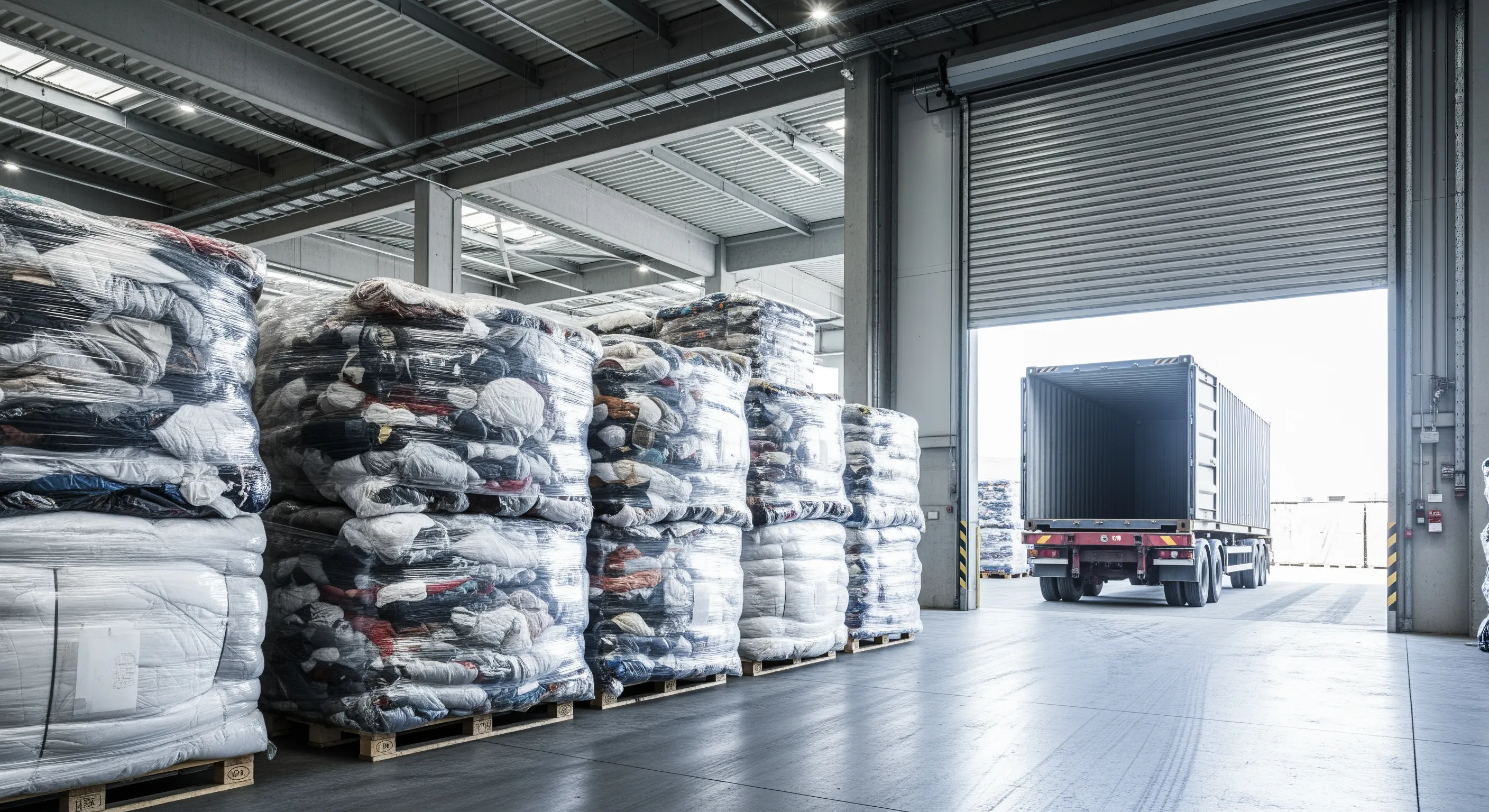
The purchasing of bales comprising mixed vintage clothing offers flexibility in inventory selection. Wholesalers can customize their orders based on specific customer preferences and trends.
Pro tip: Establish a good relationship with your supplier to facilitate smooth negotiations and future orders.
Quality Assurance and Sorting
Ensuring quality assurance and effective sorting processes are foundational aspects when purchasing second-hand clothing in bulk. Reliable suppliers should implement in-house sorting and assessments of each item, categorizing them based on brand, condition, and style.
This transparency in sorting allows wholesalers to avoid the pitfalls often associated with blind bags and ensures that each lot meets established quality standards. Familiarizing yourself with grading systems helps in communicating effectively with suppliers.
Pro tip: Regularly verify the sorting standards employed by your supplier to maintain quality assurance.
Export Logistics and Customs Guidance
In exporting second-hand clothing from Italy, logistics and customs are critical factors. Wholesalers must ensure they’re well-acquainted with import regulations in their destination countries to navigate customs successfully. This involves preparing accurate invoices and customs documentation to prevent delays.
Collaborating with logistics partners who specialize in the clothing export industry can streamline the shipping process. Availability of land, sea, and air freight options allows flexibility and cost-effectiveness.
Pro tip: Develop a checklist for necessary export documents to ensure smooth transactions.
Risk Mitigation in Vintage Apparel Transactions
Engaging in the vintage apparel market brings with it certain risks. Identifying potential issues, ranging from quality discrepancies to shipping delays, is crucial for successful operations. Implementing risk management strategies can help mitigate these concerns.
| Practical Risk | Cause | Mitigation |
|---|---|---|
| Quality Issues | Inadequate sorting processes | Regular supplier audits |
| Shipping Delays | Logistical disruptions | Multiple shipping partners |
| Documentation Errors | Incomplete paperwork | Checklists and verification processes |
| Consumer Returns | Quality mismatches | Clear communication and customer feedback |
Pro tip: Establish a risk management team to proactively address potential issues.
Unlock Reliable EU Stock and Faster Reorders with Italy Branded Wholesale Supply
For trade buyers who need consistent branded mixes, transparent grading, and export-ready paperwork, explore Italy Secondhand at italysecondhand.com. If you want a quick recommendation based on volumes, target category, and delivery country, contact the team here: Contact Us.
Frequently Asked Questions
What is abbigliamento usato prato ingrosso?
It refers to wholesale second-hand clothing sourced from Italy, characterized by its quality and style.
How do I ensure quality when purchasing vintage clothing in bulk?
Working with reliable suppliers who implement stringent sorting and grading processes is essential.
What documentation do I need for exporting second-hand clothes?
Accurate invoices and customs documents are required to ensure compliance with regulations.
What are the advantages of selling vintage clothing?
Vintage clothing offers unique styles, sustainability, and aligns with consumer demand for eco-friendly practices.