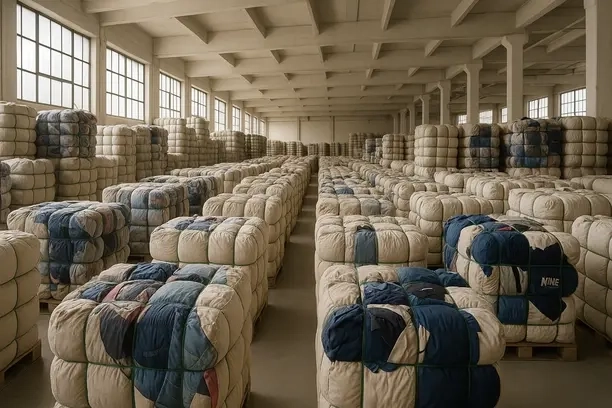
In the booming B2B market for wholesale second-hand clothing, Italy stands out as a key supplier of premium vintage and branded options. Resellers and wholesalers can find unique and high-quality selections perfect for attracting customers in Europe. With a transparent sourcing process and a range of export support, bulk purchasing of second-hand clothes provides businesses with a sustainable and profitable avenue for retail growth.
Table of Contents
- Understanding Deadstock and Sustainability
- The Benefits of Bulk Purchases
- Consumer Attitudes and Market Trends
- Navigating Export Logistics
- Our Commitment to Quality
- Risk Mitigation Strategies
Understanding Deadstock and Sustainability
The concept of deadstock plays a significant role in the fashion industry, where unsold inventory can contribute to waste and environmental harm. According to industry research, understanding the root causes of deadstock can help wholesalers manage their inventory more efficiently.
This research also emphasizes sustainable practices, which are becoming increasingly important for businesses looking to reduce their ecological footprint. By opting for second-hand clothing, resellers can contribute to a circular economy, wherein garments are reused and recycled rather than discarded.
Pro tip: Focus on sourcing options that prioritize sustainability to enhance your brand's reputation and customer loyalty.
The Benefits of Bulk Purchases
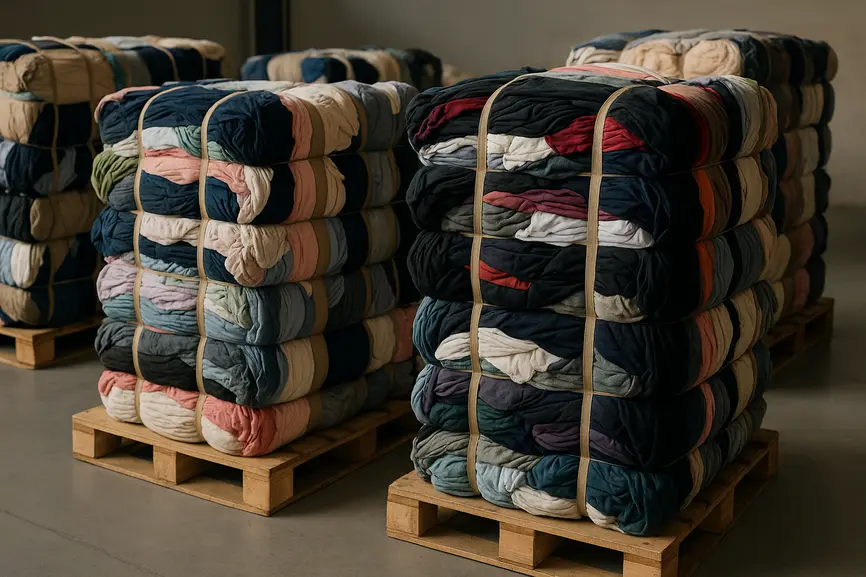
Bulk purchases of second-hand clothing allow resellers to not only diversify their stock but also to benefit from improved margins. By buying in larger quantities, trade buyers can take advantage of economies of scale, reducing the cost per item significantly. This is especially true in the context of Italy, where premium quality is the hallmark of second-hand garments.
Moreover, with recent findings demonstrating the increasing consumer preference for sustainable fashion, wholesalers can tap into a growing market. The ability to showcase unique and quality vintage pieces can set a reseller apart from competitors in the wholesale marketplace.
Pro tip: Consider offering exclusive vintage collections to attract niche markets and enhance customer retention.
Consumer Attitudes and Market Trends
Shifts in consumer attitudes towards second-hand clothing have been notable in recent years. Research indicates that, as people become more environmentally conscious, there is a stronger inclination to purchase used garments. A study on consumer behavior highlights the importance of price, quality, and ethical considerations in purchasing decisions.
For resellers, adapting to these trends means embracing transparency and quality assurance when curating collections. Unique vintage pieces are particularly appealing to younger consumers, who seek distinctiveness in their fashion choices.
Pro tip: Regularly analyze market trends to anticipate consumer preferences and adjust your sourcing strategies accordingly.
Navigating Export Logistics
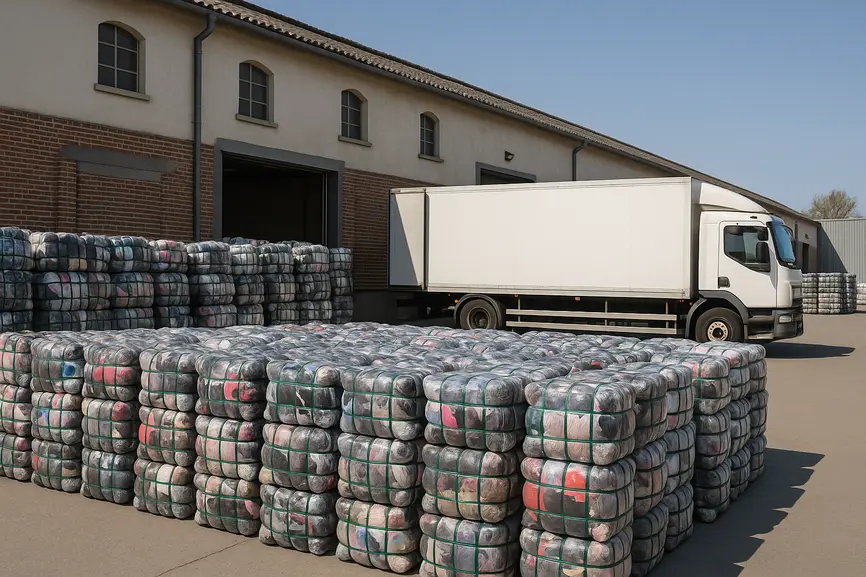
When buying second-hand clothing in bulk, logistics becomes a crucial consideration. Italy Secondhand specializes in streamlining export logistics, ensuring that buyers receive their orders efficiently. Accurate customs documentation is necessary for smooth transactions, especially when shipping across Europe.
Moreover, knowing the regulations on used textiles helps to avoid unexpected delays or costs. Collaboration with logistics experts enhances reliability in the supply chain, making the buying process easier for trade buyers.
Pro tip: Work with experienced logistics partners to minimize delays and ensure compliance with all regulations.
Our Commitment to Quality
At Italy Secondhand, quality control is paramount. We ensure that all second-hand clothing is thoroughly sorted and graded before being made available for purchase. Our in-house processes help prevent the sale of damaged or unsellable items.
According to recent reports, the European market has seen a significant increase in the export of used textiles, indicating a demand for high-quality second-hand products. Transparency in our operations builds trust with our clients.
Pro tip: Invest in building a reliable quality assurance process that enhances customer satisfaction and repeat business.
Risk Mitigation Strategies
Engaging in the wholesale second-hand market presents its own unique challenges. To navigate these, it is crucial to implement risk mitigation strategies. A comprehensive understanding of potential risks associated with the sourcing and resale of second-hand clothing can protect trade buyers from financial setbacks.
| Inconsistent quality | Variable standards in grading | Implement strict quality checks |
| Supply chain disruptions | Dependence on single suppliers | Diversify supplier options |
| Regulatory challenges | Changing import/export regulations | Stay informed on legal updates |
| Market fluctuations | Consumer demand variability | Maintain flexible pricing strategies |
Pro tip: Regularly assess risks and adjust strategies accordingly to ensure business resilience.
Unlock Reliable EU Stock and Faster Reorders with Italy Branded Wholesale Supply
For trade buyers who need consistent branded mixes, transparent grading, and export-ready paperwork, explore Italy Secondhand at italysecondhand.com. If you want a quick recommendation based on volumes, target category, and delivery country, contact the team here: Contact Us.
Frequently Asked Questions
What are the benefits of buying second-hand clothes in bulk?
Buying second-hand clothes in bulk allows resellers to gain economies of scale, reducing costs and enhancing margins.
How does Italy Secondhand ensure quality?
We perform in-house sorting and quality checks to ensure that all items meet high standards before purchase.
What should I consider when exporting second-hand clothing?
It's important to be aware of customs regulations and to work with logistics partners to avoid delays.
Why are consumer attitudes shifting towards second-hand clothing?
Increased environmental awareness and a desire for unique items are driving consumers to seek second-hand options.