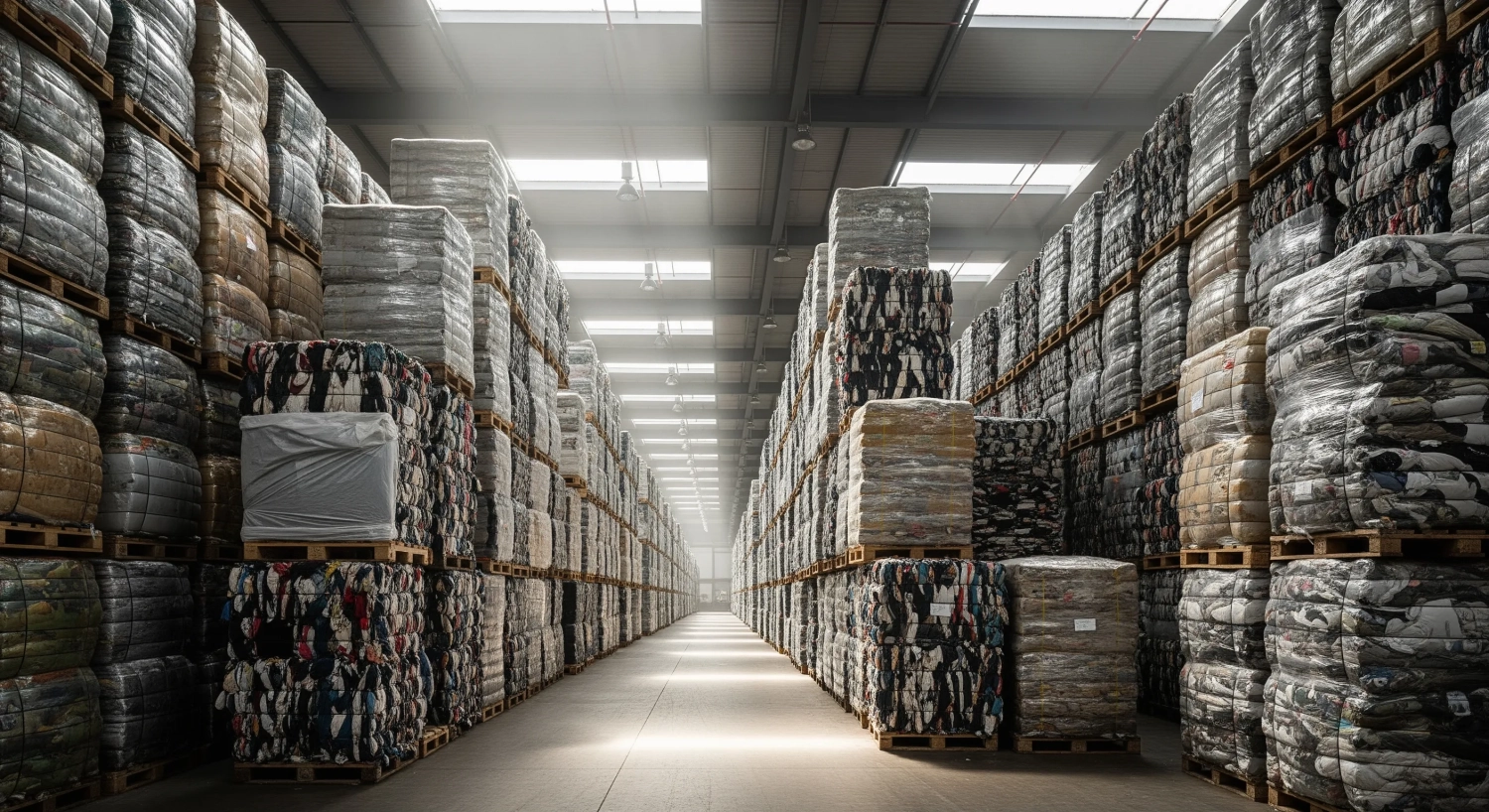
For B2B buyers seeking to source second-hand clothing in bulk, Italy stands out as a reliable hub. With a robust network of suppliers specializing in vintage and branded clothing, trade buyers can secure high-quality products tailored to diverse market needs. This article will guide you through the ins and outs of purchasing second-hand clothes in bulk, emphasizing the benefits of working with Italy-based suppliers and the specific logistics involved in wholesale transactions.
Table of Contents
- Why Choose Italy for Bulk Second Hand Clothing?
- Understanding the Bulk Clothing Market
- Top Italian Suppliers of Second Hand Clothes
- How to Secure the Best Deals
- Mitigating Risks in Second-Hand Sourcing
- Shipping and Logistics for Second Hand Clothing
Why Choose Italy for Bulk Second Hand Clothing?
Italy is renowned for its rich textile history and fashion-forward approach, making it an optimal source for second-hand clothing in bulk. Italian suppliers prioritize quality, ensuring that apparel meets the standards required by trade buyers across Europe. Additionally, the country's strong cultural ties to fashion create a unique assortment of vintage pieces that appeal to various demographics.
According to industry insights, Italy's second-hand clothing market has seen significant growth, driven by increasing consumer demand for sustainable and eco-friendly fashion choices.
Pro tip: Leverage Italy's unique fashion heritage by sourcing directly from local suppliers who understand market trends.
Understanding the Bulk Clothing Market
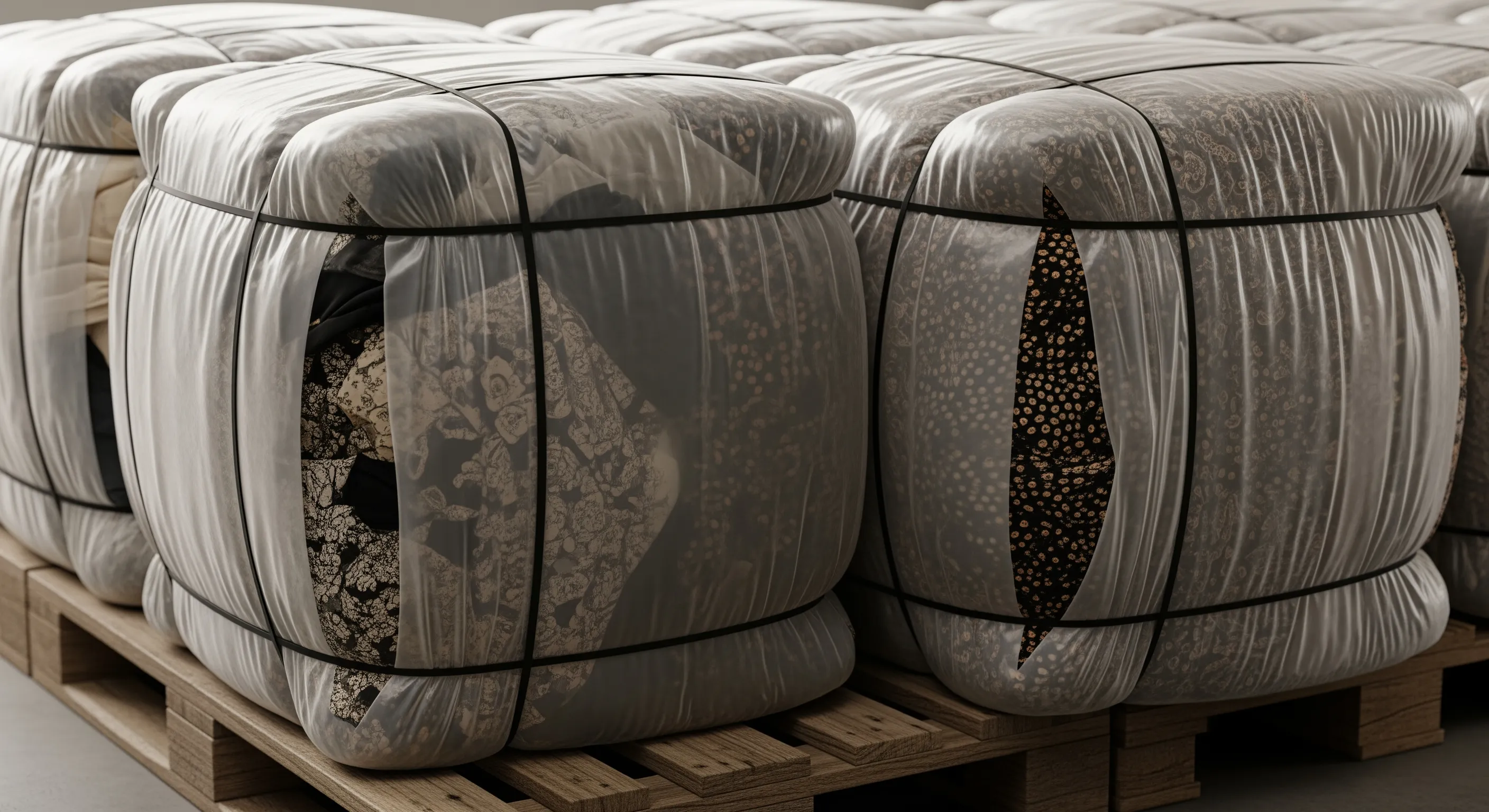
The bulk clothing market is characterized by varying qualities and types of garments, often classified into distinct categories. Buyers should familiarize themselves with terms like "graded bales" and "mixed lots" to better navigate their purchasing options. Graded bales typically feature specific quality levels, while mixed lots may offer a wider range of styles.
As noted in market analyses, understanding these distinctions is vital for ensuring that trade buyers receive the quality and variety they expect. This insight becomes crucial when planning inventory and sales strategies.
Pro tip: Conduct thorough research on the specific quality grading systems used by your suppliers to ensure you understand what to expect.
Top Italian Suppliers of Second Hand Clothes
Numerous Italian suppliers specialize in offering bulk second-hand clothing. Notable ones include companies that curate vintage collections, offering everything from casual wear to designer pieces. Establishing a solid relationship with these suppliers can lead to consistent product availability and tailored stock.
Buyers should consider reaching out to local trade shows and industry events where these suppliers showcase their offerings. This not only provides a chance to see products firsthand but also allows for personal networking opportunities.
Pro tip: Prioritize suppliers who can provide post-sale support, such as detailed invoices and export documentation.
How to Secure the Best Deals
To grab the best deals on second-hand clothes, trade buyers should focus on negotiation tactics. Building rapport with suppliers can lead to better pricing and exclusive access to new arrivals. Additionally, maintaining consistent ordering volumes can enhance bargaining power.
Understanding the logistics of your supply chain also contributes to minimizing costs. According to shipping estimates, consolidating orders and choosing efficient shipping routes can lead to significant savings over time.
Pro tip: Use digital communication platforms to maintain ongoing dialogues with suppliers for improved deal-making.
Mitigating Risks in Second-Hand Sourcing
While sourcing second-hand clothing offers many advantages, potential risks exist that buyers need to navigate. These include quality inconsistencies, shipping delays, and fluctuating market prices. By implementing risk management strategies, trade buyers can mitigate these challenges effectively.
Establishing quality control measures is paramount. As highlighted in risk management reports, suppliers who maintain strict quality guidelines can help ensure that buyers receive the expected standard of products.
| Practical Risk | Cause | Mitigation |
|---|---|---|
| Quality Inconsistencies | Lack of grading systems | Work with regular suppliers with clear grading |
| Shipping Delays | Poor logistics management | Choose reliable shipping partners |
| Price Fluctuations | Market volatility | Negotiate fixed long-term contracts |
| Supply Chain Disruptions | Unforeseen events | Maintain buffer stock levels |
Pro tip: Regularly review supplier performance and shipping timelines to identify potential risks proactively.
Shipping and Logistics for Second Hand Clothing
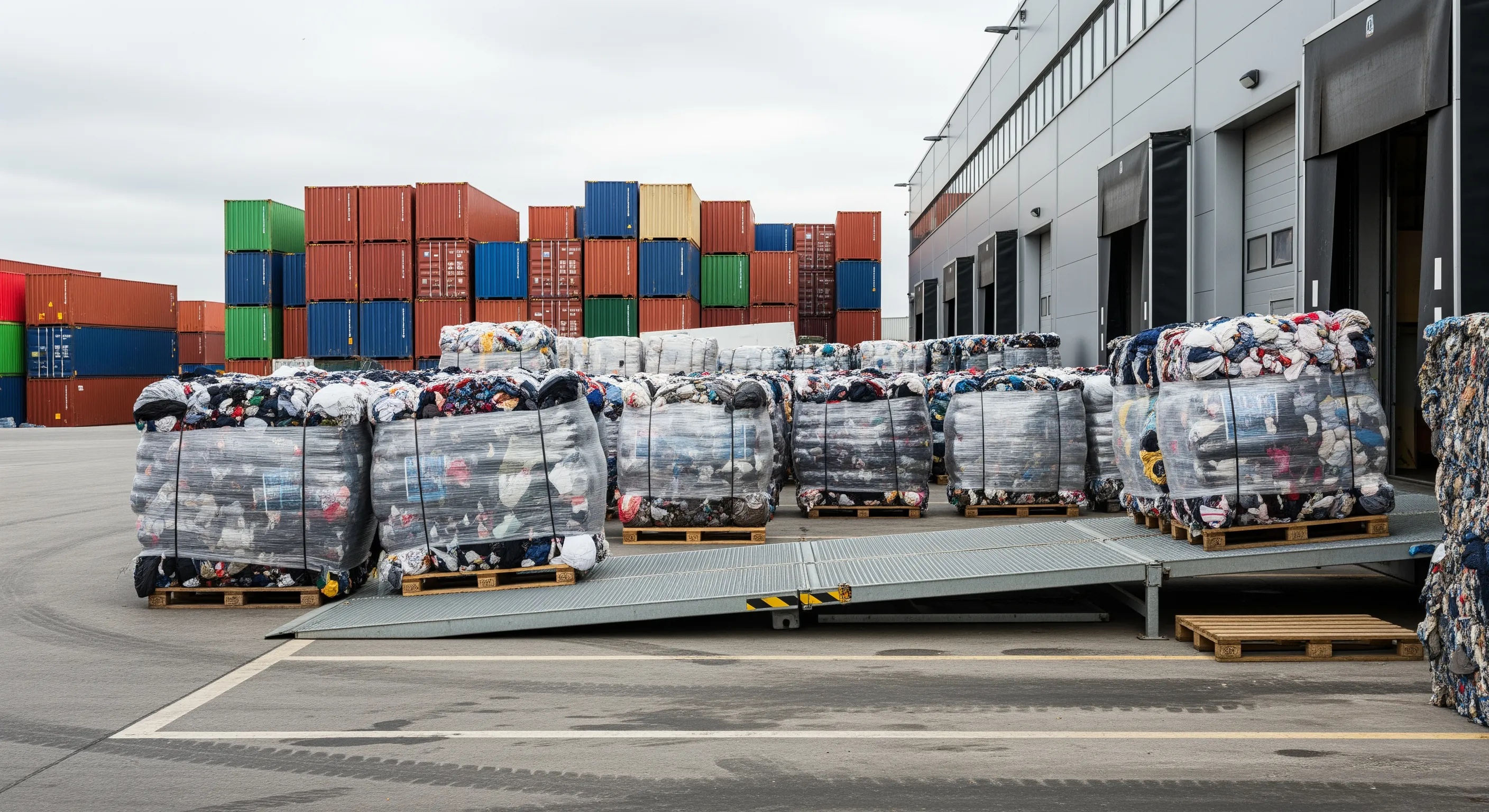
Efficient shipping and logistics are crucial elements of sourcing second-hand clothing. Understanding the various international shipping regulations and customs processes enhances a buyer's ability to receive products smoothly.
Buyers should work with suppliers who are adept at providing all necessary documentation, including invoices and customs forms, to streamline this process. As per shipping guides, proper documentation can save time and prevent costly delays.
Pro tip: Establish a system for monitoring shipment status to ensure timely delivery.
Unlock Reliable EU Stock and Faster Reorders with Italy Branded Wholesale Supply
For trade buyers who need consistent branded mixes, transparent grading, and export-ready paperwork, explore Italy Secondhand at italysecondhand.com. If you want a quick recommendation based on volumes, target category, and delivery country, contact the team here: Contact Us.
Frequently Asked Questions
What types of second-hand clothing can I buy in bulk?
You can purchase a variety of second-hand clothing including vintage styles, branded items, and casual wear in bulk depending on supplier offerings.
How do I ensure the quality of the clothing?
Establishing relationships with trusted suppliers who offer graded lots can help ensure consistent quality in your bulk purchases.
Are there risks associated with buying second-hand clothes?
Yes, risks include quality inconsistencies and shipping delays, but these can be mitigated through proper supplier selection and logistical planning.
What documentation do I need for importing second-hand clothing?
Documentation typically includes invoices, packing lists, and any required customs declarations.