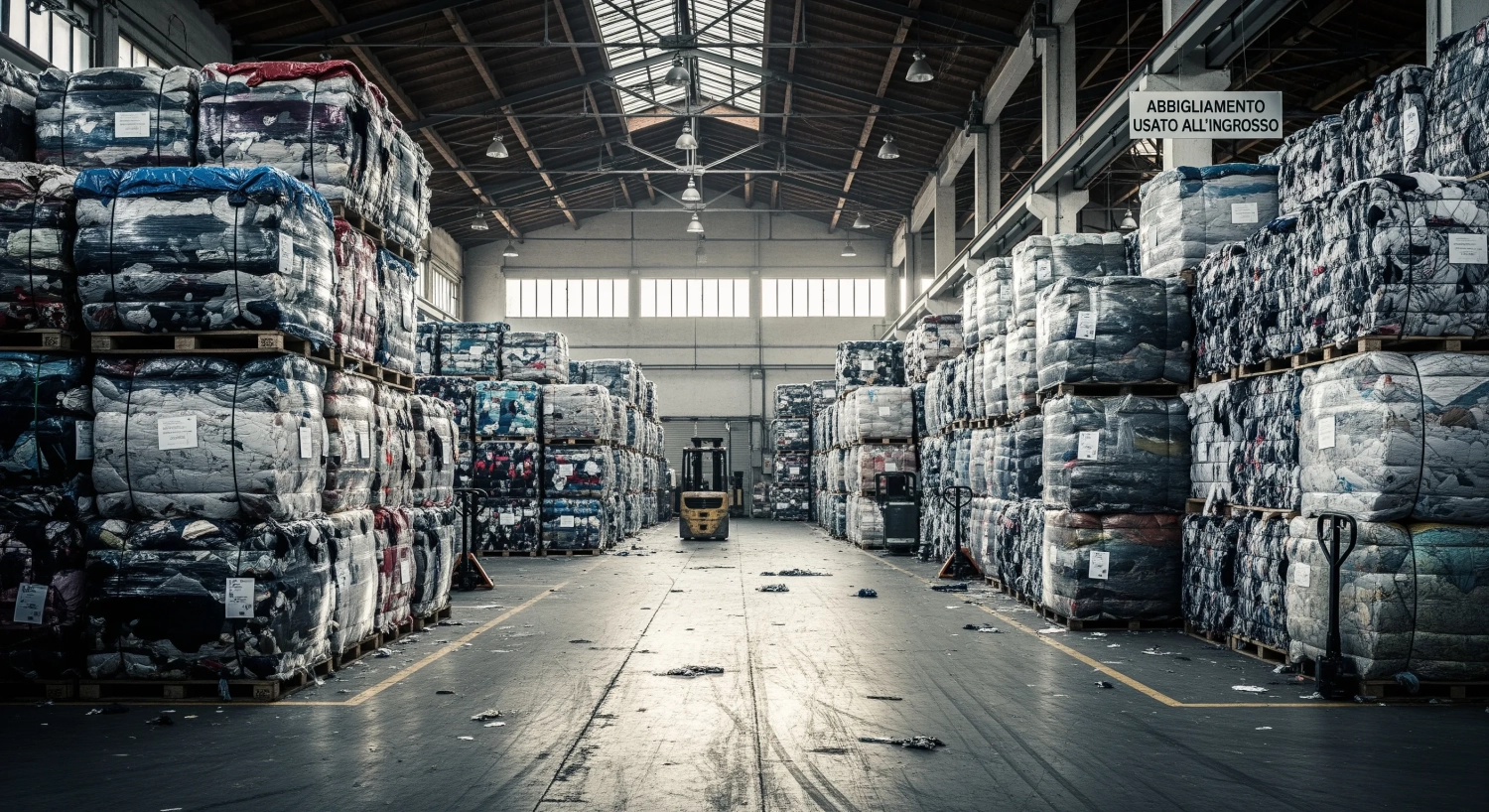
Finding reliable sources for used clothing wholesale can be pivotal for B2B operations across Italy and Europe. This guide will assist trade buyers in identifying reputable suppliers, ensuring quality bulk secondhand clothing is accessible. With an emphasis on transparency and logistics, these suppliers can help streamline your inventory sourcing process.
Table of Contents
- Understanding the Used Clothing Market
- Benefits of Sourcing Locally
- Transparency in Sourcing
- Logistics and Shipping Considerations
- Risk Mitigation in Wholesale
- The Role of Quality Control
Understanding the Used Clothing Market
The used clothing market has grown exponentially over the last few years, driven by sustainability trends and consumer demand for unique items. Wholesale suppliers play a vital role in this ecosystem, particularly for B2B trade buyers. According to EU trade data, there has been a notable increase in the volume of used clothing being exported across Europe.
Trade buyers can benefit from understanding market trends and consumer preferences in various regions. By aligning their stock with local tastes, vendors can improve their turnover rates, reducing the risk of holding unsold inventory.
Pro tip: Stay updated with seasonal trends and consumer preferences to optimize your purchasing strategy.
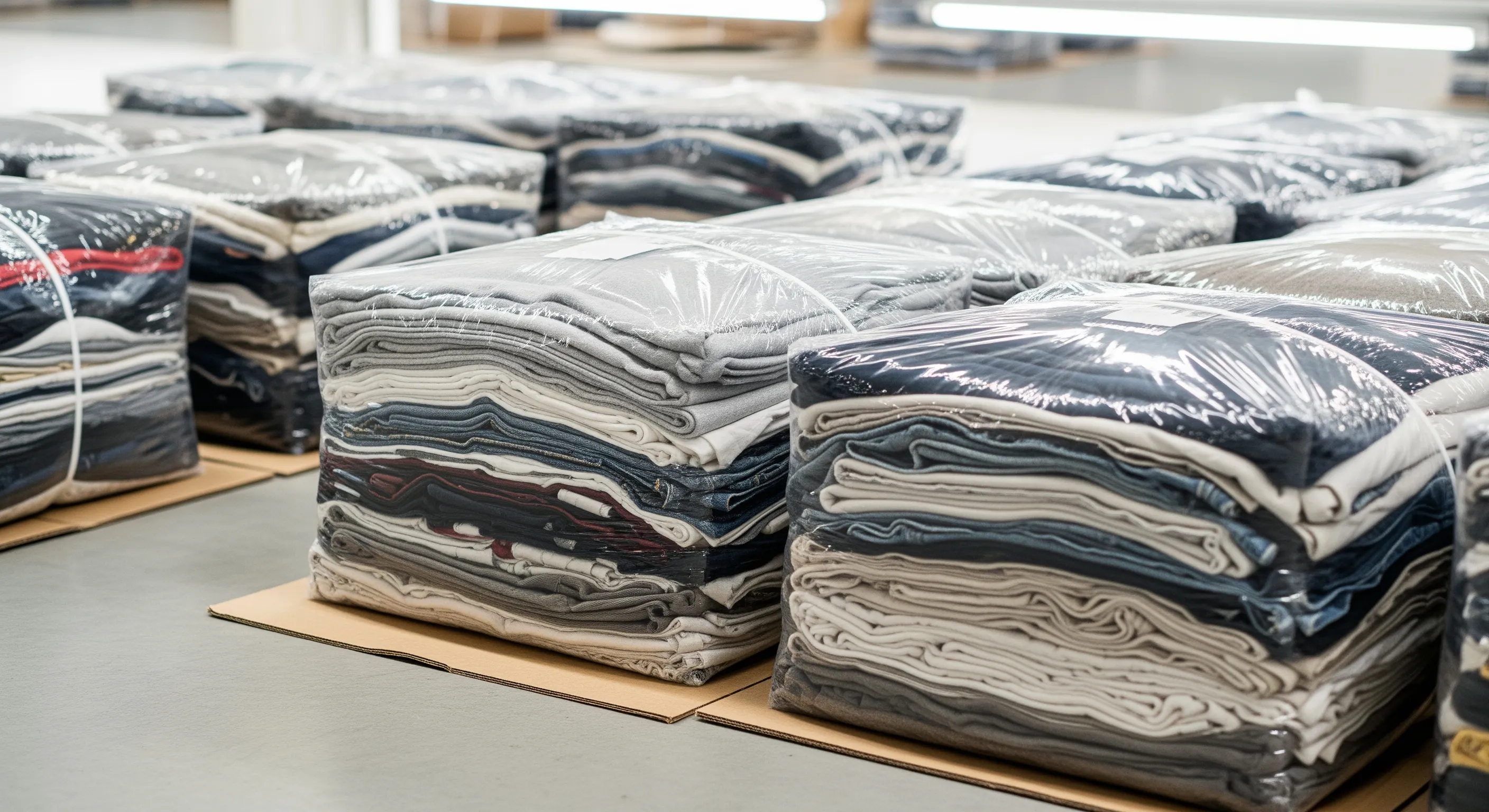
Benefits of Sourcing Locally
Sourcing used clothing locally presents numerous advantages for B2B buyers. It allows for faster turnaround times, as logistics can be streamlined. Suppliers based in Italy, for example, have a deep understanding of local fashion trends and quality standards. This local knowledge can be invaluable when selecting stock for resale.
Moreover, maintaining relationships with local suppliers fosters trust and reliability, encouraging consistent quality. Buyers can visit facilities, inspect lots, and establish personal connections, enhancing transparency in transactions.
Pro tip: Building lasting relationships with local suppliers can lead to better deals and exclusive offers.
Transparency in Sourcing
Transparency is crucial in the secondhand clothing market. Reputable suppliers disclose the composition of their clothing lots, ensuring buyers understand what they are purchasing. This practice helps in avoiding surprises during inventory assessment.
For instance, large bulk lots can be sorted according to brand, type, or seasonality, allowing for informed purchasing decisions. A supplier that provides detailed descriptions of their offerings signals their commitment to quality.
Pro tip: Always request detailed descriptions and samples before making large purchases.
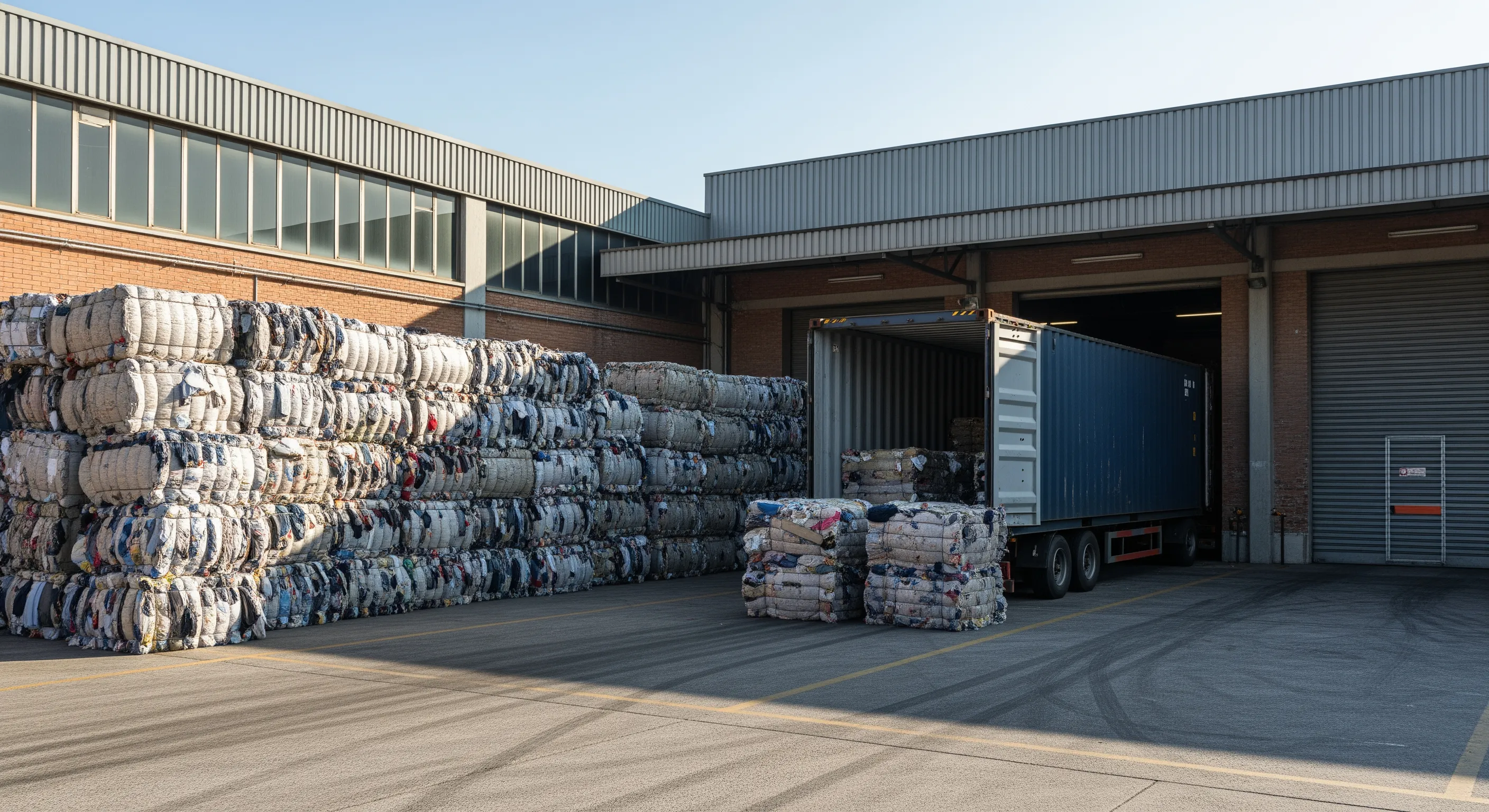
Logistics and Shipping Considerations
When sourcing used clothing wholesale, logistics and shipping are paramount. Buyers must account for the costs and timelines involved in transporting goods from suppliers to their own locations. Efficient shipping partners can mitigate delays and ensure smooth operations.
Understanding customs regulations is also vital. Proper documentation can avoid costly delays at borders, providing a seamless experience for buyers. For shipping across Europe, clear customs guidance is essential.
Pro tip: Ensure all necessary customs documents are prepared ahead of shipments to avoid unexpected delays.
Risk Mitigation in Wholesale
In the wholesale business, several risks need to be managed effectively. The quality of clothing can sometimes vary, which is why quality checks at the supplier’s facility are essential.
Additionally, understanding the minimum order quantity (MOQ) helps control financial exposure. A smaller MOQ reduces risk, allowing buyers to test suppliers before committing to larger orders. Regular communication with suppliers can also help mitigate risks associated with fluctuating styles and market demands.
| Practical Risk | Cause | Mitigation |
|---|---|---|
| Quality Variability | Inconsistent sorting | Conduct pre-purchase inspections |
| Market Changes | Shifting consumer preferences | Regular trend analysis |
| Logistical Delays | Customs hold-ups | Prepare documents in advance |
| Financial Exposure | High MOQ | Choose lower MOQs to test |
Pro tip: Always verify supplier ratings and customer feedback to minimize risk.
The Role of Quality Control
Implementing robust quality control processes is essential in maintaining product standards in wholesale clothing. Buyers should request information about sorting practices and quality checks from suppliers.
Investing in quality control not only improves customer satisfaction but also enhances return on investment. Efficient quality processes lead to fewer returns and dissatisfied customers, promoting the growth of your business over time.
Pro tip: Regularly review supplier performance and adjust strategies as necessary to ensure quality control remains effective.
Unlock Reliable EU Stock and Faster Reorders with Italy Branded Wholesale Supply
For trade buyers who need consistent branded mixes, transparent grading, and export-ready paperwork, explore Italy Secondhand at italysecondhand.com. If you want a quick recommendation based on volumes, target category, and delivery country, contact the team here: Contact Us.
Frequently Asked Questions
What types of secondhand clothing are available for wholesale?
Wholesale suppliers typically offer a range of secondhand clothing, including seasonal trends, branded items, and mixed lots.
How can I ensure the quality of the clothing I am purchasing?
Request samples, visit suppliers’ facilities, and establish clear quality control standards.
What is the minimum order quantity for wholesale purchases?
The MOQ varies by supplier, so it’s important to check with them directly for specific requirements.
What logistics should I consider for importing secondhand clothing?
Consider shipping costs, customs regulations, and documentation when importing goods across borders.