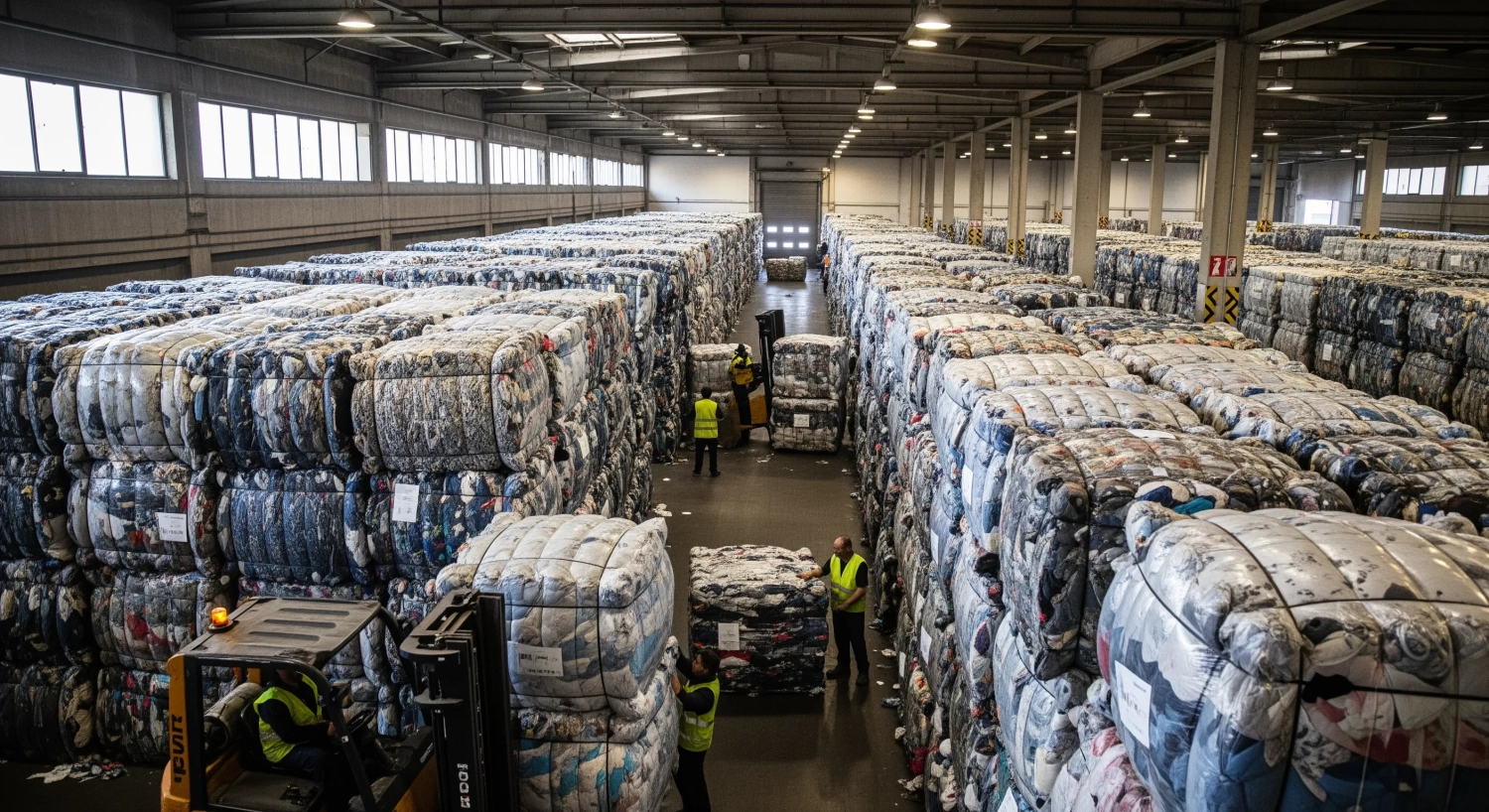
In today's climate-conscious market, sourcing wholesale used clothing near me is not just smart—it's essential. At Italy Secondhand, we specialize in providing B2B buyers across Europe with bulk second-hand and vintage clothing that meets diverse retail needs. Our transparent lots ensure that you know exactly what you're getting, with in-house sorting and quality control. Whether you're looking for branded mixes or preparing for export, we can guide you through our efficient logistics and support your business's growth.
Table of Contents
- Understanding Wholesale Used Clothing
- Sourcing Second-Hand Clothing
- Benefits of Vintage Clothing
- Navigating Ramifications of Logistics
- Risk Management When Purchasing Bulk Clothing
- Impact of Second-Hand Clothing Trade on EU Market
Key Takeaways
| Aspect | Description |
|---|---|
| Minimum Order Quantity (MOQ) | Understand the MOQ for bulk purchases to optimize inventory management. |
| Grading and Sorting | Grading ensures quality; inquire about sorting methods before purchase. |
| Logistics | Evaluate logistics to prevent delays in delivery and ensure timely stock replenishment. |
| Risk Control | Implement risk control strategies to mitigate issues related to product quality. |
Understanding Wholesale Used Clothing
Wholesale used clothing plays a pivotal role in the retail ecosystem, particularly for businesses focused on sustainability. This market helps alleviate the environmental impact of textile waste, which has become an increasing concern across the globe. According to a study, effective sorting and managing of textile waste is pivotal to enhancing sustainability in fashion practices (Textile waste from fashion shops).
A robust understanding of supply chains can empower B2B buyers to capitalize on trends, ensuring they have access to high-quality vintage and second-hand clothing suitable for their target markets.
Sourcing Second-Hand Clothing
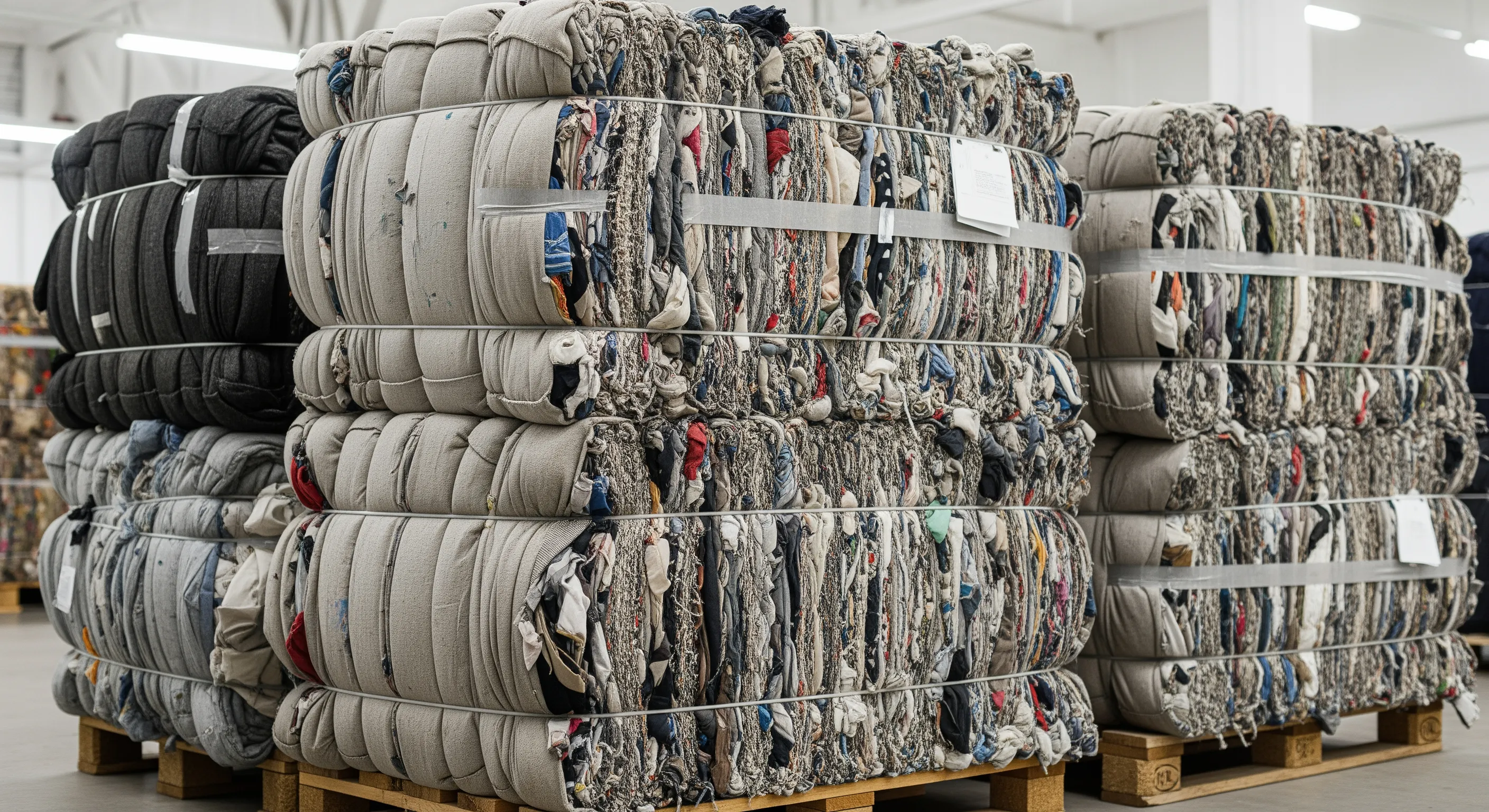
Sourcing wholesale used clothing near you can significantly streamline your business operations. By choosing reliable suppliers like Italy Secondhand, you are guaranteed transparency regarding your orders. Our process involves thoroughly sorting through garments to ensure quality, allowing for more precise selections tailored to your clientele (Sustainability impacts of global used clothing trade).
This approach not only supports local economies but also minimizes carbon footprints associated with clothing production. The high demand for second-hand clothing reflects a growing consumer consciousness surrounding sustainable fashion.
Benefits of Vintage Clothing
Choosing vintage clothing can dramatically set your business apart from competitors. Vintage pieces are often unique, allowing businesses to offer exclusive selections that capture customer interest. Additionally, vintage clothing tends to maintain durability, presenting a strong value proposition to buyers.
This market contributes to circular fashion, which aims to reuse items rather than dispose of them. Studies reveal that consumer attitudes toward sustainability significantly influence their purchasing decisions regarding second-hand clothing (Consumer attitude and disposal behaviour to second-hand).
Navigating Ramifications of Logistics
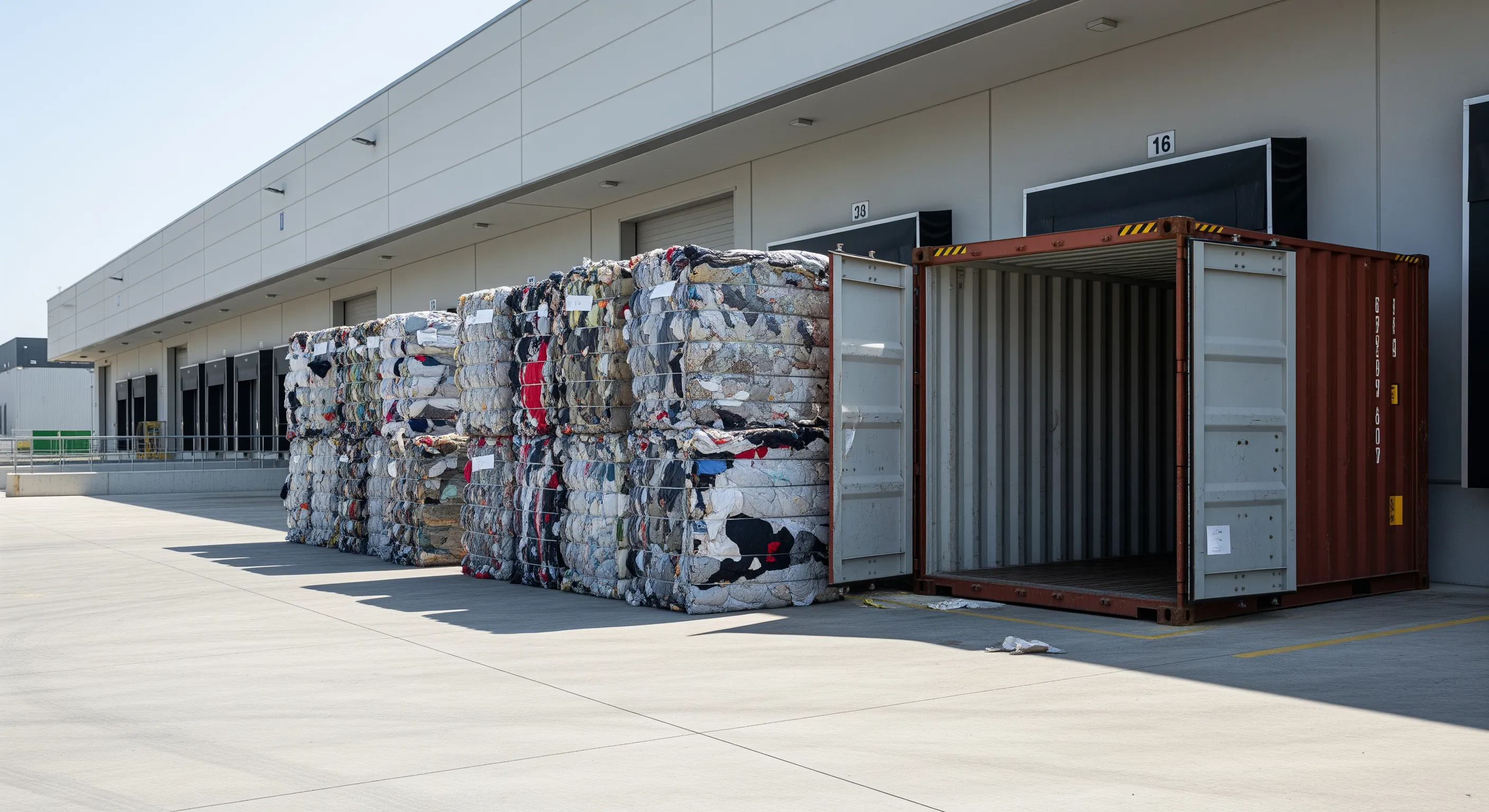
Efficient logistics is crucial in the wholesale used clothing business. Effective transportation methods impact not only costs but also the timeliness of deliveries. It's essential to partner with suppliers experienced in export logistics to ensure comprehensive documentation for every shipment (economic impact of second-hand clothes in Africa and the EU).
Understanding logistics allows businesses to scale operations seamlessly and avoid losses due to delays. Proper customs documentation and logistics strategies can enhance the buying experience and create operational efficiency.
Risk Management When Purchasing Bulk Clothing
Buying second-hand clothing in bulk comes with inherent risks, such as quality discrepancies or unexpected shipment delays. Establishing clear risk management practices helps mitigate these challenges and enhances overall customer satisfaction.
Implementing grading systems and thorough pre-purchase inspections can help secure better-quality garments for resale, reducing the risk of customer complaints and returns (GreenCCircuit).
Impact of Second-Hand Clothing Trade on EU Market
The second-hand clothing trade has a significant impact on the EU market, promoting sustainable practices while simultaneously generating economic opportunities. According to reports, the EU is witnessing an increasing volume of textile imports, with specific countries emerging as key players (DESTINATIONS OF DUTCH USED TEXTILES).
Such trends are reshaping consumer perceptions about purchasing second-hand clothing, positioning the EU as a leading region in circular fashion practices. Addressing the challenges related to this emergence can further strengthen its economic landscape.
(PDF) London's fashion footprint illustrates the critical challenges of waste management in the fashion supply chain, indicating the industry's need for systemic change.
Unlock Reliable EU Stock and Faster Reorders with Italy Branded Wholesale Supply
For trade buyers who need consistent branded mixes, transparent grading, and export-ready paperwork, explore Italy Secondhand at italysecondhand.com. If you want a quick recommendation based on volumes, target category, and delivery country, contact the team here: Contact Us.
Frequently Asked Questions
What are the benefits of purchasing wholesale used clothing?
Purchasing wholesale used clothing allows retailers to offer unique items at competitive prices, enhance sustainability efforts, and reduce textile waste.
How do I ensure quality in bulk orders?
Implementing a robust grading system and requesting samples can help ensure the quality of bulk orders before receiving full shipments.
What kind of paperwork is necessary for international shipments?
Comprehensive documentation, including invoices and export certificates, is essential for smooth international transactions.
How has the market for second-hand clothing evolved?
The market for second-hand clothing has seen substantial growth due to increasing consumer awareness of sustainability and the unique offerings of vintage items.