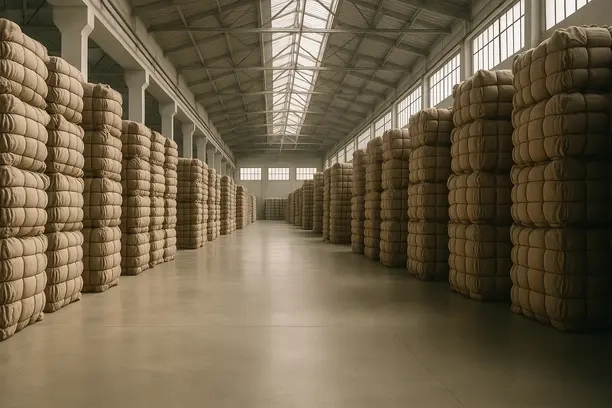
Discover a vast selection of second hand clothes wholesale in Italy, perfect for B2B buyers looking to enhance their inventory. Partnering with a reliable supplier means you can access quality bulk clothing mixes, ideal for resellers and exporters across Europe. With in-house sorting and quality control, you can trust that each lot reflects the highest standards, ensuring your customers are satisfied with their purchases.
Table of Contents
- What to Expect from Italian Wholesale Sources
- Understanding Bulk Clothing Purchases
- Exploring Vintage and Branded Mixes
- Logistics and Export Considerations
- Navigating Customs and Regulations
- Risk Mitigation in Wholesale Purchases
What to Expect from Italian Wholesale Sources
When engaging with second hand clothes wholesale suppliers in Italy, it’s crucial to know what to expect. Suppliers usually provide transparent grading and categorization of clothing lots, which helps trade buyers make informed decisions. Moreover, reputable suppliers prioritize quality and will allow potential buyers to view their facilities and sorting processes.
Italy Secondhand, for example, offers a facility near Marcianise (Caserta) where buyers can witness firsthand how clothing is sorted and classified, ensuring quality assurance. This level of transparency in the wholesale process builds trust and strengthens business relationships.
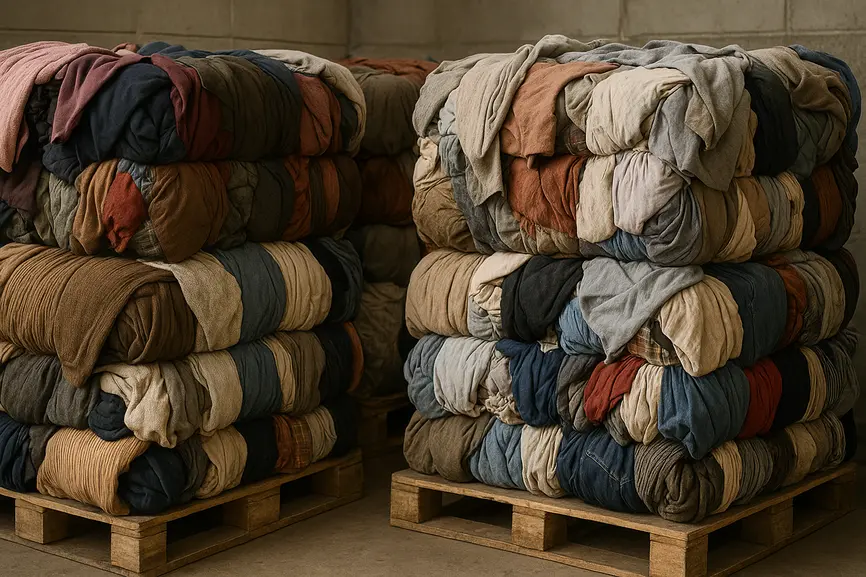
Pro tip: Always request a visit to your supplier's facility to better understand their quality control measures and processes.
Understanding Bulk Clothing Purchases
Understanding the purchasing process is essential for trade buyers looking to invest in wholesale clothing. Minimum order quantities (MOQs) can vary greatly, so it's important to verify these with your supplier upfront. Additionally, certain grades of clothes may be more desirable, impacting your purchasing decisions.
Trade buyers should be aware of various pricing structures as well. Some suppliers offer tiered pricing based on volume, while others may provide flat-rate pricing. Understanding these factors helps in budgeting and maximizing profit margins.
Pro tip: Analyze the grading reports provided by suppliers to ensure you are making informed purchasing decisions that align with your business needs.
Exploring Vintage and Branded Mixes
In the Italian wholesale market, vintage and branded mixes have become increasingly popular among buyers. These mixes often consist of high-quality clothing items from well-known brands, perfect for store owners aiming to attract discerning customers.
Choosing the right mix can greatly influence the resale value of your products. Suppliers like Italy Secondhand categorize their offerings into specific branded lots, allowing buyers to tailor their orders to meet consumer demand. This strategic approach enhances the likelihood of successful sales.
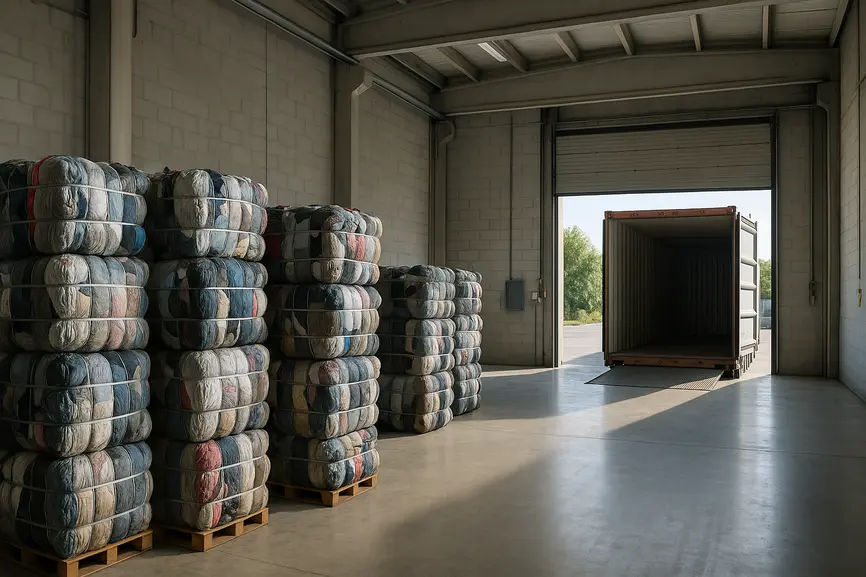
Pro tip: Consider the regional preferences of your target market when selecting mixes to ensure higher turnover rates.
Logistics and Export Considerations
Logistics play a critical role in the wholesale process, especially for exporters. Understanding shipping options, costs, and timelines helps you plan better and avoid delays. Suppliers should provide detailed logistics support, including customs documentation.
Utilizing a supplier that has established relationships with logistics partners can streamline the export process. Many Italian wholesale suppliers offer export logistics that tick all the boxes for trade buyers.
Pro tip: Always clarify shipping terms and potential additional costs that may arise during export to avoid surprises.
Navigating Customs and Regulations
Understanding customs regulations is crucial for successfully importing wholesale clothing. Each country has distinct regulations regarding textiles, so being well-informed is vital. Suppliers should provide documents that facilitate smooth customs clearance.
Trade buyers can also benefit from understanding the customs duty implications associated with their purchases. Navigating these complexities becomes easier when you have a reliable supplier who can guide you through the process.
Pro tip: Make use of customs guidelines provided by your supplier to ensure compliance and avoid potential delays.
Risk Mitigation in Wholesale Purchases
Risk control is a vital component of wholesale purchases. Establishing clear terms of purchase and conducting thorough due diligence on potential suppliers are key steps in mitigating risks. You should also maintain good communication with your supplier throughout the transaction.
An effective risk management strategy includes understanding the potential causes and devising ways to mitigate them. Here’s a simple table to consider when evaluating risk factors associated with wholesale clothing purchases:
| Unsatisfactory product quality | Inadequate quality control efforts | Request detailed grading reports and communicate directly with sorting teams. |
| Logistics delays | Unreliable shipping partners | Partner with established logistics firms your supplier recommends. |
| Customs issues | Lack of proper documentation | Ensure your supplier provides all necessary customs paperwork. |
| Financial losses | Unclear pricing structures | Clarify all pricing details and potential additional costs before finalizing orders. |
Pro tip: Regularly review supplier performance and order satisfaction to ensure ongoing risk management.
Unlock Reliable EU Stock and Faster Reorders with Italy Branded Wholesale Supply
For trade buyers who need consistent branded mixes, transparent grading, and export-ready paperwork, explore Italy Secondhand at italysecondhand.com. If you want a quick recommendation based on volumes, target category, and delivery country, contact the team here: Contact Us.
Frequently Asked Questions
What types of clothing can I find in bulk?
You can find a variety of clothing types, including vintage items, branded clothes, and seasonal fashion lines.
How can I ensure quality in my purchases?
Always request grading reports and if possible, visit the supplier’s facility to see their quality control processes.
What are the shipping options available?
Shipping options are typically flexible, including various freight services tailored for bulk orders.
How do I navigate customs regulations?
Consult with your supplier regarding necessary documentation to ensure compliance with local customs regulations.