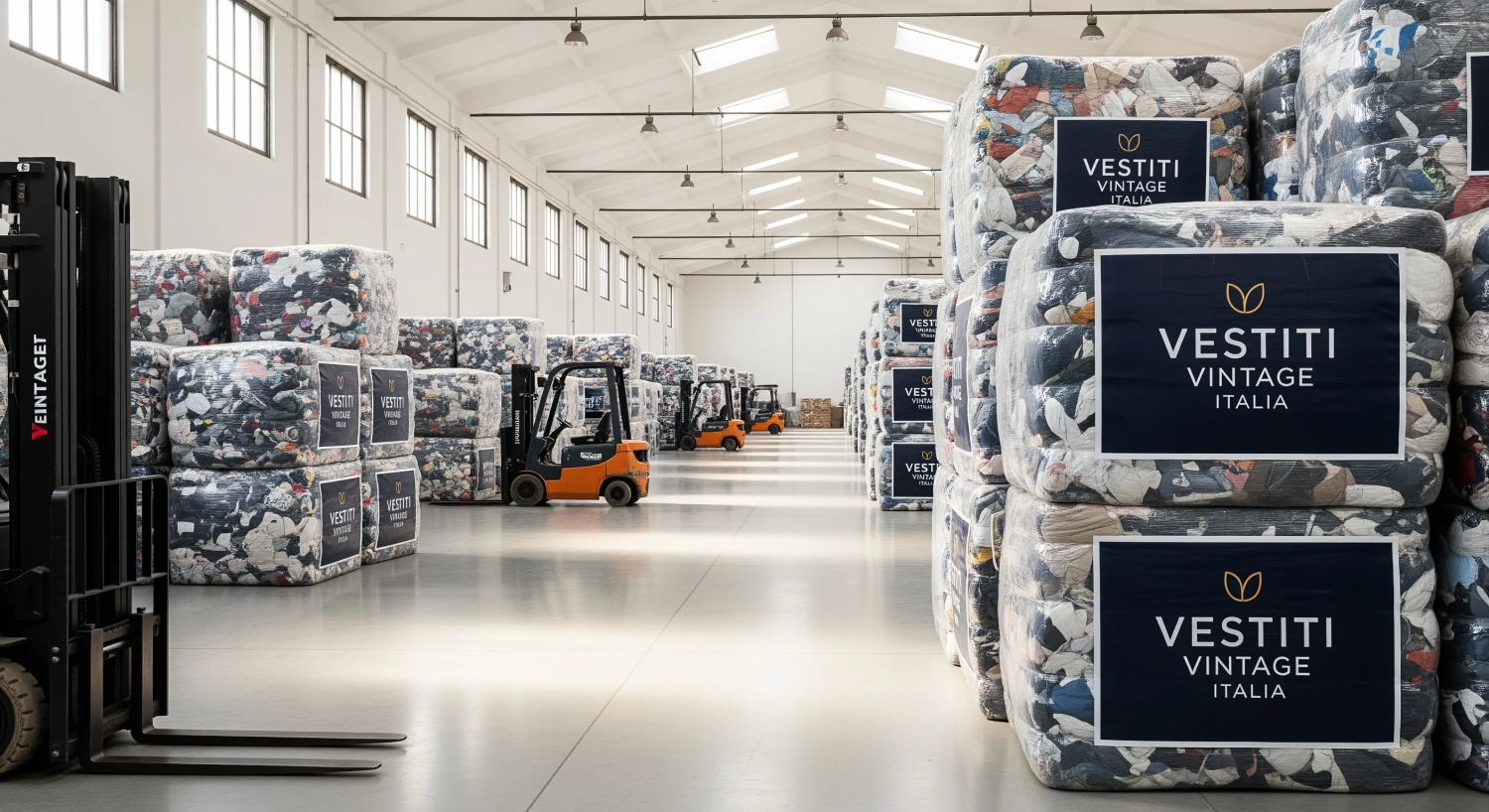
Wholesale branded second-hand clothing has become an essential source for B2B buyers across Europe. As trade buyers, wholesalers, and resellers seek high-quality products, focusing on premium abbigliamento usato firmato ingrosso offers significant advantages. Italy Secondhand specializes in providing bulk wholesale deals, prioritizing transparency and swift communication through platforms like WhatsApp. Understanding the nuances of sourcing and logistics can help streamline your business operations, enhancing profitability while ensuring compliance with regulations.
Table of Contents
- The Value of Branded Second-Hand Clothing
- How to Source Quality Bulk Lots
- Navigating EU Import Regulations
- Understanding Grading Systems
- Risk Mitigation in Wholesale Trading
- The Future of Vintage Clothing Bulks
The Value of Branded Second-Hand Clothing
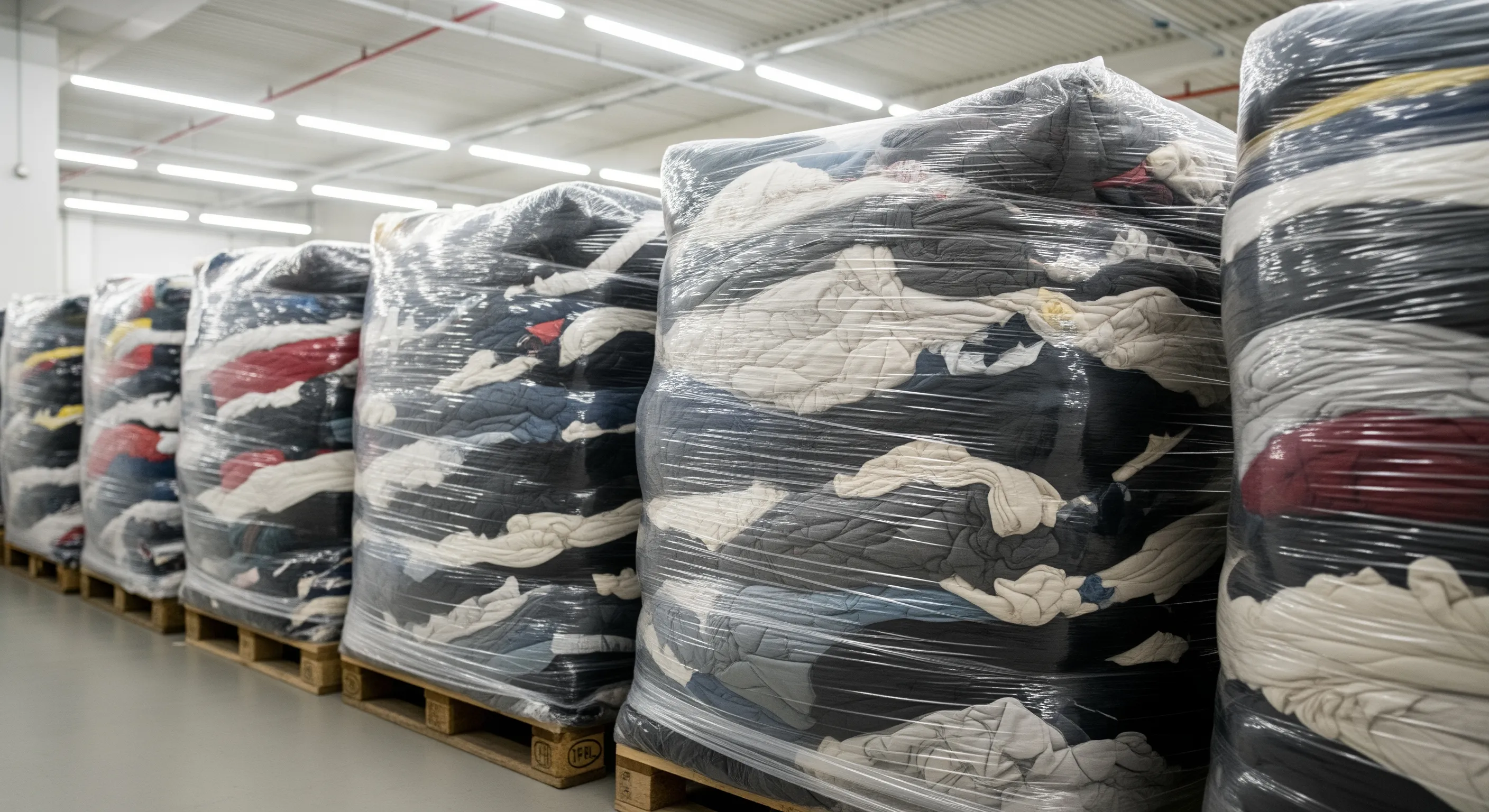
The demand for branded clothing continues to grow as consumers prioritize sustainability. For trade buyers, procuring quality second-hand options not only meets this demand but also presents a lucrative opportunity. According to industry reports, the market for second-hand clothing is projected to expand significantly over the next decade.
Branded items typically command higher prices, making them attractive for wholesale buyers. By offering recognized labels, you can enhance your value proposition to clients, ensuring quicker turnover and higher margins.
Pro tip: Always research the latest trends in consumer preferences to ensure your stock aligns with market demand.
How to Source Quality Bulk Lots
Sourcing quality bulk lots is crucial for successful trading. Start by establishing relationships with reputable suppliers who focus on thorough sorting and quality control. Transparency in the sourcing process is vital; buyers should avoid 'blind bags' and opt for clearly labeled products. Connection to local warehouses, such as those featured at Italy Secondhand, can significantly streamline your procurement process.
Consider utilizing platforms that specialize in wholesale lots. Engaging in trade shows and industry events can also provide insights into sourcing new suppliers.
Pro tip: Always verify supplier credentials and conduct site visits to build trust and ensure quality assurance.
Navigating EU Import Regulations
Import regulations can vary widely within Europe, making it essential for wholesale buyers to familiarize themselves with local laws. Understanding customs documentation, taxes, and duties is critical to avoiding potential pitfalls. According to customs guidance, ensuring compliance not only avoids fines but also facilitates smoother transactions.
Create a checklist of necessary documents, including invoices and shipping papers, before initiating imports to avoid delays. The importance of staying informed about changing regulations cannot be overstated, especially in the fast-evolving wholesale market.
Pro tip: Join industry associations for updates on regulatory changes affecting wholesale import/export.
Understanding Grading Systems
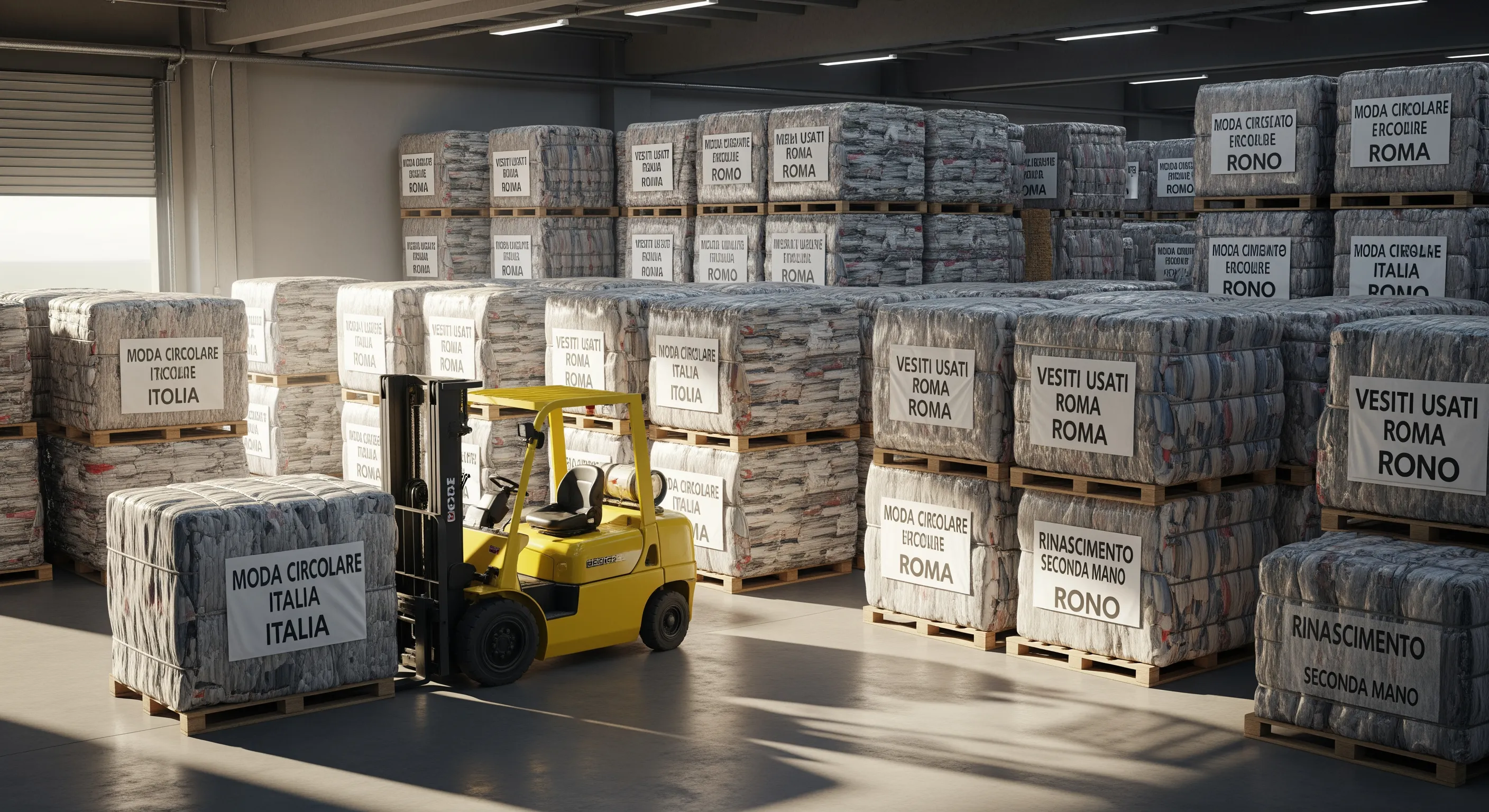
Grading systems are essential in the wholesaling of second-hand clothing, as they dictate the quality and pricing of products. Buyers should understand how items are categorized—usually into grades A, B, or C—based on condition and brand value. This classification directly influences resale opportunities and margins.
Establishing clear grading criteria when purchasing from suppliers helps in setting customer expectations and improving satisfaction. For more insights into grading practices, refer to industry standards.
Pro tip: Implement a consistent grading system in your business to foster trust and transparency with customers.
Risk Mitigation in Wholesale Trading
Every wholesale buyer should implement risk mitigation strategies to safeguard their investments. Common risks include poor quality stock, fluctuating demand, and regulatory changes. It’s essential to conduct regular market research to stay informed about trends that may affect inventory levels.
Building a diverse supplier base can help in mitigating risks associated with dependency on a single source. Regular assessments of supplier performance can also highlight potential issues before they escalate, ensuring quality and supply stability.
| Practical Risk | Cause | Mitigation |
|---|---|---|
| Poor Quality Stock | Inadequate Supplier Vetting | Implement Quality Audits |
| Fluctuating Demand | Market Instability | Diverse Product Range |
| Regulatory Changes | New Import Laws | Stay Informed |
| Supplier Dependence | Single Source Reliance | Diversification |
Pro tip: Regularly review supplier contracts and performance to minimize risks.
The Future of Vintage Clothing Bulks
The market for vintage clothing is rapidly evolving, and staying ahead requires innovation and adaptability. As consumers become acutely aware of environmental impacts, interest in vintage items is likely to increase. Businesses must be agile, adjusting inventory according to demand trends.
Networking with other wholesalers and participating in trade fairs can help keep you informed about shifts in vintage apparel markets, guiding inventory decisions. Leveraging social media and marketing channels further enhances brand visibility, attracting a dedicated customer base.
Pro tip: Engage with consumers through social media to gather insights on preferences and trends.
Unlock Reliable EU Stock and Faster Reorders with Italy Branded Wholesale Supply
For trade buyers who need consistent branded mixes, transparent grading, and export-ready paperwork, explore Italy Secondhand at italysecondhand.com. If you want a quick recommendation based on volumes, target category, and delivery country, contact the team here: Contact Us.
Frequently Asked Questions
What are the advantages of sourcing second-hand clothing in bulk?
Sourcing second-hand clothing in bulk allows businesses to access diverse inventory, maintain competitive pricing, and meet growing consumer demand for sustainable products.
How can I ensure the quality of the second-hand clothing I purchase?
Partner with reputable suppliers, implement strict quality control measures, and verify grades assigned to the items.
What documentation is required for importing second-hand clothing into the EU?
Documentation typically includes invoices, customs declarations, and proof of payment, which vary depending on the country of import.
What trends should I watch in the second-hand clothing market?
Focus on sustainability, branded vintage items, and localized sourcing as key trends influencing consumer behavior.