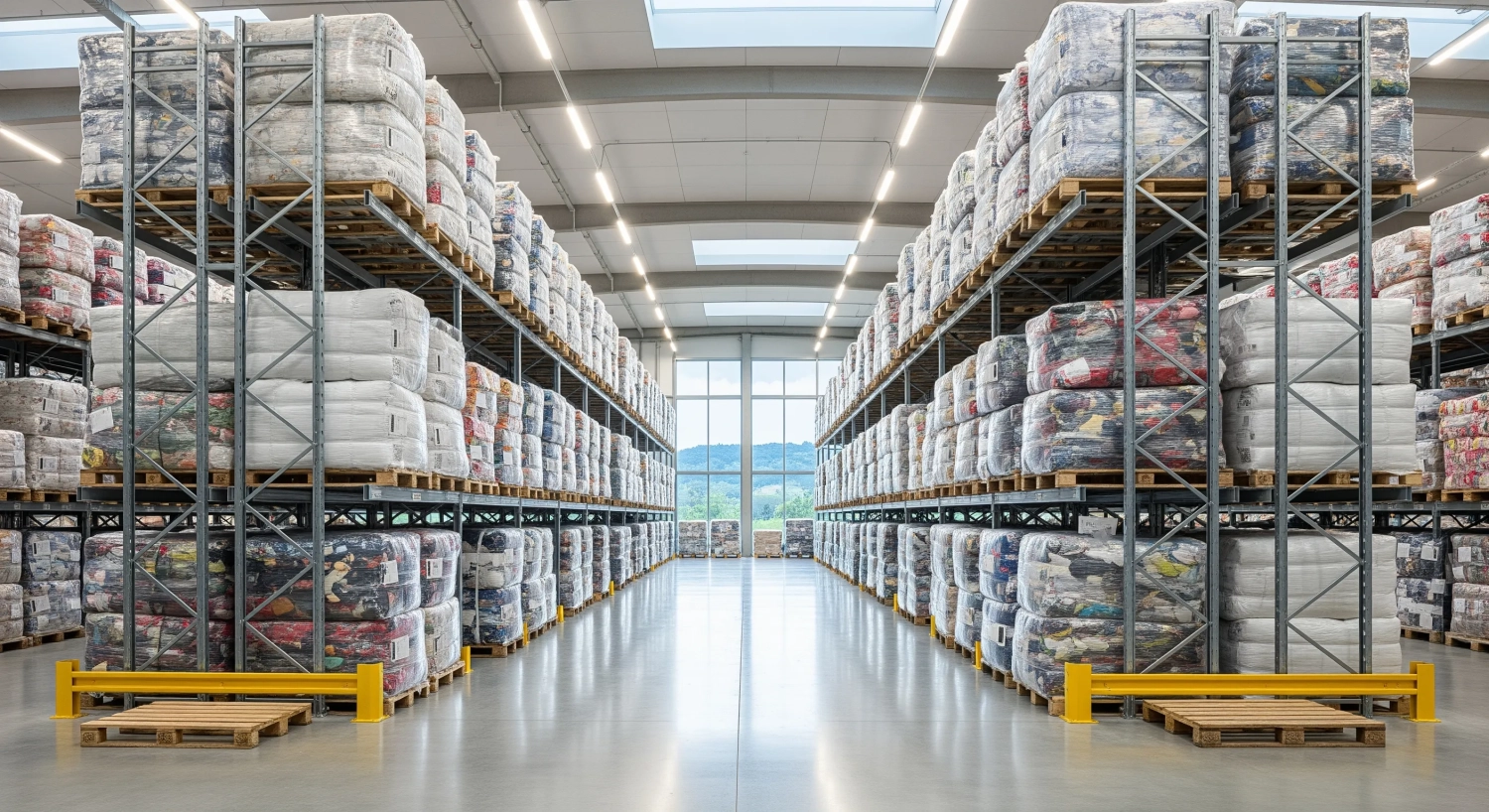
Wholesale second-hand clothing in Campania offers trade buyers an opportunity to source quality bulk supplies at competitive prices. This region is not only known for its rich textile culture but also for its organized logistics and transparent supply chains. Italy Secondhand is a leading supplier dedicated to providing wholesalers and resellers across Europe with a range of vintage and branded second-hand clothing mixes.
Table of Contents
- Overview of Wholesale Second-Hand Clothing
- Sourcing Branded Second-Hand Clothing
- Understanding Logistics for Effective Sourcing
- Quality Control in Second-Hand Clothing
- Risk Mitigation in Wholesale Clothing
- Export Documents and Customs Compliance
Key Takeaways
| Aspect | Details |
|---|---|
| MOQ (Minimum Order Quantity) | Typically starts at 100 kg for bulk orders. |
| Grading of Goods | Thorough grading ensures quality and satisfaction for end users. |
| Logistics Strategy | Responsive logistics can significantly reduce delivery times. |
| Documentation for Trade | Invoices and customs documents are crucial for smooth transactions. |
Overview of Wholesale Second-Hand Clothing
The wholesale second-hand clothing market in Campania is thriving due to increasing demand for sustainable fashion. Brands are increasingly turning towards second-hand clothing as a viable profit source. This shift not only benefits businesses but also contributes to sustainability by reducing waste.
This bustling market caters specifically to wholesalers, resellers, and exporters seeking bulk supplies. As a result, Campania has emerged as a preferred destination for trade buyers throughout Italy and Europe.
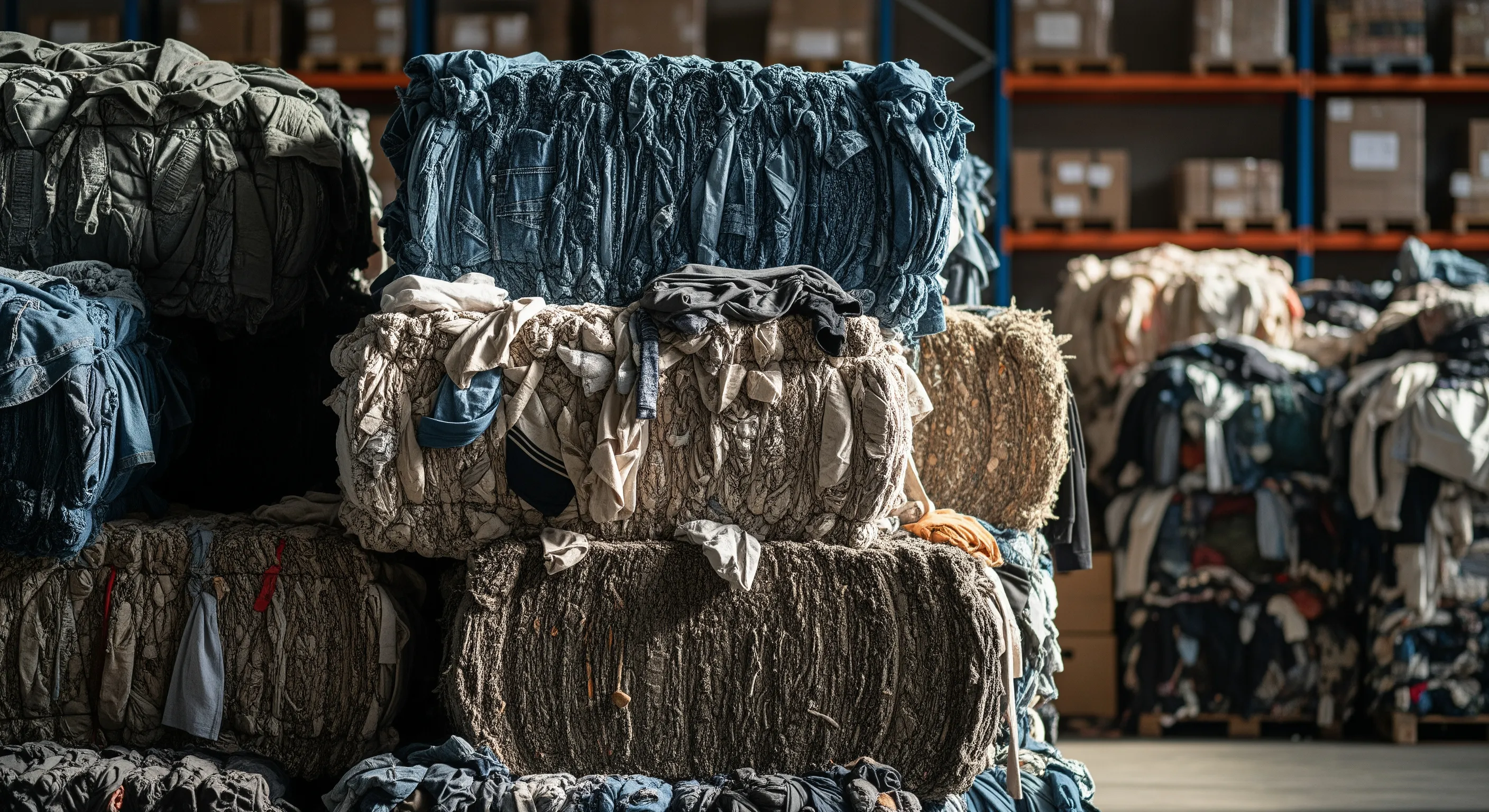
Pro tip: Look for suppliers who offer full transparency in their bales, allowing for informed purchasing decisions.
Sourcing Branded Second-Hand Clothing
Sourcing branded second-hand clothing requires an understanding of what specific items appeal to your target audience. High-demand items often include designer tags, vintage collections, and seasonal clothing. By focusing on these areas, businesses can enhance their inventory appeal.
Moreover, understanding the sourcing channels—such as direct from consumers, donation centers, and textile recycling programs—can also aid in acquiring unique pieces that draw interest from buyers. Collaborating with established suppliers is key for accessing curated branded mixes.
Pro tip: Always negotiate for better pricing based on volume to maximize your profit margins.
Understanding Logistics for Effective Sourcing
Effective logistics is a critical component in the wholesale clothing industry. Timely delivery ensures that stock levels remain optimal, especially in a fast-paced market like second-hand clothing. Understanding logistics can involve working closely with freight companies, customs brokers, and warehouse providers.
Proper planning regarding the transportation of goods can help mitigate costs and delays while also maintaining strong relationships with suppliers and buyers. This can result in agility and responsiveness to market demands.
Pro tip: Create a logistics plan that includes contingency strategies to address potential delays.
Quality Control in Second-Hand Clothing
Implementing rigorous quality control measures is essential in maintaining the standards expected by your clients. Positive experiences lead to repeat business. This can involve detailed inspections at various stages—from receiving bales to sorting and grading.
Utilizing advanced sorting techniques can assist in categorizing clothing based on quality and style. Wholesale suppliers should invest in training their staff on quality assessment to enhance efficiency.
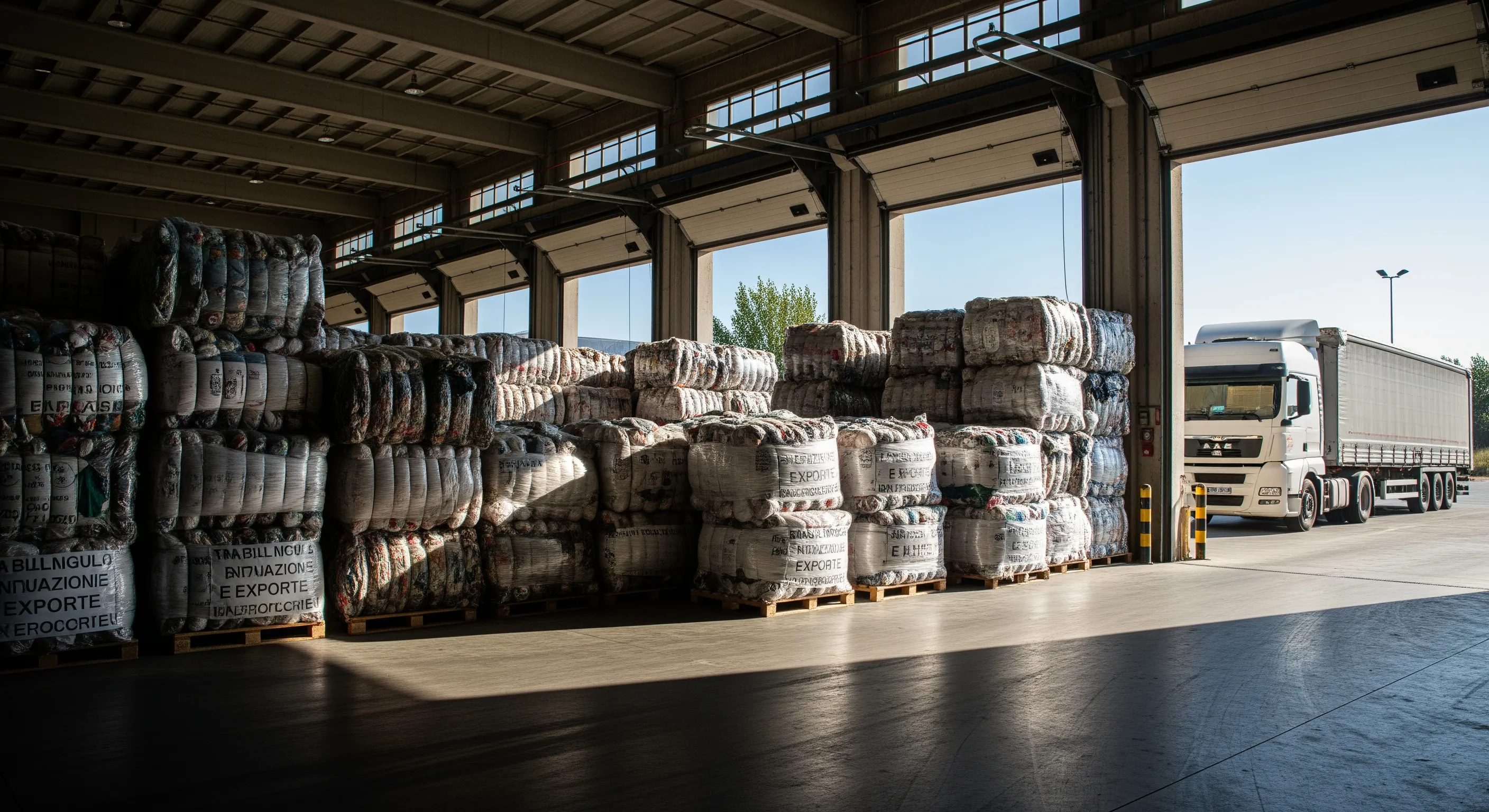
Pro tip: Employ regular audits of your quality control process to detect any areas for improvement.
Risk Mitigation in Wholesale Clothing
In the wholesale clothing sector, risks can stem from various sources including fluctuating market trends and supply chain disruptions. Developing a strong risk management plan is vital for sustainable operations. This includes evaluating potential risks and implementing strategies to mitigate them.
A thorough understanding of the potential causes—such as changes in consumer preferences or shipping delays—paired with effective mitigation measures can lead to more resilient business practices.
| Practical Risk | Cause | Mitigation |
|---|---|---|
| Market Fluctuation | Shifts in fashion trends | Diversify inventory to appeal to broader audiences |
| Supply Chain Disruption | Logistical delays | Establish multiple logistics partners |
| Quality Issues | Poor inspection practices | Implement strict QC processes |
| Regulatory Compliance | Changing regulations | Stay updated on regulations and compliance guidelines |
Export Documents and Customs Compliance
Understanding export documentation and customs compliance is crucial for wholesale second-hand clothing transactions. Trade buyers must ensure that all necessary paperwork, such as invoices and certificates of origin, are correctly prepared and submitted.
Failure to comply with customs regulations can result in delays and financial penalties. Engaging with skilled logistics partners who are knowledgeable about export regulations can simplify this complexity and streamline processes.
Pro tip: Maintain a checklist of required documents for different export destinations.
Unlock Reliable EU Stock and Faster Reorders with Italy Branded Wholesale Supply
For trade buyers who need consistent branded mixes, transparent grading, and export-ready paperwork, explore Italy Secondhand at italysecondhand.com. If you want a quick recommendation based on volumes, target category, and delivery country, contact the team here: Contact Us.
Frequently Asked Questions
What is the minimum order quantity for wholesale second-hand clothing?
The minimum order quantity typically starts at 100 kg for bulk orders.
How can I ensure quality in second-hand clothing?
Implementing rigorous quality control measures and conducting regular inspections can ensure quality.
What are the common risks in wholesale clothing?
Common risks include market fluctuations, supply chain disruptions, and compliance issues.
How important is documentation for export?
Proper documentation is crucial for smooth customs clearance and avoiding delays.