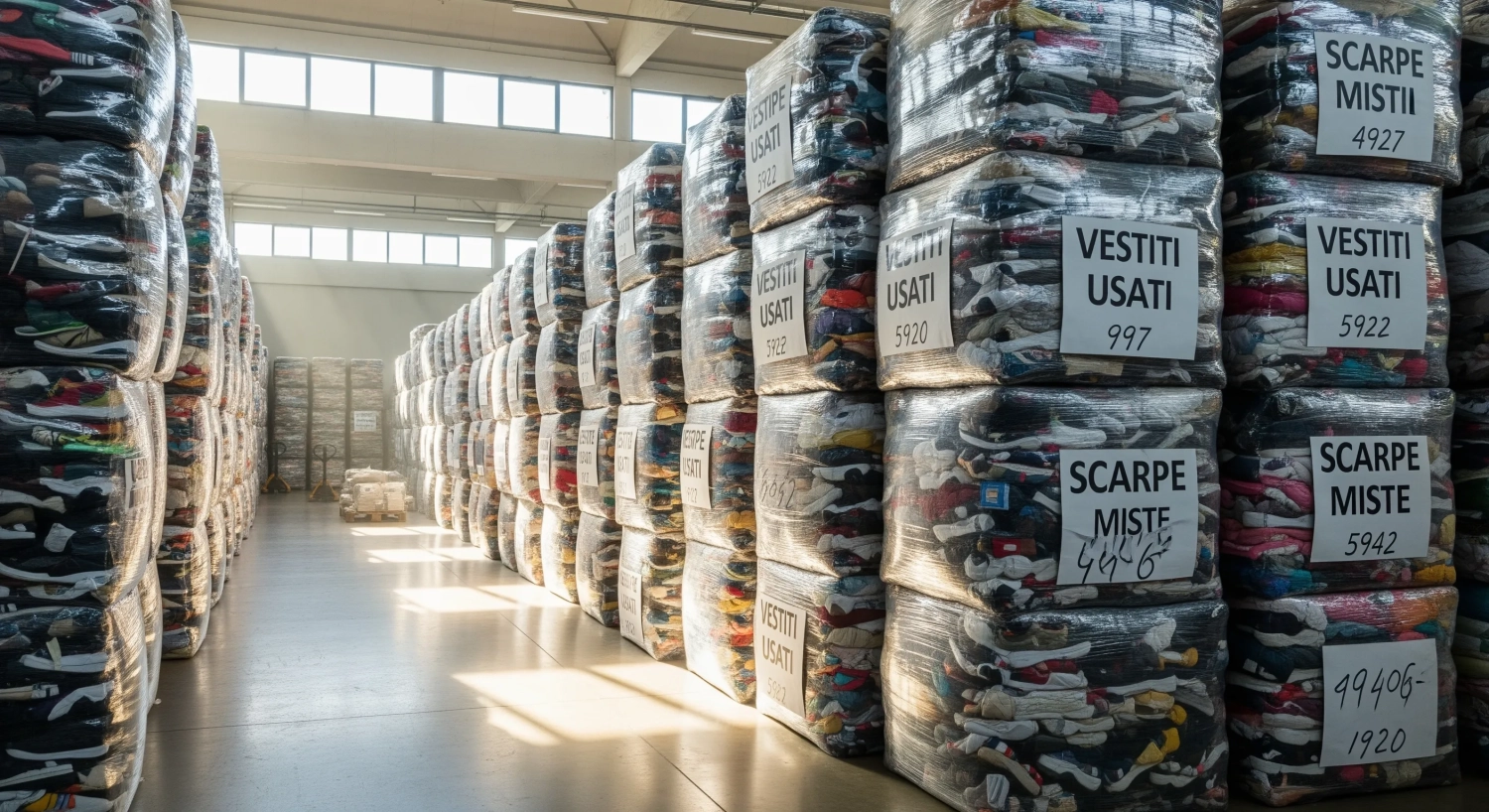
As a B2B buyer seeking quality second hand clothes and shoes wholesale, Italy offers a unique opportunity to access premium products in bulk. With an emphasis on transparency and quality control, trade buyers can purchase branded clothing mixes tailored to their specific business needs. By leveraging Italy's rich textile history and export-ready logistics, resellers across Europe can meet the growing demand for sustainable fashion while maximizing their profit margins.
Table of Contents
- Understanding Second Hand Market Dynamics
- Italy Supplier Advantages for Wholesale Buyers
- Ethical Considerations in Second Hand Trade
- Logistics and Export Guidelines
- Environmental Impact and Sustainability
- Mitigating Risks in Wholesale Purchasing
Key Takeaways
| Key Aspect | Details |
|---|---|
| Minimum Order Quantity (MOQ) | Understand the MOQ policies for different suppliers to ensure cost-effectiveness. |
| Grading Standards | Familiarize yourself with grading standards to assess product quality effectively. |
| Logistics | Ensure smooth logistics from Italy to your destination, covering customs and documentation needs. |
| Risk Control | Implement strategies to mitigate risks associated with bulk purchasing. |
Understanding Second Hand Market Dynamics
The second-hand clothing market has seen an unprecedented rise in demand, largely driven by sustainability trends and changing consumer habits. In particular, Generation Z demonstrates a keen interest in sustainable shopping practices, with their preferences influencing retail landscapes significantly. Research highlights that younger consumers are particularly receptive to brands that emphasize sustainability and quality when purchasing second-hand items, as discussed in the study on Generation Z and Their Sustainable Shopping Behavior.
Furthermore, trade buyers can leverage the vintage appeal of second-hand clothing which is no longer merely a niche but a mainstream choice. This shift presents opportunities for wholesale resellers to cater to diverse markets, from budget-conscious consumers to high-end fashion aficionados.
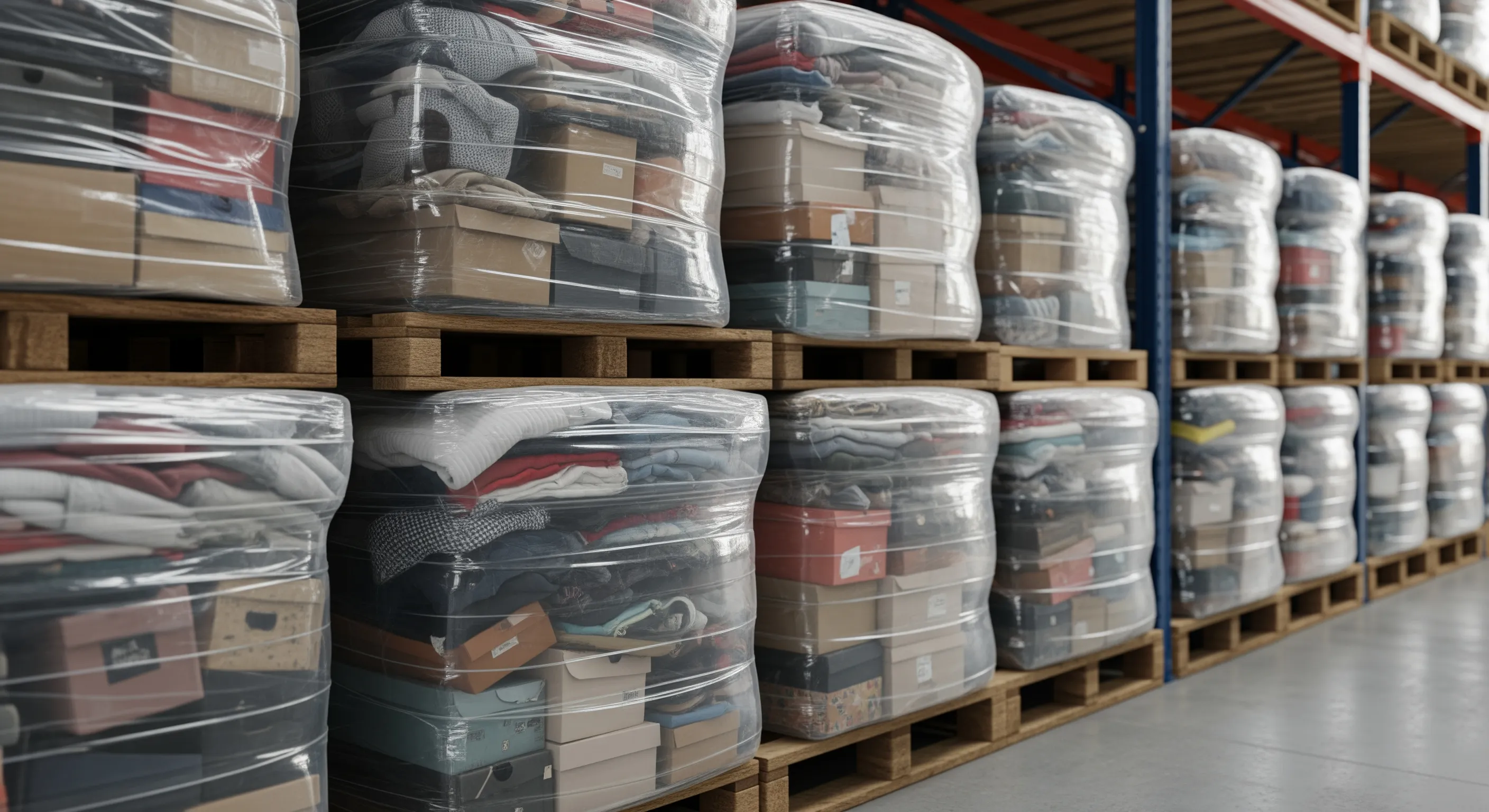
Pro tip: Understanding local market trends can give you an edge in sourcing products that resonate with your target audience.
Italy Supplier Advantages for Wholesale Buyers
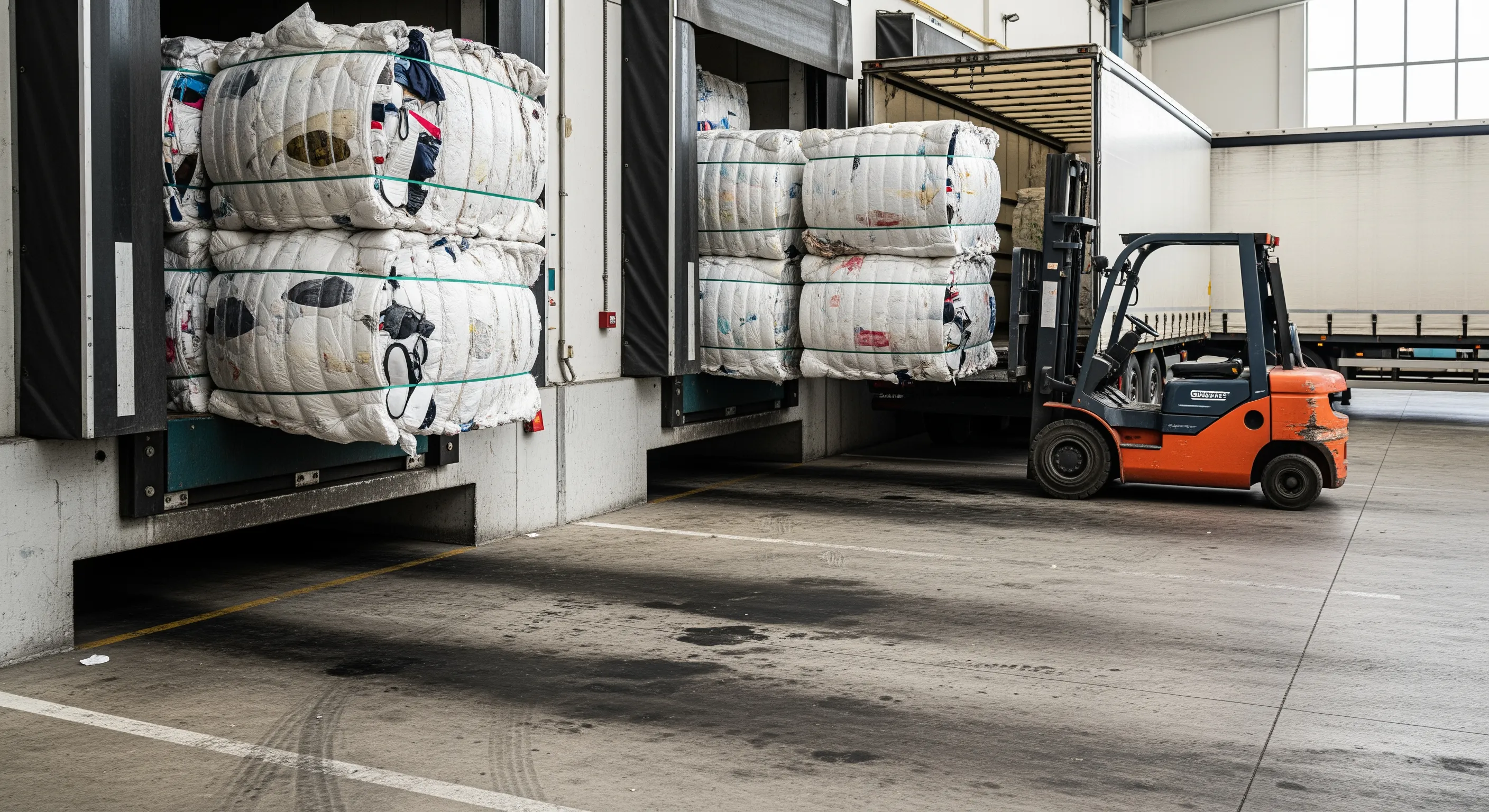
Italy’s long-standing tradition in textile manufacturing offers a unique advantage for B2B buyers in the wholesale second-hand market. Suppliers are known for their rigorous sorting processes and quality checks that ensure only the best pieces pass through to customers. With transparency in lot presentation, Italy Secondhand eliminates the uncertainty associated with 'blind bags' commonly found in other markets.
This clear visibility into the product range allows buyers to select items that align directly with their business goals, be it focusing on premium branded items or diversifying their inventory with vintage pieces. The Italian approach provides a competitive edge to resellers looking to distinguish themselves in the marketplace.
Pro tip: Building strong relationships with suppliers can lead to better deals and exclusive inventories.
Ethical Considerations in Second Hand Trade
As the second-hand clothing market expands, ethical considerations gain prominence. This includes understanding the implications of importing second-hand goods, which vary greatly across regions. Import regulations and ethical sourcing practices are critical for maintaining compliance and brand reputation in the global marketplace. A study on Ethicality in International Markets sheds light on the complexities of these challenges.
For wholesalers, balancing these ethical considerations with business objectives is essential. This means not only sourcing responsibly but also ensuring that the products align with the values of consumers, who are increasingly aware of ethical consumption.
Pro tip: Conducting due diligence on suppliers can mitigate risks associated with ethical sourcing.
Logistics and Export Guidelines
Navigating the logistics of importing second-hand clothing from Italy requires keen attention to detail. Ensuring compliance with customs regulations is vital to prevent delays and unexpected costs. B2B buyers should familiarize themselves with export guidelines and the required documentation for smooth operations. According to the Circular Economy Perspectives report, understanding these protocols can greatly benefit importers.
For trade buyers, establishing a reliable transport system can optimize inventory turnover and minimize costs. This includes selecting partners that are experienced in handling bulk shipments and can provide the necessary paperwork for customs clearance.
Pro tip: Utilizing technology for tracking shipments can enhance logistical efficiency.
Environmental Impact and Sustainability
The environmental impact of the textile industry remains a pressing concern, with growing recognition of second-hand clothing as a sustainable alternative. Reports indicate that the average consumer in the EU has significantly increased their clothing purchases over the past few decades, with a corresponding rise in environmental waste. According to the EU Parliament study, this trend underscores the importance of circular economy practices.
Wholesale buyers should focus on sustainability as a key selling point in their marketing strategies. By emphasizing the eco-friendly nature of second-hand clothing, resellers can attract consumers who are increasingly motivated by environmental responsibility.
Pro tip: Highlighting sustainability initiatives can enhance brand loyalty.
Mitigating Risks in Wholesale Purchasing
Effective risk management is essential in wholesale purchasing. Issues such as poor product quality, shipping delays, and compliance violations can significantly impact a business’s bottom line. As per useful data on Destinations of Dutch Used Textiles, understanding the landscape of used clothing destinations can aid in risk assessment.
By implementing structured risk control measures, trade buyers can protect their investments and optimize operational efficiency across their supply chain. This might include developing a systematic evaluation process for potential suppliers to ensure quality and reliability.
| Risk Type | Cause | Mitigation Strategy |
|---|---|---|
| Quality Issues | Inconsistent grading standards | Work with trusted suppliers who adhere to strict grading practices. |
| Shipping Delays | Poor logistics management | Establish strong communication with logistics partners to ensure timely deliveries. |
| Compliance Violations | Regulatory changes | Regularly review and update knowledge on import regulations. |
| Supply Chain Disruptions | Global events | Diversify your supplier base to mitigate risks. |
Unlock Reliable EU Stock and Faster Reorders with Italy Branded Wholesale Supply
For trade buyers who need consistent branded mixes, transparent grading, and export-ready paperwork, explore Italy Secondhand at italysecondhand.com. If you want a quick recommendation based on volumes, target category, and delivery country, contact the team here: Contact Us.
Frequently Asked Questions
What should I consider when buying second-hand clothes in bulk?
Focus on the supplier’s grading standards, the quality of goods, and import logistics.
How can I ensure quality in the second-hand clothing I sell?
Work with reliable suppliers who meet strict grading and quality assurance processes.
What are the benefits of buying from Italy?
Italy is renowned for its reputable suppliers, quality control, and diverse inventory.
How do I manage logistics when importing second-hand clothes?
Partner with experienced logistics providers and understand customs regulations.