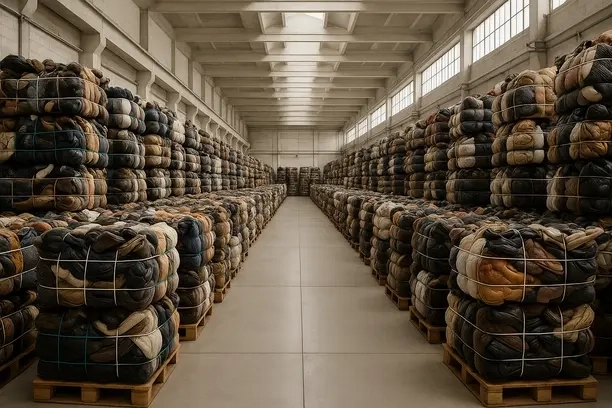
As a trade buyer looking for second hand shoes wholesale in Italy, quality and value are paramount. The wholesale market provides B2B buyers with unique vintage options that cater to diverse clientele across Europe. Italy Secondhand specializes in offering branded mixes of second-hand shoes, providing an opportunity for wholesalers, resellers, and store owners to benefit from sustainable and attractive footwear options. Our transparent inventory and in-house quality control ensure that buyers can confidently select products that meet their expectations.
Table of Contents
- What is Second Hand Shoes Wholesale?
- Benefits of Importing Second Hand Shoes
- How to Source Second Hand Shoes
- Sustainability in Second Hand Footwear
- Risk Management in Shoe Importation
- Regulatory Considerations for Footwear Imports
Key Takeaways
| Aspect | Details |
|---|---|
| Minimum Order Quantity (MOQ) | MOQ typically ranges depending on the supplier; inquire for specific quantities. |
| Grading Standards | Products are graded based on condition; ensure to verify grading before purchase. |
| Logistics | Export logistics are crucial; ensure proper shipping documentation for smooth transit. |
| Risk Control | Understand potential risks involved in sourcing; establish clear communication with suppliers. |
What is Second Hand Shoes Wholesale?
Second hand shoes wholesale refers to the bulk purchasing of used or vintage footwear that has been sourced, sorted, and prepared for resale. This model allows businesses to acquire diverse stock at competitive prices while promoting sustainability through the reuse of goods. According to research on supply chain movement in the sneaker industry, the demand for quality second-hand footwear has grown significantly, making this a viable market for wholesalers.
The wholesale purchase process often involves buying bales or selected lots, which are then resold to retailers or resellers looking for unique inventory options. Transparency in this process is crucial, as many buyers are particularly concerned about the quality of the product they are receiving.
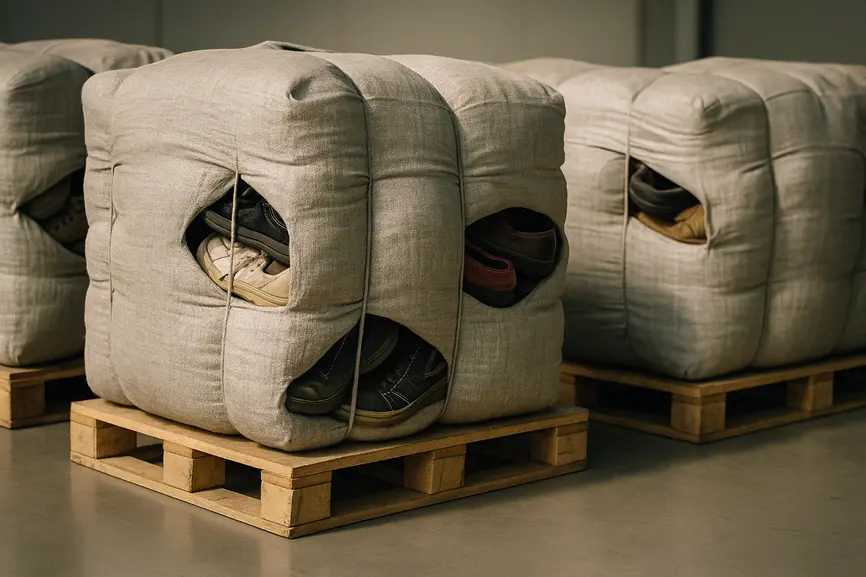
Pro tip: Always request samples before purchasing a large shipment to assess quality firsthand.
Benefits of Importing Second Hand Shoes
Importing second hand shoes offers multiple benefits for businesses, particularly in terms of cost savings and unique inventory options. Wholesale buyers can tap into niche markets by offering vintage and branded footwear that appeals to environmentally conscious consumers.
The transformation of marketplace forms in the shoe sector has also created a more competitive landscape, with second-hand options often being more affordable compared to new products. This enables retailers to attract a wider range of customers.
Pro tip: Focus on understanding local market demand for specific styles to optimize inventory selections.
How to Source Second Hand Shoes
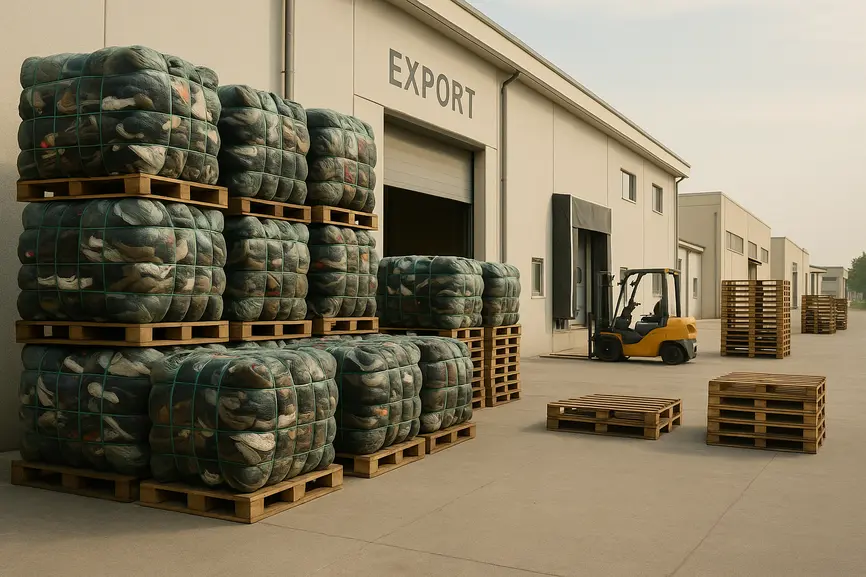
Finding reliable sources for second hand shoes wholesale is essential for maintaining quality and consistency. Consider networking with established suppliers and visiting facilities to understand their operations. At Italy Secondhand, we provide a transparent sourcing process where buyers can inspect available lots.
Additionally, wholesalers can attend trade shows or industry events to connect with suppliers and evaluate various offerings. Utilizing online resources and platforms can also aid in finding reputable suppliers.
Pro tip: Maintain a list of trustworthy suppliers to streamline future purchasing decisions.
Sustainability in Second Hand Footwear
Sourcing second hand footwear plays a significant role in promoting sustainability. The entire process of reusing goods contributes to reducing waste and carbon footprints associated with manufacturing new items.
The World Bank estimates significant economic activity surrounding the second-hand industry, indicating a growing trend towards sustainability favored by consumers.
Pro tip: Highlight the eco-friendly aspect of second-hand options in your marketing strategies to attract more consumers.
Risk Management in Shoe Importation
In any wholesale business, risk management is crucial, especially in the importation of second hand shoes. Understanding market dynamics and logistics can help mitigate potential challenges that may arise.
According to findings from a LCA-based assessment, issues such as data reporting inadequacies can pose challenges in tracking goods. Establish clear logistics channels and maintain open communication with suppliers to manage these risks effectively.
| Risk | Cause | Mitigation |
|---|---|---|
| Supplier Reliability | Inconsistent quality or delivery | Establish performance criteria |
| Regulatory Compliance | Changes in regulations | Stay updated on local laws |
| Logistics Hurdles | Delays in shipping | Work with experienced logistics partners |
| Market Demand Fluctuations | Shifting consumer preferences | Conduct regular market research |
Regulatory Considerations for Footwear Imports
When importing second hand shoes, it’s critical to navigate the regulatory landscape effectively. Buyers should be aware of EU regulations related to second-hand goods and ensure compliance to avoid penalties.
Additionally, the European Commission outlines guidelines for the proper importation of second-hand products, emphasizing the importance of quality control and accurate labeling.
Pro tip: Always have the necessary documentation ready for customs clearance to avoid delays in delivery.
Unlock Reliable EU Stock and Faster Reorders with Italy Branded Wholesale Supply
For trade buyers who need consistent branded mixes, transparent grading, and export-ready paperwork, explore Italy Secondhand at italysecondhand.com. If you want a quick recommendation based on volumes, target category, and delivery country, contact the team here: Contact Us.
Frequently Asked Questions
What is the MOQ for second hand shoes?
Minimum Order Quantity varies by supplier; it’s essential to confirm before placing an order.
How are the shoes graded?
Shoes are graded based on their condition, ranging from like-new to heavily used.
What documentation is required for importing?
Documentation typically includes customs invoices, quality certificates, and shipping details.
Can I customize my order?
Customization options may be available; check with your supplier for specifics.