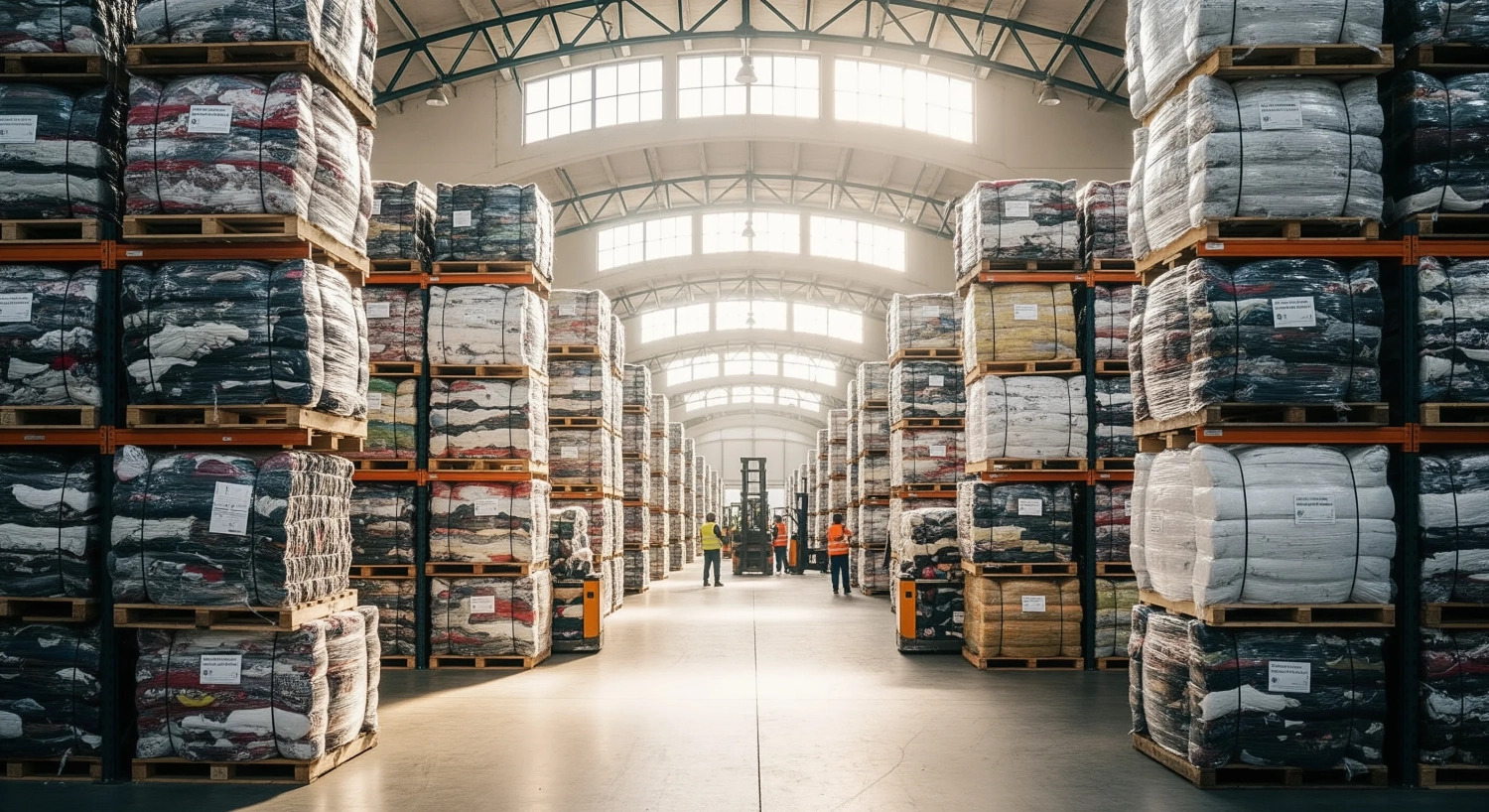
As a trade buyer looking to diversify your offerings with quality second-hand garments, understanding the landscape of wholesale second-hand clothing in Italy is essential. Offering branded, high-quality apparel in bulk has gained traction among businesses in Europe, thanks to factors like sustainability, cost-effectiveness, and the uniqueness of vintage items. If you're in search of ingrosso abbigliamento usato crema, you can benefit from Italy's extensive networks for sourcing premium second-hand clothing mixes.
Table of Contents
- About Wholesale Second-Hand Clothing
- Importance of Sourcing Quality Clothing
- Understanding Logistics and Shipping
- Export Requirements for Bulk Apparel
- Mitigating Risks in Second-Hand Imports
- Best Practices for Connecting with Suppliers
Key Takeaways
| Aspect | Details |
|---|---|
| MOQ | Minimum order quantities often depend on the supplier; typical bulk orders range from 200 kg to 1000 kg. |
| Grading | Grading of clothing is crucial. Suppliers should offer transparent grading systems for better quality assurance. |
| Logistics | Efficient logistics solutions facilitate quick turnaround; suppliers should ideally assist with transport planning. |
| Risk Control | Implement risk control strategies, such as reviewing past customer feedback to mitigate potential losses. |
About Wholesale Second-Hand Clothing
Wholesale second-hand clothing, particularly in the context of ingrosso abbigliamento usato crema, involves sourcing bulk lots of second-hand garments primarily for resale purposes. This business model appeals to various B2B buyers across Europe, including retailers, resellers, and exports. The quality and value of used apparel can be significant, making it a lucrative option for those in the fashion trading sector.
Italy Secondhand specializes in offering a range of vintage and branded clothing mixes sorted in-house, allowing for transparency and quality assurance. With a focus on sustainability and unique offerings, second-hand clothing provides businesses with a competitive edge.
Importance of Sourcing Quality Clothing
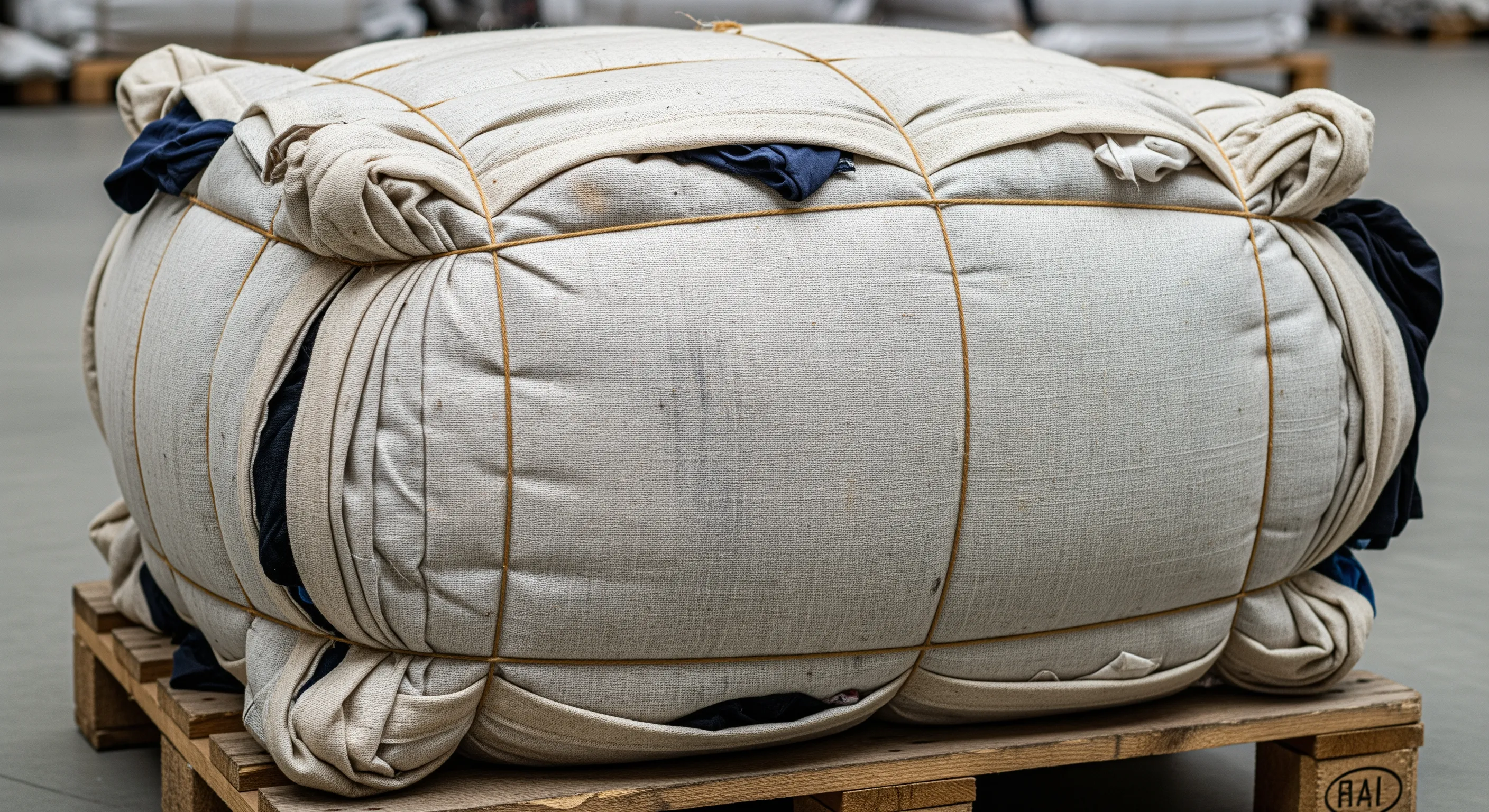
Quality sourcing remains a priority for trade buyers to ensure customer satisfaction and repeat business. When sourcing second-hand clothing, it is vital to rely on suppliers who adhere to strict sorting and quality control protocols. Maintaining a clear grading system allows buyers to make informed decisions and avoid pitfalls associated with poor-quality purchases.
Moreover, working with established suppliers can aid in maintaining consistent stock levels, which is essential for those looking to offer specific collections. Understanding trends and consumer preferences can also guide your purchasing decisions, helping your business stay ahead of the competition.
Understanding Logistics and Shipping
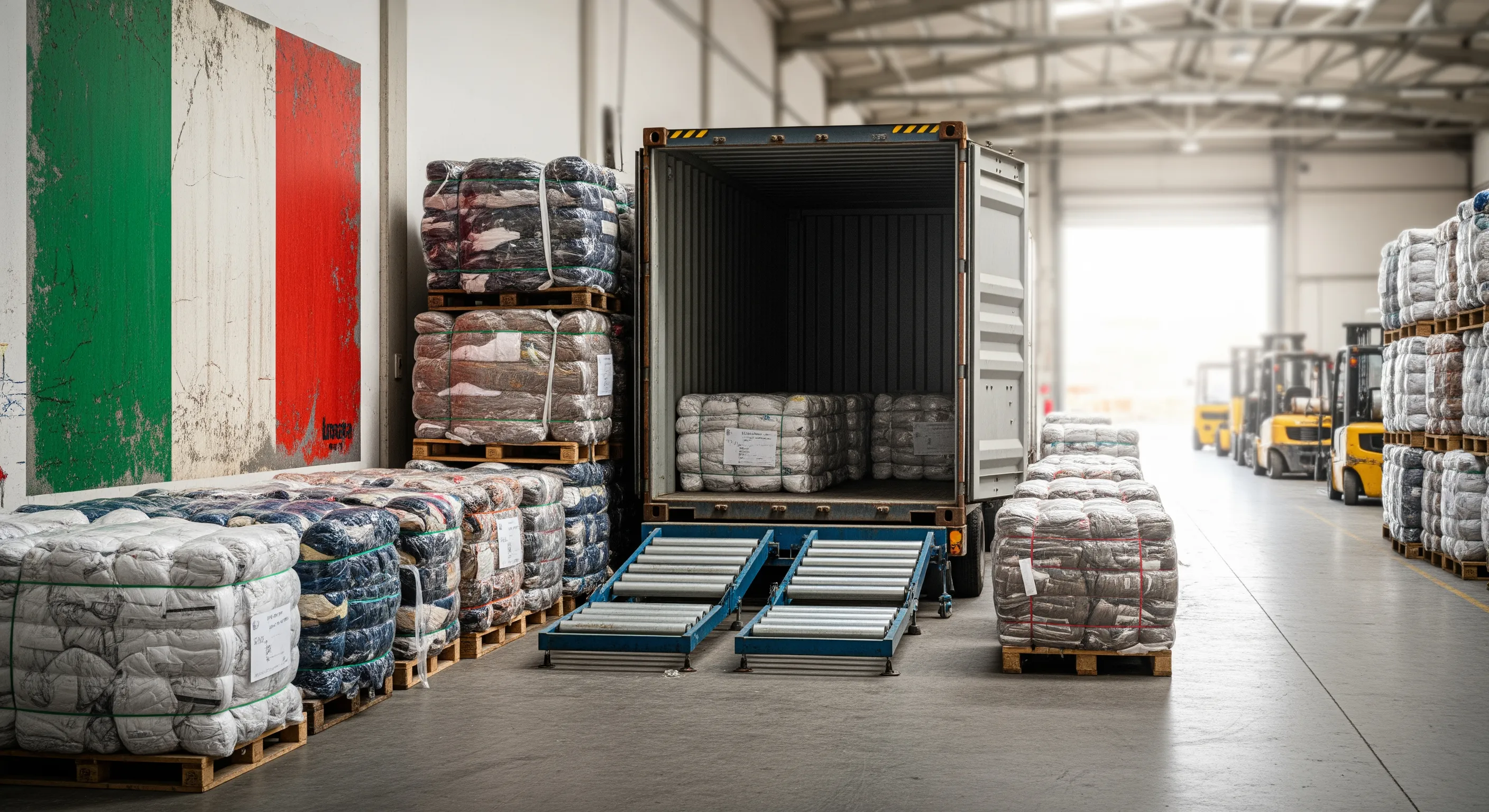
Effective logistics and shipping solutions are crucial for maximizing efficiency in your wholesale clothing business. Understanding the logistics involved in importing second-hand clothing from Italy can save you time and reduce costs. It is advisable to collaborate with suppliers who offer robust export logistics, ensuring that all bales are well-documented and ready for customs.
Additionally, you should establish good communication with your shipping partners. A streamlined shipping process that includes timely deliveries will enhance your service quality, enabling you to maintain strong relationships with your clients in various European markets.
Export Requirements for Bulk Apparel
Exporting bulk apparel from Italy requires adherence to specific regulations and documentation. Buyers need to ensure compliance with customs procedures, which involve providing appropriate invoices and customs documentation. Familiarity with the relevant laws governing bulk apparel will not only facilitate smoother transactions but also minimize delays.
Engaging with suppliers who are versed in export documentation can simplify the process considerably. Make sure to verify the proper classifications of goods to avoid any legal complications during import.
Mitigating Risks in Second-Hand Imports
Entering the second-hand clothing market carries inherent risks, given the nature of used apparel. Implementing risk control strategies is essential to protect your investment. Buyers should perform due diligence when sourcing products and verify suppliers to ensure they have a reputation for providing quality goods.
Establishing a clear understanding of return policies and warranties with suppliers can also help in mitigating risks associated with defective items. A proactive approach in identifying issues beforehand can safeguard your business from potential losses.
| Practical Risk | Cause | Mitigation |
|---|---|---|
| Defective Goods | Inadequate quality checks by the supplier. | Implement a return policy and inspect shipments on arrival. |
| Delayed Shipping | Logistical complications. | Require detailed shipping timelines from suppliers. |
| Miscommunication | Language barriers. | Utilize clear contract terms and consider hiring a translator. |
| Customs Issues | Incorrect documentation. | Consult with logistics experts for proper documentation. |
Best Practices for Connecting with Suppliers
Building strong relationships with suppliers is pivotal for successful wholesale operations. Engage with suppliers through direct visits or video calls to establish trust and open lines of communication. Being proactive and transparent about your needs can lead to better service and sourcing opportunities.
Additionally, joining industry groups or forums centered on second-hand clothing can provide insights into reputable suppliers and emerging trends. Networking within these communities can lead to advantageous partnerships that can benefit your business.
Unlock Reliable EU Stock and Faster Reorders with Italy Branded Wholesale Supply
For trade buyers who need consistent branded mixes, transparent grading, and export-ready paperwork, explore Italy Secondhand at italysecondhand.com. If you want a quick recommendation based on volumes, target category, and delivery country, contact the team here: Contact Us.
Frequently Asked Questions
What are the benefits of sourcing second-hand clothing?
Sourcing second-hand clothing can lead to higher profit margins and unique offerings that attract eco-conscious consumers.
How do I ensure the quality of second-hand clothing?
Choose suppliers with a solid reputation for quality control and transparent grading systems.
What logistics should I consider for importing bulk clothing?
Evaluate shipping times, costs, and the supplier's ability to handle customs documentation.
How can I mitigate risks when working with suppliers?
Establish clear return policies and conduct thorough research on suppliers before engagement.